









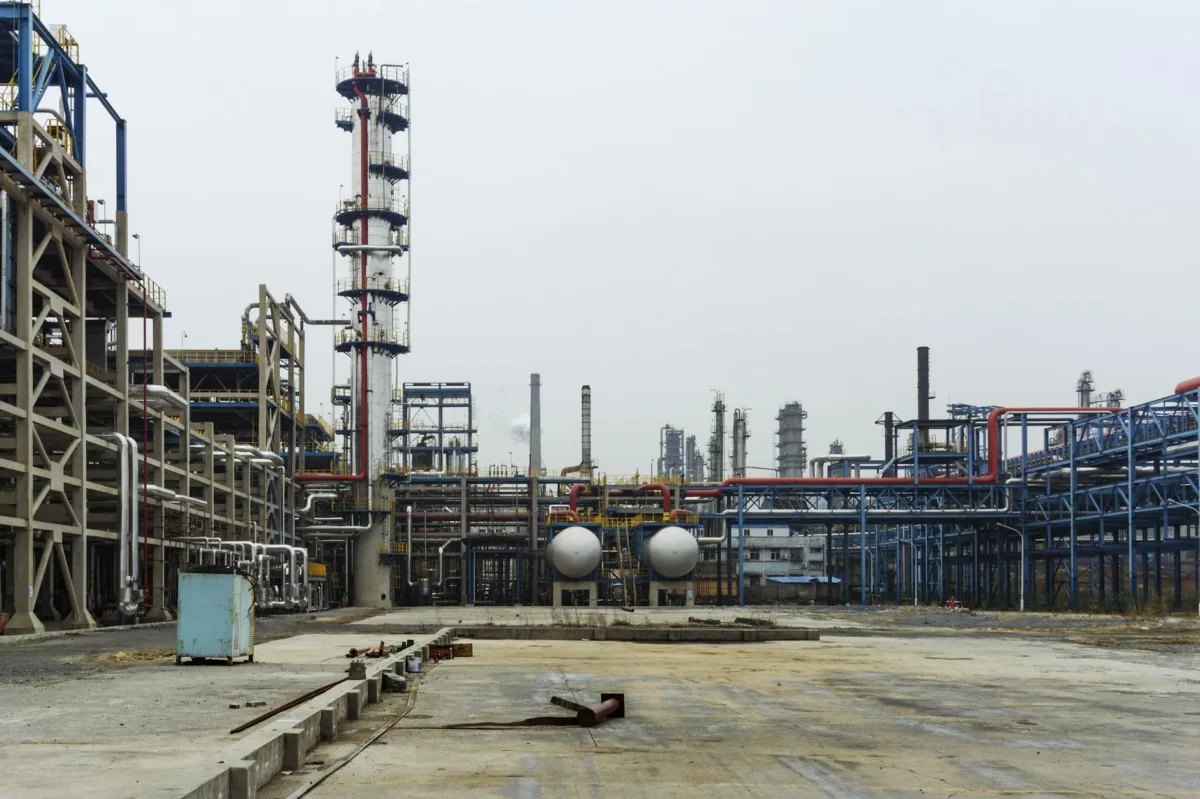
Global crude oil prices retreated from early session highs on Monday as reports emerged that both Iran and Israel have signaled a pause in direct hostilities, a development coinciding with public calls from U.S. President-elect Donald Trump for an immediate cessation of regional military actions. The sudden shift in geopolitical temperature occurred after a weekend of heightened volatility, which had initially pushed Brent and WTI benchmarks upward by more than $2 per barrel due to fears of supply chain disruptions in the Middle East.
Context of the Regional Volatility
The recent surge in energy markets was driven by fears that the long-standing shadow war between Tehran and Tel Aviv was evolving into a direct, large-scale conflict. Historically, any escalation in the Middle East—a region responsible for roughly a third of the world’s oil supply—triggers immediate risk premiums in commodity trading desks globally.
Market participants have been particularly sensitive to threats regarding the Strait of Hormuz, a critical maritime chokepoint through which approximately 20% of global petroleum liquids pass. When reports of Israel’s strikes on Lebanon and subsequent retaliatory rhetoric surfaced, traders priced in the potential for a significant supply shock, forcing the rapid appreciation of crude futures in early Asian trading.
The Impact of Diplomatic Intervention
The narrative shifted abruptly when reports surfaced that both nations were stepping back from the brink of broader engagement. The influence of external diplomatic pressure, specifically comments from President-elect Trump demanding an end to the “shooting,” provided a focal point for market stabilization.
Financial analysts note that while the physical flow of oil has not yet been interrupted, the psychological impact of the de-escalation has significantly reduced the “fear premium” built into current contracts. By mid-day, the gains seen in the wake of the initial strikes had been largely erased as investors weighed the likelihood of a sustained diplomatic cooling-off period.
Expert Perspectives and Data Analysis
Energy analysts at major brokerage firms have cautioned that while the immediate risk of a regional conflagration has diminished, the underlying geopolitical fragility remains. According to data from the International Energy Agency (IEA), global oil markets remain delicately balanced, meaning even minor disruptions in logistical routes can lead to disproportionate price swings.
“The market is currently trading on headlines rather than fundamentals,” noted one senior energy strategist. “Investors are wary of overextending their positions because the geopolitical situation in the Levant is fluid, and a reversal in rhetoric could trigger another wave of buying overnight.”
Implications for the Global Energy Market
For consumers and industrial stakeholders, this price volatility serves as a reminder of the energy sector’s vulnerability to political instability. A sustained rise in oil prices would likely exacerbate inflationary pressures globally, complicating the efforts of central banks attempting to manage interest rate policies.
Businesses that rely heavily on fuel costs are advised to maintain robust hedging strategies to mitigate exposure to sudden price spikes. While the current de-escalation offers a temporary reprieve, the market remains highly sensitive to any shift in the stance of the primary regional players.
Looking ahead, traders are closely monitoring intelligence reports for signs of renewed military activity or potential diplomatic breakthroughs. The focus will now shift to upcoming OPEC+ policy discussions and any further statements from international mediators, which will serve as the primary indicators for whether the current stability in oil prices can be maintained through the end of the quarter.