

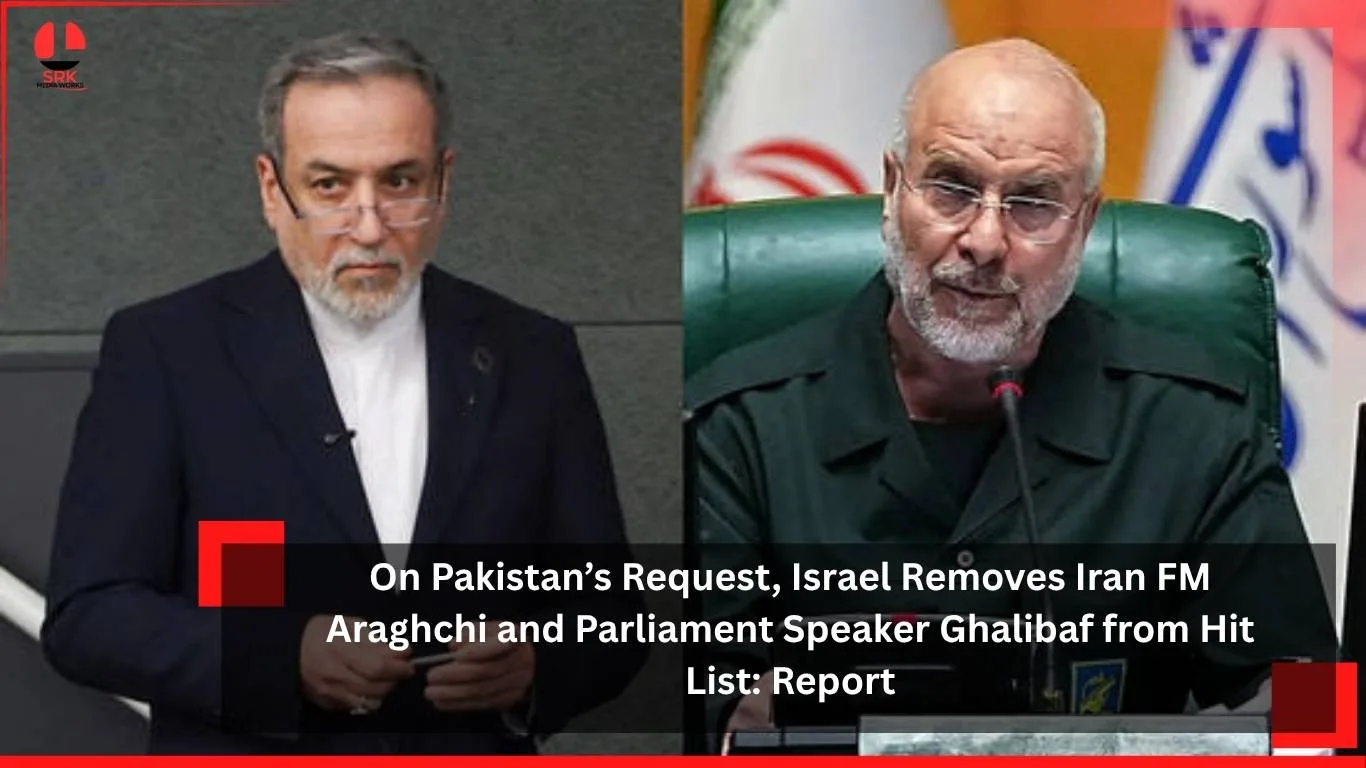
In a surprising diplomatic twist, reports suggest that Israel has removed Iranian Foreign Minister Abbas Araghchi and Parliament Speaker Mohammad Bagher Ghalibaf from its alleged “hit list” following a request from Pakistan. This development highlights the complex interplay of regional diplomacy, covert operations, and shifting alliances in the Middle East and South Asia.
Background of the Report
The alleged “hit list” reportedly contained names of high-ranking Iranian officials considered targets due to Tehran’s regional policies and its support for groups hostile to Israel. However, Pakistan’s intervention—seen as an attempt to de-escalate tensions—has reportedly led to the removal of Araghchi and Ghalibaf from the list.
This move underscores Pakistan’s growing role as a mediator in Middle Eastern affairs, balancing its ties with Iran, Israel, and other regional powers.
Key Figures Involved
- Abbas Araghchi: Iran’s Foreign Minister, known for his role in nuclear negotiations and diplomacy.
- Mohammad Bagher Ghalibaf: Speaker of Iran’s Parliament, influential in shaping domestic and foreign policy.
- Pakistan’s Role: Islamabad’s request is seen as a diplomatic effort to prevent escalation and maintain regional stability.
- Israel’s Position: While Israel has not officially confirmed the existence of such a list, reports suggest strategic recalibration in response to Pakistan’s outreach.
Comparative Analysis of Diplomatic Moves
| Actor | Action Taken | Strategic Goal |
|---|---|---|
| Israel | Removal of Iranian officials from list | Reduce tensions, recalibrate strategy |
| Pakistan | Requested removal | Position as mediator, regional stability |
| Iran | Maintains cautious stance | Avoid escalation, preserve sovereignty |
| Global Community | Observes developments | Concern over regional security |
Pivot Analysis: Diplomacy vs Security Strategy
| Diplomatic Initiative | Security Concern Addressed | Expected Outcome |
|---|---|---|
| Pakistan’s mediation | Prevent targeting of Iranian leaders | Reduced risk of escalation |
| Israel’s recalibration | Strategic shift in covert operations | Potential diplomatic opening |
| Iran’s cautious response | Protect leadership integrity | Maintain sovereignty and deterrence |
| Regional dialogue | Balance competing interests | Strengthened multilateral engagement |
Implications for Regional Politics
- Pakistan’s Rising Influence: By intervening, Pakistan positions itself as a key player in Middle Eastern diplomacy.
- Israel’s Strategic Shift: Removal of names may signal openness to indirect dialogue or reduced confrontation.
- Iran’s Calculated Response: Tehran is likely to interpret this as both a relief and a reminder of its vulnerability.
- Global Reactions: International observers may view this as a rare moment of de-escalation in a volatile region.
Challenges Ahead
- Verification: The lack of official confirmation raises questions about the credibility of reports.
- Sustaining Diplomacy: Pakistan must balance its mediation role with domestic and regional pressures.
- Security Risks: Even if names are removed, broader tensions between Israel and Iran remain unresolved.
- Public Perception: Both Iran and Israel must manage narratives to avoid appearing weak or compromised.
Historical Context
Israel and Iran have long been adversaries, with tensions escalating over nuclear programs, proxy conflicts, and regional influence. Pakistan’s involvement adds a new dimension, reflecting its strategic interest in maintaining stability while avoiding direct confrontation with either side.
Conclusion
The reported removal of Iranian Foreign Minister Abbas Araghchi and Parliament Speaker Mohammad Bagher Ghalibaf from Israel’s alleged hit list, following Pakistan’s request, marks a significant diplomatic development. While the credibility of such reports remains debated, the incident highlights the importance of mediation, regional diplomacy, and strategic recalibration in preventing escalation.
Disclaimer
This article is based on publicly available reports and expert commentary. It does not represent official confirmation from governments or intelligence agencies. Readers should interpret the content as journalistic analysis, recognizing that geopolitical developments are fluid and subject to change.