

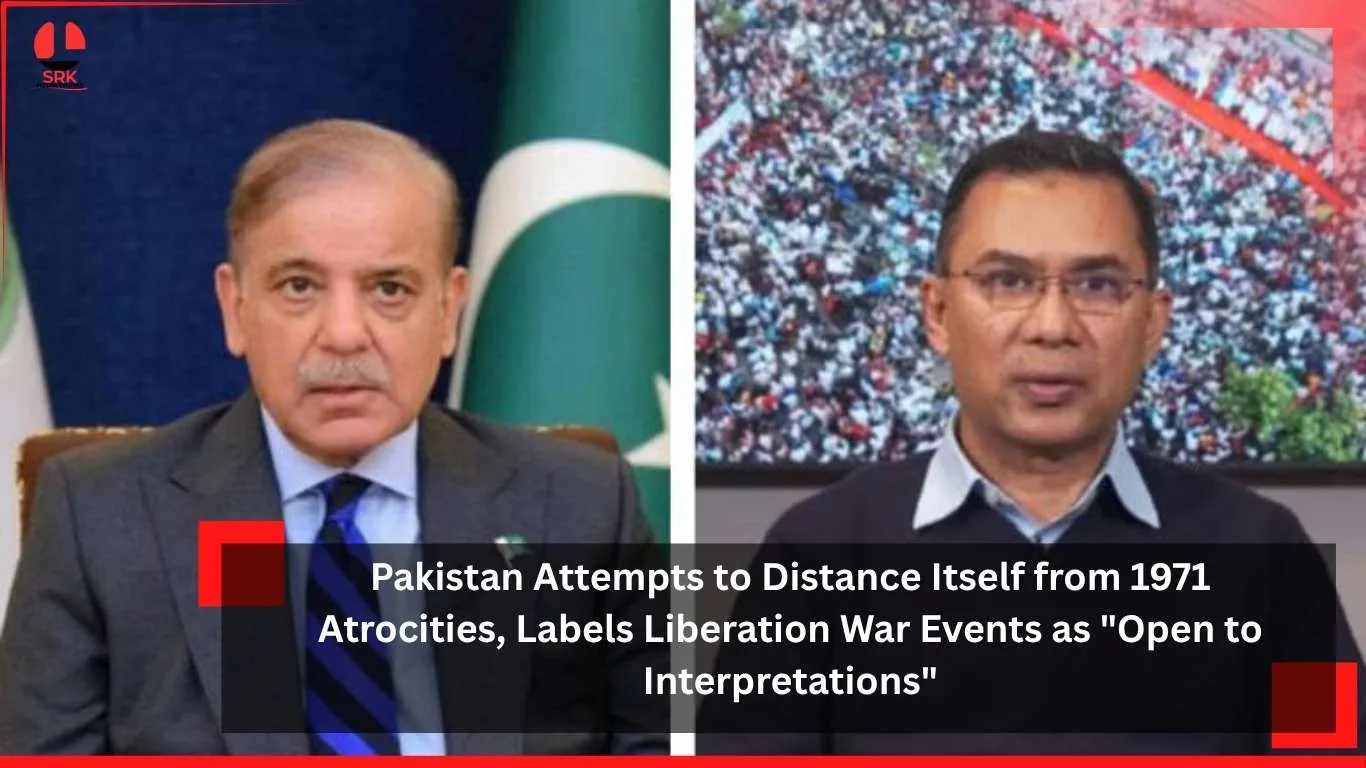
The 1971 Liberation War, which led to the independence of Bangladesh, remains one of the most sensitive and contested chapters in South Asian history. Recently, Pakistan has attempted to distance itself from accusations of genocide during that period, suggesting that the events are “open to interpretations.” This statement has reignited debates across political, academic, and diplomatic circles, drawing sharp reactions from Bangladesh and international observers.
Historical Context of the 1971 Liberation War
The Liberation War of 1971 was a nine-month-long conflict that culminated in the independence of Bangladesh from Pakistan. Sparked by political disenfranchisement, cultural suppression, and economic disparity, the war saw widespread violence, mass displacement, and allegations of systematic atrocities committed by the Pakistani military.
- Casualties: Estimates suggest that between 300,000 and 3 million people were killed.
- Displacement: Around 10 million refugees fled to India.
- Atrocities: Reports include mass killings, sexual violence, and targeted persecution of intellectuals.
Bangladesh commemorates the war as a struggle for freedom and identity, while Pakistan has historically downplayed the scale of violence.
Pakistan’s Recent Statement
Pakistan’s recent assertion that the events of 1971 are “open to interpretations” has been perceived as an attempt to wash its hands of responsibility. This narrative shift raises questions about accountability, historical memory, and reconciliation in South Asia.
Key Points of Pakistan’s Position:
- Denial of genocide terminology.
- Framing the war as a civil conflict rather than a liberation struggle.
- Suggesting that casualty figures are exaggerated.
- Emphasizing the role of international politics in shaping narratives.
Bangladesh’s Response
Bangladesh has consistently maintained that the atrocities committed during 1971 amounted to genocide. The country observes Genocide Remembrance Day annually on March 25, honoring the victims of Operation Searchlight, a brutal crackdown by the Pakistani military.
Bangladeshi leaders and historians argue that Pakistan’s refusal to acknowledge its role hinders reconciliation and undermines justice for survivors.
International Perspectives
The global community remains divided on formally recognizing the 1971 atrocities as genocide. While several scholars and human rights organizations support Bangladesh’s stance, geopolitical considerations have often muted official recognition.
Comparative Recognition:
| Country/Organization | Position on 1971 Atrocities |
|---|---|
| Bangladesh | Recognized as genocide |
| Pakistan | Denies genocide, calls it civil war |
| India | Supports Bangladesh’s narrative |
| UN | No formal recognition |
| Human Rights Groups | Many classify as genocide |
Political and Diplomatic Implications
Pakistan’s statement has significant implications for regional diplomacy. It affects bilateral relations with Bangladesh, influences South Asian geopolitics, and shapes international perceptions of historical accountability.
Impacts:
- Bangladesh-Pakistan Relations: Strained further by denial.
- India’s Role: India, having supported Bangladesh’s independence, continues to highlight Pakistan’s actions.
- Global Diplomacy: Pakistan’s stance may affect its credibility in human rights discussions.
Academic Debate: History vs. Interpretation
Historians argue that while interpretations of history are inevitable, denial of documented atrocities undermines truth. Archival evidence, survivor testimonies, and international reports strongly support the genocide narrative.
Pivot Analysis of Narratives:
| Narrative | Focus | Implication |
|---|---|---|
| Bangladesh | Genocide, liberation, victimhood | Strengthens national identity |
| Pakistan | Civil war, political unrest | Avoids accountability |
| International Scholars | Genocide debate, evidence-based | Pushes for recognition |
Survivors’ Voices
Survivors of the 1971 war continue to demand recognition and justice. Many recount harrowing experiences of violence, displacement, and trauma. Their testimonies serve as living evidence against denial.
The Role of Memory and Justice
The struggle over the 1971 narrative is not just about history—it is about justice, memory, and reconciliation. Denial risks erasing the suffering of millions and obstructs healing between nations.
Conclusion
Pakistan’s attempt to frame the 1971 Liberation War as “open to interpretations” is seen by many as a denial of genocide. This stance complicates regional diplomacy, undermines survivors’ justice, and challenges historical truth. As Bangladesh continues to honor its martyrs and victims, the debate over recognition and accountability remains central to South Asian politics.
Disclaimer
This article is intended for informational and analytical purposes only. It does not represent the official stance of any government or institution. The content is based on historical records, scholarly debates, and public statements. Readers are encouraged to consult multiple sources for a comprehensive understanding of the 1971 Liberation War.