

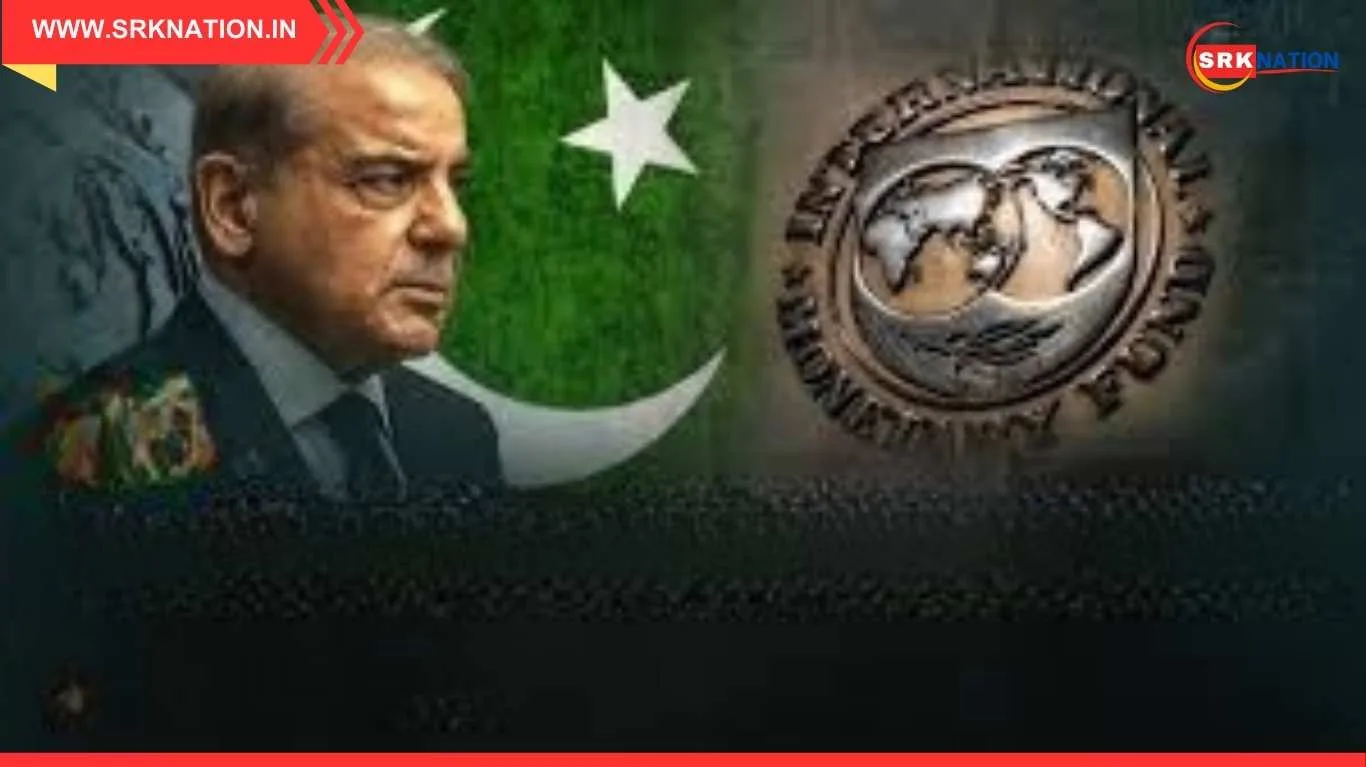
In a significant development for Pakistan’s struggling economy, the International Monetary Fund (IMF) has approved the release of a $1.2 billion tranche under its ongoing support program. The IMF cited Pakistan’s recent economic progress, fiscal adjustments, and commitment to reforms as the primary reasons for the disbursement. This funding is expected to provide much-needed relief to Pakistan’s foreign reserves, stabilize its currency, and support its broader economic recovery efforts.
Key Highlights
- IMF approves $1.2 billion tranche for Pakistan.
- Funding aimed at stabilizing reserves and supporting reforms.
- IMF cites economic progress and fiscal discipline as reasons.
- Pakistan faces challenges of inflation, debt, and currency volatility.
- Political and public debates intensify over reliance on IMF programs.
Background of IMF’s Support to Pakistan
Pakistan has long relied on IMF programs to stabilize its economy during crises. The current Extended Fund Facility (EFF) was initiated to address structural weaknesses, improve fiscal management, and support growth. Over the past few years, Pakistan has faced mounting debt, high inflation, and dwindling foreign reserves.
The IMF’s latest approval comes after Pakistan implemented key reforms, including subsidy rationalization, tax collection improvements, and monetary tightening. These measures, though painful for citizens, were deemed necessary to restore macroeconomic stability.
Statistical Overview of Pakistan’s IMF Program
| Year | IMF Tranche Approved (USD Billion) | Key Reform Condition | Economic Impact |
|---|---|---|---|
| 2019 | 1.0 | Fiscal consolidation | Stabilized reserves temporarily |
| 2021 | 0.5 | Energy subsidy cuts | Inflationary pressures |
| 2023 | 1.1 | Tax reforms | Boosted revenue collection |
| 2024 | 0.8 | Monetary tightening | Controlled currency depreciation |
| 2025 | 1.2 | Fiscal discipline, reforms | Strengthened reserves |
Impact of IMF Tranche
| Factor | Impact on Pakistan | Impact on IMF | Impact on Global Economy |
|---|---|---|---|
| Foreign reserves | Strengthens reserves, stabilizes rupee | Ensures program credibility | Reduces risk of regional instability |
| Fiscal discipline | Encourages reforms, reduces deficits | Validates IMF’s conditionality | Sets precedent for other nations |
| Public sentiment | Mixed reactions, protests over austerity | Reinforces IMF’s tough stance | Sparks debate on global lending practices |
| Long-term outlook | Provides temporary relief | Strengthens IMF’s role | Highlights challenges of debt sustainability |
Why This Tranche Matters
- Economic Stability: Pakistan’s reserves had fallen to precarious levels, making the tranche critical for stability.
- Currency Support: The funding helps stabilize the Pakistani rupee against the US dollar.
- Debt Management: Provides breathing space for Pakistan to manage external debt obligations.
- Global Confidence: Signals to investors and global partners that Pakistan is committed to reforms.
Expert Views
Economists argue that while IMF funding provides short-term relief, Pakistan must focus on structural reforms to achieve long-term stability. They highlight the need for industrial growth, export diversification, and reduced reliance on external borrowing. Critics warn that repeated IMF bailouts reflect deeper systemic issues that remain unresolved.
Public and Political Reactions
The approval has sparked mixed reactions in Pakistan. Government officials hailed it as a sign of international confidence in Pakistan’s progress. Opposition leaders, however, criticized the reliance on IMF, arguing that austerity measures hurt ordinary citizens. Public sentiment remains divided, with many expressing frustration over rising inflation and reduced subsidies.
Historical Context
Pakistan’s relationship with the IMF dates back decades, with multiple bailout programs over the years. While IMF support has often stabilized the economy temporarily, long-term challenges such as low productivity, weak exports, and governance issues have persisted. The latest tranche continues this cycle of reliance and reform.
Extended Analysis
The IMF’s approval reflects broader themes in global economics:
- Debt Sustainability: Many developing nations face similar challenges of debt and reliance on external funding.
- Global Lending Practices: IMF’s conditionality often sparks debates about sovereignty and austerity.
- Economic Reforms: Structural reforms remain critical for long-term stability.
- Regional Stability: Pakistan’s economic health has implications for South Asia’s stability.
For Pakistan, the tranche provides immediate relief but underscores the need for deeper reforms. For the IMF, it reinforces its role as a global lender of last resort. For the world, it highlights the challenges of balancing support with sustainability.
Conclusion
The IMF’s approval of a $1.2 billion tranche for Pakistan marks a crucial moment in the country’s economic journey. While the funding provides short-term relief and stabilizes reserves, the long-term challenge lies in implementing reforms that reduce reliance on external bailouts. As Pakistan navigates inflation, debt, and political pressures, the IMF’s support offers hope but also demands accountability.
Disclaimer
This article is based on publicly available economic updates, expert commentary, and political reactions. It is intended for informational and editorial purposes only, offering insights into the IMF’s approval of funding for Pakistan and its implications for the country’s economy.