


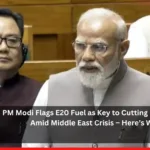
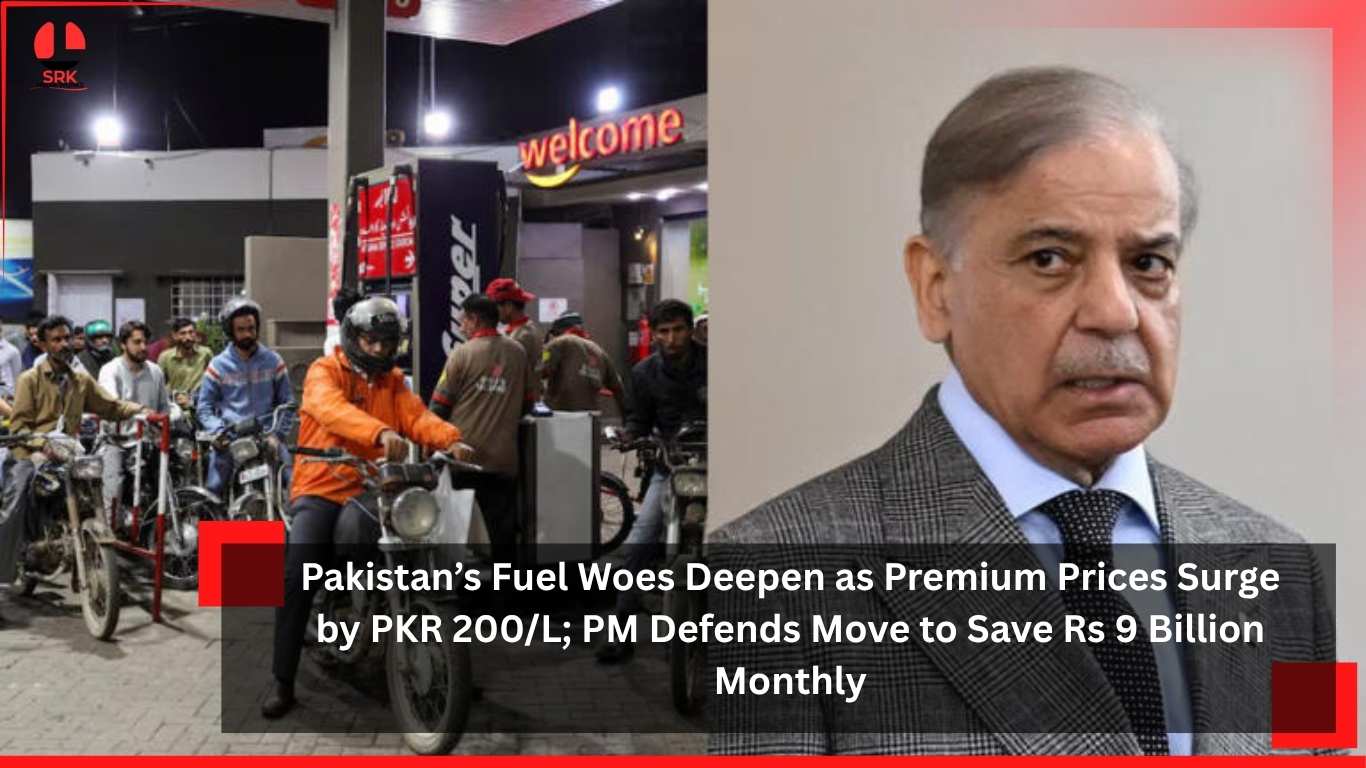
Pakistan is grappling with intensifying fuel woes as the government announced a sharp increase in premium fuel prices, raising rates by PKR 200 per liter. Prime Minister Shehbaz Sharif defended the controversial decision, stating that the move is necessary to save Rs 9 billion per month, a figure he described as critical for stabilizing the country’s fragile economy.
Background of Pakistan’s Fuel Crisis
Pakistan’s energy sector has long been plagued by inefficiencies, rising import costs, and dependency on global oil markets. The country imports a significant portion of its fuel, making it vulnerable to international price fluctuations. With dwindling foreign reserves and mounting debt obligations, the government has been forced to take drastic steps to manage its fiscal deficit.
Fuel subsidies have historically burdened the national budget, and the latest hike is seen as part of a broader effort to reduce government expenditure while meeting International Monetary Fund (IMF) conditions for financial support.
The Decision to Raise Premium Fuel Prices
The government’s announcement shocked consumers and analysts alike. Premium fuel, often used by high-end vehicles and transport fleets, saw an unprecedented increase of PKR 200 per liter.
Key points of the decision include:
- Immediate implementation across all fuel stations nationwide.
- Projected savings of Rs 9 billion monthly for the government.
- Reduction in subsidies to ease fiscal pressure.
- Alignment with IMF requirements for economic reforms.
Prime Minister’s Justification
Prime Minister Shehbaz Sharif emphasized that the decision was not taken lightly. He argued that the savings generated would be redirected toward essential sectors such as healthcare, education, and infrastructure.
He stated:
- “This is a sacrifice worth making to secure Pakistan’s economic future.”
- “The government cannot continue to bleed resources on subsidies that benefit only a small segment of society.”
Public Reaction
The announcement triggered widespread debate. While some citizens acknowledged the need for fiscal discipline, many expressed frustration at the rising cost of living.
- Middle-class families fear the ripple effect on transportation and food prices.
- Transport operators warn of fare hikes that will burden commuters.
- Business leaders worry about reduced consumer spending power.
Comparative Fuel Price Trends
| Month | Regular Fuel Price (PKR/L) | Premium Fuel Price (PKR/L) | Change (%) |
|---|---|---|---|
| Jan 2026 | 250 | 280 | – |
| Feb 2026 | 260 | 290 | +3.5% |
| Mar 2026 | 270 | 300 | +3.4% |
| Mar 2026 (Post-Hike) | 270 | 500 | +66.7% |
Economic Implications
Analysts warn that the hike could have both positive and negative consequences:
Positive:
- Reduction in government expenditure.
- Improved fiscal balance.
- Potential strengthening of foreign reserves.
Negative:
- Inflationary pressures on essential goods.
- Increased transportation costs.
- Decline in consumer purchasing power.
Sector-Wise Impact Analysis
| Sector | Impact of Fuel Price Hike |
|---|---|
| Transportation | Higher fares, reduced affordability |
| Agriculture | Increased cost of machinery operation |
| Industry | Rising production costs |
| Retail | Inflation passed on to consumers |
| Government | Savings of Rs 9 billion monthly |
Analysts’ Perspectives
Economic analysts remain divided:
- Supporters argue the move is necessary to meet IMF conditions and stabilize the economy.
- Critics warn that the burden on citizens could spark unrest and slow economic recovery.
Public Sentiment Breakdown
| Sentiment | Percentage |
|---|---|
| Support for government’s decision | 25% |
| Opposition due to rising costs | 55% |
| Neutral/Wait-and-see approach | 20% |
Long-Term Outlook
The government hopes that the savings will help reduce reliance on external loans and strengthen Pakistan’s economic resilience. However, the success of this policy depends on whether inflation can be controlled and whether citizens can adapt to the new reality.
Conclusion
Pakistan’s decision to raise premium fuel prices by PKR 200 per liter marks a turning point in its economic strategy. While the government insists the move is essential to save Rs 9 billion monthly, the public remains deeply concerned about the impact on daily life. The coming months will reveal whether this bold step leads to economic stability or further hardship for ordinary citizens.
Disclaimer
This article is based on publicly available information and analytical perspectives. It does not claim to provide verified government data or official financial records. Readers are encouraged to follow updates from credible authorities for confirmed details. The content is intended for informational and discussion purposes only.