





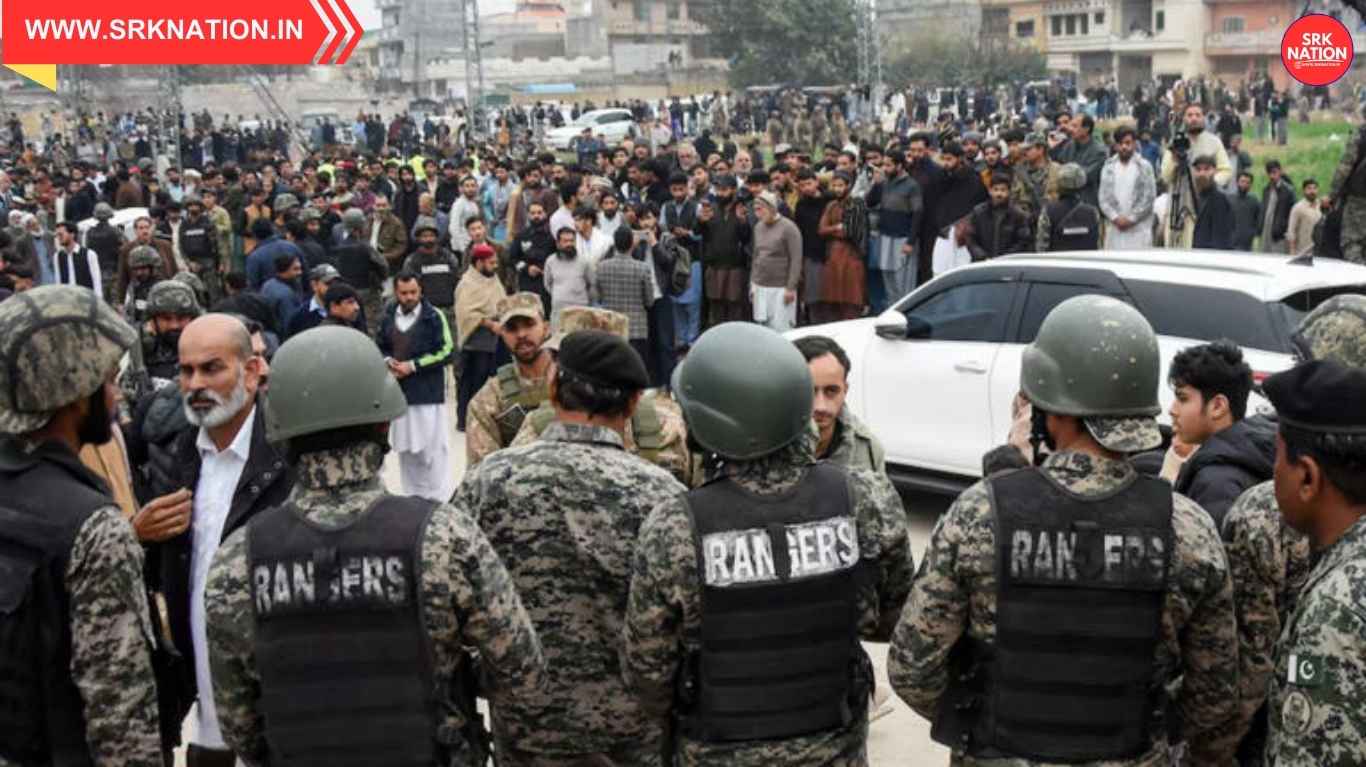
In a dramatic shift of narrative, Pakistan has altered its stance on the recent fidayeen attack, first blaming India and later claiming that Afghanistan’s Taliban were behind the assault. This sharp U-turn has raised questions about Islamabad’s credibility, regional diplomacy, and the broader implications for South Asian security.
Initial Accusation Against India
Immediately after the attack, Pakistani officials pointed fingers at India, alleging that New Delhi was orchestrating cross-border terrorism to destabilize Pakistan.
- Political Context: The accusation aligned with Pakistan’s long-standing narrative of Indian involvement in its internal security challenges.
- Media Coverage: Local media amplified the claim, fueling public sentiment against India.
- Diplomatic Fallout: India strongly rejected the allegations, calling them baseless and politically motivated.
The Sudden U-Turn
Days later, Pakistan’s narrative shifted dramatically. Officials announced that intelligence reports suggested the involvement of Afghanistan’s Taliban in the attack.
- New Claim: The attackers were linked to Taliban factions operating across the Afghan border.
- Reason for Shift: Analysts suggest Pakistan faced international pressure to provide credible evidence before blaming India.
- Impact: The change in narrative has created confusion and raised doubts about Pakistan’s intelligence assessments.
Regional Security Implications
The incident underscores the fragile security environment in South Asia.
- India-Pakistan Relations: The initial blame worsened tensions, though the U-turn may ease immediate diplomatic strain.
- Afghanistan-Pakistan Relations: Islamabad’s claim against the Taliban could strain ties with Kabul, complicating border management.
- Global Concerns: International observers worry about escalating instability in the region.
Comparative Analysis of Narratives
| Stage of Narrative | Pakistan’s Claim | Regional Reaction | Global Perception |
|---|---|---|---|
| Initial | India behind attack | India rejected strongly | Seen as politically motivated |
| Revised | Taliban responsible | Afghanistan likely to deny | Raises doubts about Pakistan’s credibility |
Possible Motivations Behind the Shift
- Domestic Politics: Blaming India initially may have been aimed at rallying public opinion.
- International Pressure: Global powers demanded evidence, forcing Pakistan to reconsider.
- Intelligence Gaps: Conflicting reports may have led to inconsistent conclusions.
- Strategic Calculations: Pakistan may be balancing relations with India and Afghanistan.
Impact on Diplomatic Relations
- India: Continues to demand accountability and transparency from Pakistan.
- Afghanistan: Likely to reject accusations, stressing sovereignty.
- China and US: Both nations are monitoring developments closely, given their strategic interests in the region.
Security and Military Implications
| Country | Security Concern | Likely Response |
|---|---|---|
| Pakistan | Cross-border infiltration | Increased military presence at Afghan border |
| India | False accusations | Diplomatic rebuttals, global outreach |
| Afghanistan | Taliban allegations | Political denial, possible counter-statements |
Long-Term Outlook
The fidayeen attack and Pakistan’s shifting narrative highlight the complex geopolitics of South Asia. The incident may:
- Intensify mistrust between India and Pakistan.
- Strain Pakistan’s relations with Afghanistan.
- Invite global scrutiny of Pakistan’s counter-terrorism policies.
- Force regional powers to reassess security cooperation.
Disclaimer
This article is a journalistic analysis based on publicly available information. It does not represent political, legal, or security advice. Readers are encouraged to consult official government statements and expert commentary before drawing conclusions about the incident.