

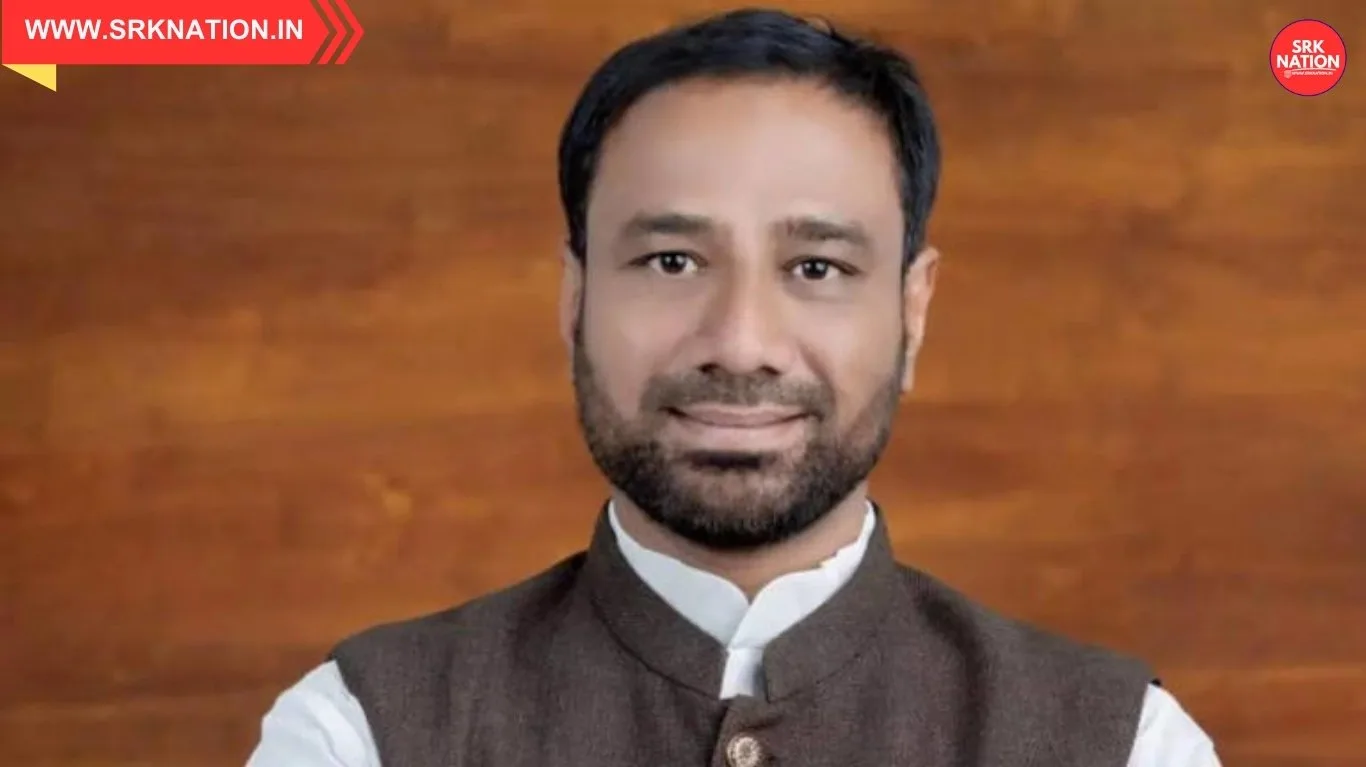
The recent selection of the mayor in Parbhani has sparked significant political debate, with many observers describing it as a “reward” for the strong support extended by Muslim voters to the Uddhav Balasaheb Thackeray (UBT) faction. This development highlights the intricate interplay of community support, coalition politics, and local governance in Maharashtra’s political landscape.
Background
Parbhani, a key city in Maharashtra’s Marathwada region, has long been a politically sensitive area where community representation plays a crucial role. The mayoral election in the Parbhani Municipal Corporation has become a focal point of discussion, as the UBT faction’s choice is seen as a direct acknowledgment of the Muslim community’s electoral backing.
- UBT Strategy: The faction has been consolidating support among minority communities to strengthen its urban base.
- Muslim Voter Influence: In Parbhani, Muslim voters form a significant portion of the electorate, making their support decisive.
- Political Messaging: The mayoral pick is being interpreted as a symbolic gesture of gratitude and recognition.
Political Significance
The decision carries weight beyond Parbhani, as it reflects broader trends in Maharashtra politics:
- Community Outreach: UBT’s move signals its intent to deepen ties with minority communities.
- Electoral Strategy: By rewarding loyal voter bases, the faction aims to secure long-term political dividends.
- Regional Impact: The choice could influence upcoming municipal and assembly elections in Marathwada.
Comparative Analysis of Mayoral Picks in Maharashtra
| City | Party in Power | Community Representation | Political Message |
|---|---|---|---|
| Parbhani | UBT | Muslim | Reward for support |
| Aurangabad | AIMIM | Muslim | Assertion of local influence |
| Pune | BJP | Mixed | Focus on urban development |
| Mumbai | Shiv Sena (UBT/BJP split) | Varied | Symbol of coalition politics |
UBT Strategy vs Community Support
| Category | UBT Approach | Community Response | Strategic Impact |
|---|---|---|---|
| Minority Outreach | Strong focus | Positive support | Consolidation of votes |
| Symbolic Gestures | Mayor pick | Seen as recognition | Strengthened trust |
| Electoral Gains | Targeted | Likely increase | Boost in urban constituencies |
| Opposition Reaction | Criticism | Mixed | Polarization in politics |
Reactions from Stakeholders
- UBT Leaders: They have hailed the mayoral selection as a step toward inclusive governance.
- Muslim Community Representatives: Many view it as overdue recognition of their electoral strength.
- Opposition Parties: Critics argue that the move is purely political, aimed at vote-bank consolidation rather than genuine representation.
- Local Citizens: Reactions are mixed, with some welcoming the decision and others questioning its long-term impact on governance.
Governance Challenges
While the mayoral pick carries symbolic importance, the real test lies in governance:
- Urban Development: Parbhani faces challenges in infrastructure, sanitation, and housing.
- Resource Allocation: Ensuring equitable distribution of municipal resources will be crucial.
- Community Balance: The mayor must balance diverse community interests while delivering effective governance.
- Political Stability: Coalition dynamics could affect decision-making in the municipal corporation.
Broader Implications
The Parbhani mayoral decision is emblematic of larger trends in Indian politics:
- Identity Politics: Community-based representation continues to shape electoral strategies.
- Symbolism in Governance: Political parties increasingly use symbolic gestures to consolidate support.
- Regional Ripple Effect: Decisions in one city often influence political narratives across the state.
- National Context: Minority outreach strategies are becoming central to party politics across India.
Future Outlook
Analysts predict that the Parbhani mayoral pick could have ripple effects in upcoming elections:
- Strengthened UBT Base: Minority communities may rally further behind the faction.
- Opposition Counter-Strategy: Rival parties may intensify efforts to woo other communities.
- Urban Politics Shift: Symbolic representation could become a recurring theme in municipal governance.
- Electoral Polarization: The move may deepen divides but also energize voter participation.
Conclusion
The selection of Parbhani’s mayor, described as a “reward for Muslims’ support to UBT,” underscores the deep interconnection between community backing and political decision-making. While the move strengthens UBT’s ties with minority voters, its ultimate success will depend on governance outcomes and the ability to deliver tangible improvements in citizens’ lives.
Disclaimer
This article is based on political developments and interpretations of electoral strategies. It is intended for informational purposes only and does not represent official positions of political parties or government institutions. Political dynamics are subject to change, and interpretations may vary depending on evolving circumstances.