
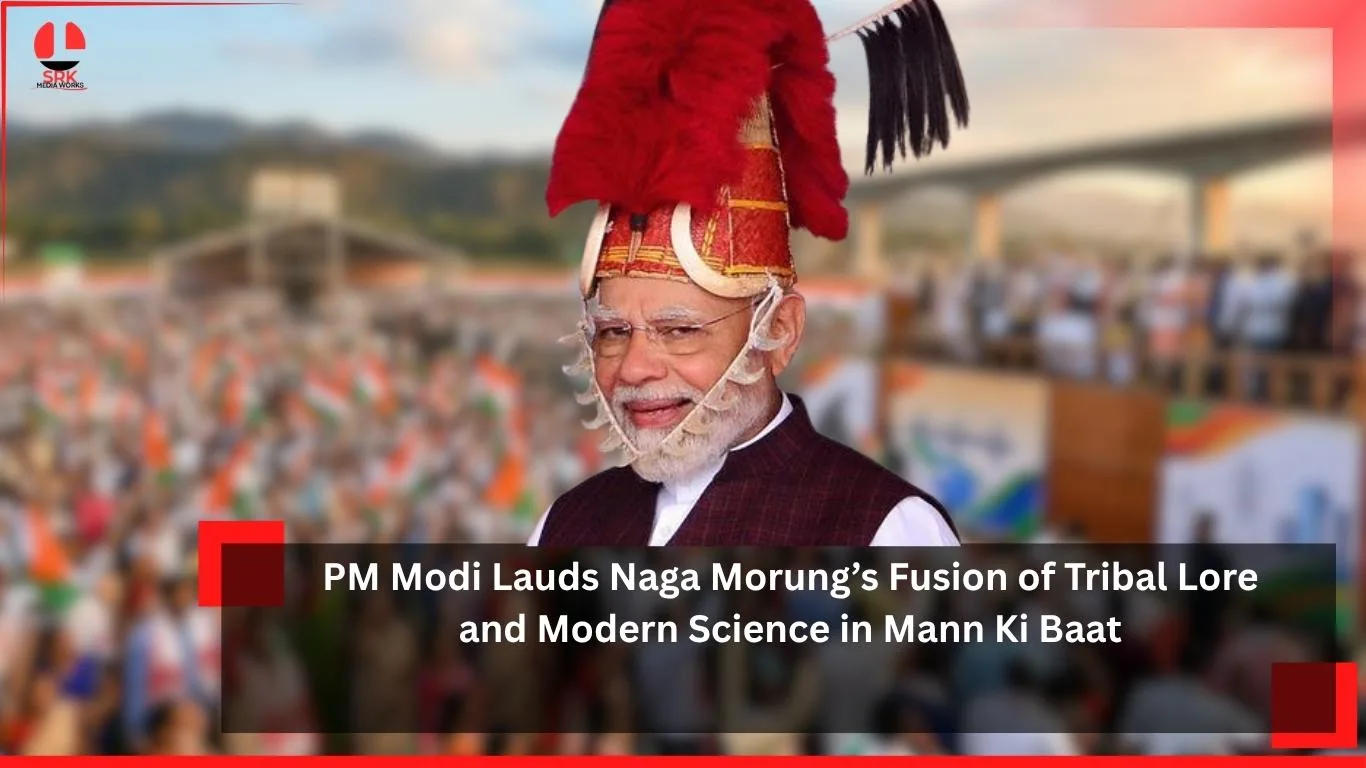
Prime Minister Narendra Modi, in his latest Mann Ki Baat address, praised the unique initiative of the Naga Morung, which blends traditional tribal wisdom with modern scientific approaches. He highlighted how this cultural and intellectual fusion represents India’s strength in preserving heritage while embracing innovation. Modi’s remarks have sparked widespread interest in the role of indigenous knowledge systems in shaping sustainable futures.
What is Naga Morung?
The Naga Morung is a traditional institution in Nagaland, historically serving as a community learning center. It has long been a place where tribal lore, oral traditions, and cultural practices are passed down through generations. In recent years, the Morung has evolved to incorporate modern scientific ideas, creating a platform where ancient wisdom meets contemporary innovation.
PM Modi’s Key Observations
- Cultural Preservation: Modi emphasized that the Morung keeps alive the rich tribal heritage of Nagaland.
- Scientific Integration: He noted that blending science with tribal knowledge creates new pathways for sustainable development.
- National Inspiration: Modi suggested that the Morung model could inspire similar initiatives across India.
Significance of the Blend
The fusion of tribal lore and modern science is not merely symbolic; it has practical implications for education, agriculture, environmental conservation, and community development. By combining traditional ecological knowledge with scientific research, communities can address challenges such as climate change, biodiversity loss, and resource management.
Comparative Analysis of Knowledge Systems
| Aspect | Tribal Lore | Modern Science | Combined Impact |
|---|---|---|---|
| Knowledge Transmission | Oral traditions, rituals | Formal education, research | Inclusive learning |
| Environmental Practices | Sustainable, community-based | Technological, data-driven | Balanced solutions |
| Cultural Value | Identity, heritage | Innovation, progress | Holistic growth |
| Application | Local relevance | Global relevance | Scalable models |
Stakeholder Perspectives
| Stakeholder Group | Reaction | Implications |
|---|---|---|
| Tribal Communities | Pride in recognition | Strengthened cultural identity |
| Scientists | Interest in collaboration | Opportunities for research |
| Policymakers | Support for integration | Potential for policy innovation |
| Citizens | Inspiration | Greater awareness of heritage |
Pivot Analysis of Future Scenarios
| Scenario | Likelihood | Impact |
|---|---|---|
| Expansion of Morung Model | High | National influence |
| Increased Collaborations | Moderate | Enhanced research |
| Policy Integration | High | Sustainable governance |
| Global Recognition | Moderate | Cultural diplomacy |
Broader Implications
The recognition of Naga Morung by PM Modi underscores India’s commitment to valuing indigenous knowledge systems. It highlights the importance of cultural institutions in shaping modern education and development. This initiative could serve as a model for integrating traditional wisdom with scientific innovation across diverse communities in India.
Challenges Ahead
- Documentation: Tribal knowledge must be carefully recorded to prevent loss.
- Integration: Balancing tradition with modern science requires sensitivity.
- Policy Support: Sustained government backing is essential.
- Community Engagement: Ensuring active participation of local communities is key.
Opportunities for Growth
- Establishing research centers linked to Morungs.
- Promoting eco-friendly practices inspired by tribal wisdom.
- Encouraging youth participation in cultural-scientific initiatives.
- Expanding the model to other tribal regions in India.
Conclusion
Prime Minister Modi’s praise for the Naga Morung highlights the transformative potential of blending tribal lore with modern science. This initiative not only preserves cultural heritage but also creates innovative solutions for contemporary challenges. As India moves forward, such models of integration will play a crucial role in shaping sustainable and inclusive development.
Disclaimer
This article is based on public statements made by Prime Minister Narendra Modi during his Mann Ki Baat address. The content is intended for informational and analytical purposes only, not as verified fact. Readers are encouraged to follow official updates for accurate information.