







Tamil Nadu Chief Minister C. Joseph Vijay and his recently formed TVK-led cabinet are facing significant political headwinds following the emergence of a critical White Paper and mounting speculation over a crucial trust vote, raising questions about the stability of the state’s governance. This development, unfolding over the past weeks across various media outlets including India Today, The Times of India, and NDTV, signals a potential recalibration of Tamil Nadu’s political landscape.
Context: A New Political Era in Tamil Nadu
Chief Minister C. Joseph Vijay, a prominent figure who transitioned from the entertainment industry to lead the Tamil Nadu Viduthalai Kazhagam (TVK) party, assumed office amidst high expectations and significant public interest. His administration, comprising a cabinet with nine TVK ministers, marked a fresh chapter in the state’s political narrative. Vijay’s entry and subsequent rise have been widely seen as a disruption to traditional political structures, promising a new approach to governance.
The formation of his government was closely watched, with analysts keen to observe how his unique background would translate into policy and administration. Despite the initial fervor, the political environment in Tamil Nadu remains dynamic, characterized by intense scrutiny and the constant interplay of various political forces. The recent events underscore the inherent challenges of navigating the complex political currents of a major Indian state.
The White Paper and Its Immediate Fallout
A recently circulated White Paper has emerged as a focal point of contention, posing a significant challenge to Chief Minister Vijay’s nascent administration. While the specific authors and full contents of the document remain subject to public debate, reports suggest it critically examines various facets of the TVK government’s initial performance and policy directions. Sources indicate the paper highlights potential governance issues, economic challenges, and discrepancies in public welfare initiatives.
India Today notably characterized TVK’s White Paper as a “red flag” for CM Vijay, suggesting its findings could undermine public confidence and provide ammunition for opposition parties. The timing of its release, shortly after the cabinet’s formation, amplifies its impact, forcing the government to address the criticisms head-on. This scrutiny comes at a delicate period, as the new administration strives to establish its authority and implement its agenda.
Law and Order Under Scrutiny
Amidst the debate surrounding the White Paper, Chief Minister Vijay recently chaired a high-level meeting to take stock of the state’s law and order situation, as reported by The Hindu. This meeting, perceived by many as a direct response to the concerns implicitly or explicitly raised in the White Paper, underscores the government’s recognition of the immediate need to reassure the public on critical governance aspects. Maintaining robust law and order is a cornerstone of effective administration, and any perceived weakness in this area can quickly erode public trust.
The government’s proactive engagement on this front is crucial, especially if the White Paper touches upon security or public safety issues. Analysts suggest that the Chief Minister’s visible leadership in addressing these concerns is an attempt to project stability and control, countering any negative narratives generated by the critical document.
Rewriting Tamil Nadu’s Political Grammar
The Times of India highlighted that “Tvk Vijay’s event rewrites Tamil Nadu’s political grammar,” a testament to the transformative impact of the actor-turned-politician’s entry into the political arena. His approach, blending populist appeal with a promise of transparent governance, has undeniably altered the traditional dynamics. However, this new grammar also brings new forms of scrutiny and challenges.
The White Paper, regardless of its origin, represents a new benchmark for accountability, forcing the TVK government to operate under an intense spotlight. This shift necessitates a more agile and responsive political strategy from CM Vijay and his team, as they navigate both established political adversaries and novel forms of public and media oversight. The political discourse is evolving, demanding quicker reactions and clearer communication from those in power.
Uncertainty Surrounds Trust Vote
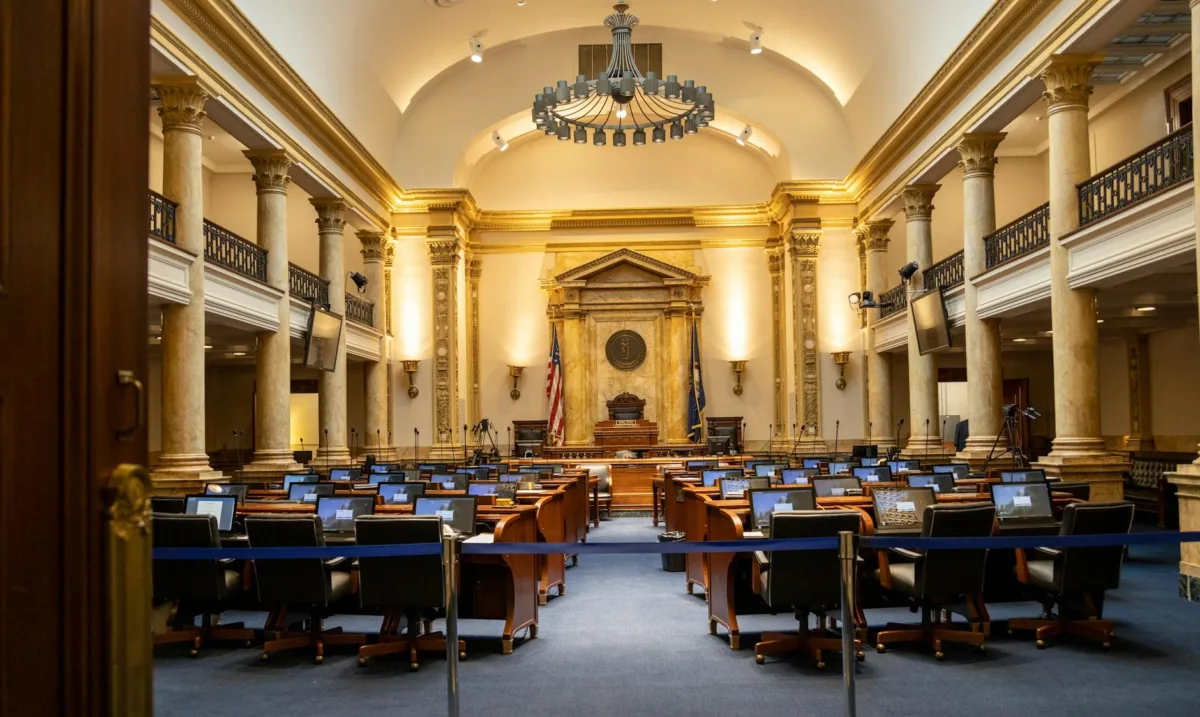
Perhaps the most pressing concern for CM Vijay’s administration is the pending trust vote, with NDTV reporting that its date is “yet to be fixed.” The delay in scheduling this crucial vote fuels speculation about the government’s confidence in its majority and the potential for political maneuvering behind the scenes. A trust vote is a fundamental mechanism in parliamentary democracy, testing the government’s legitimacy and its ability to command the support of the legislative assembly.
Political observers suggest that the White Paper’s revelations, coupled with any internal dissent or external pressures, could be influencing the timing and outcome of such a vote. The ability of CM Vijay to consolidate support and demonstrate a clear majority will be paramount to ensuring his government’s continued stability. The political climate indicates that the coming weeks will be critical in determining the future trajectory of his administration.
Forward-Looking Implications
The coming weeks will be pivotal for Chief Minister C. Joseph Vijay and the TVK government. All eyes will be on the state assembly as the trust vote looms, a critical test of the administration’s parliamentary strength. Observers will closely monitor the government’s strategies to counter the criticisms highlighted in the White Paper, particularly its efforts to address governance concerns and maintain public confidence.
Further, the responses from opposition parties will shape the narrative, potentially escalating the political pressure on the ruling TVK. CM Vijay’s ability to demonstrate effective leadership and unite his party will determine his government’s long-term viability in Tamil Nadu’s dynamic political landscape. The political discourse will likely intensify, focusing on policy implementation, transparency, and the overall stability of the state’s new political order.