




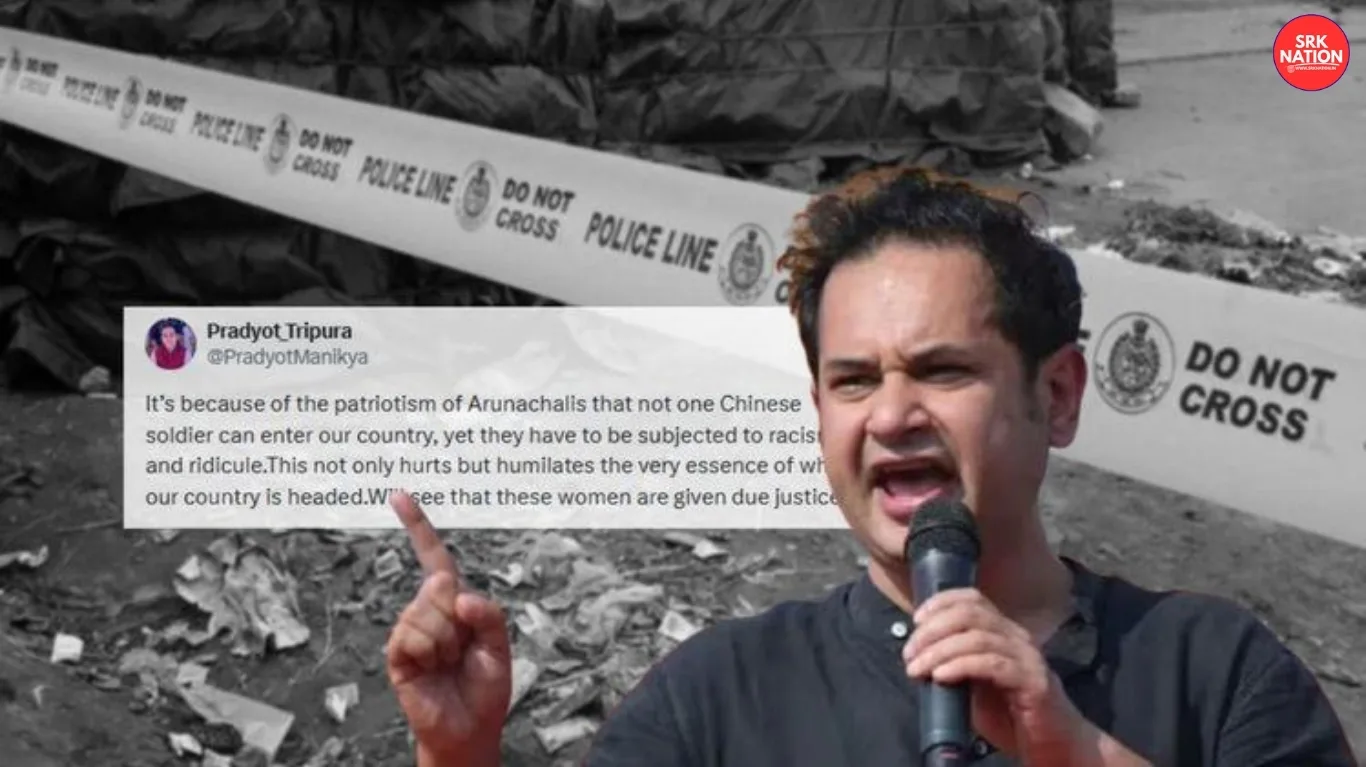
Tripura royal scion and political leader Pradyot Kishore Manikya Debbarma has strongly reacted to the recent Delhi racism row, assuring that the women affected will receive justice. His statement comes after reports of alleged racial discrimination against women from the Northeast in the national capital, sparking outrage and renewed debate about inclusivity and safety in metropolitan cities.
Background
The incident in Delhi has drawn widespread condemnation, with many highlighting the persistent challenges faced by Northeastern communities in mainland India. Allegations of racial slurs, harassment, and discriminatory behavior have reignited discussions on the need for stronger legal safeguards and social awareness. Pradyot Debbarma’s intervention underscores the importance of political and community leadership in addressing such issues.
Key Highlights
- Pradyot Debbarma’s Statement: Assured justice for women affected by racism in Delhi.
- Incident: Reports of racial discrimination against Northeastern women.
- Public Reaction: Outrage across social media and civil society.
- Political Angle: Renewed calls for stronger anti-discrimination laws.
Comparative Analysis: Racism Incidents in India
| Incident | Location | Community Targeted | Public Response |
|---|---|---|---|
| Delhi Racism Row | Delhi | Northeastern women | Strong condemnation |
| Bengaluru Harassment | Bengaluru | African students | Diplomatic concern |
| Mumbai Discrimination | Mumbai | Migrant workers | Civil society protests |
| Chennai Bias Cases | Chennai | North Indian migrants | Local debates |
Impact of Pradyot Debbarma’s Intervention
| Aspect | Impact |
|---|---|
| Political Leadership | Raises visibility of the issue |
| Community Confidence | Assures victims of support |
| Legal Pressure | Pushes for stronger enforcement |
| Public Awareness | Highlights racism as a national concern |
| Social Change | Encourages inclusivity and dialogue |
Strategic Importance of the Statement
- Community Support: Reinforces solidarity with Northeastern communities.
- Political Messaging: Positions leaders as advocates for justice and equality.
- National Awareness: Brings racism issues into mainstream discourse.
- Legal Push: Strengthens calls for anti-discrimination legislation.
Challenges Ahead
- Legal Framework: India lacks comprehensive anti-racism laws.
- Social Awareness: Persistent stereotypes and biases remain.
- Victim Protection: Ensuring safety and rehabilitation for affected individuals.
- Implementation: Translating political promises into actionable policies.
Future Outlook
Pradyot Debbarma’s assurance of justice could mark a turning point in addressing racism in India. If followed by concrete legal and social measures, the incident may catalyze broader reforms aimed at protecting vulnerable communities. The focus will now be on whether authorities take swift action and whether civil society sustains pressure for long-term change.
Disclaimer
This article is intended for informational purposes only. It highlights Pradyot Debbarma’s response to the Delhi racism row and the broader implications for justice and inclusivity. The content does not constitute legal, political, or policy advice. Readers should rely on verified government statements and credible reports for authoritative details.