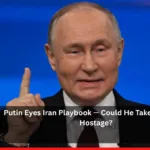
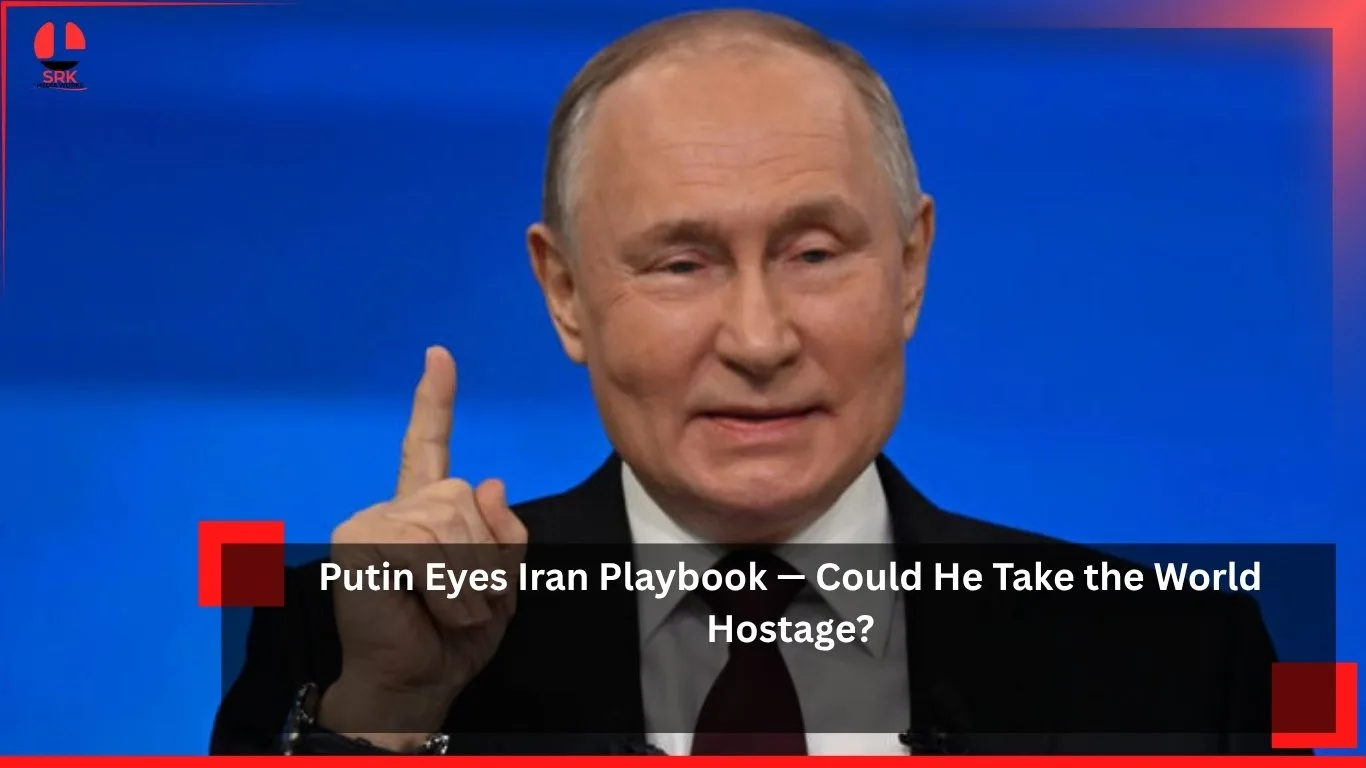
Russian President Vladimir Putin’s evolving geopolitical strategy has drawn comparisons to Iran’s long-standing playbook of leveraging military power, energy resources, and proxy networks to exert influence. Analysts warn that Moscow may be adopting similar tactics to pressure the West, raising fears that Putin could attempt to “take the world hostage” by weaponizing energy supplies, military threats, and alliances with non-Western powers.
The Iran Playbook: A Model of Strategic Defiance
Iran has historically relied on a combination of tactics to challenge US and Western dominance:
- Proxy Networks: Supporting groups like Hezbollah and the Houthis to project influence indirectly.
- Energy Leverage: Using oil exports and threats to disrupt global energy markets.
- Military Posturing: Missile tests and drone warfare to deter adversaries.
- Diplomatic Defiance: Rejecting Western pressure while strengthening ties with Russia and China.
This playbook has allowed Iran to survive sanctions, maintain regional influence, and challenge Western policies without direct confrontation.
Putin’s Strategy: Echoes of Iran
Putin appears to be adopting similar methods, though on a larger scale:
- Energy Weaponization: Russia has already restricted gas supplies to Europe, creating economic pressure.
- Military Threats: Nuclear rhetoric and aggressive posturing in Ukraine mirror Iran’s deterrence tactics.
- Proxy Alliances: Strengthening ties with groups and states opposed to the West, including Iran itself.
- Diplomatic Defiance: Rejecting Western sanctions while deepening partnerships with China, North Korea, and Middle Eastern states.
Comparative Analysis: Iran vs. Russia
| Dimension | Iran’s Playbook | Putin’s Adaptation |
|---|---|---|
| Energy Leverage | Oil exports, Strait of Hormuz threats | Gas supplies to Europe, oil trade with Asia |
| Military Posturing | Missile tests, drone warfare | Nuclear rhetoric, Ukraine war escalation |
| Proxy Networks | Hezbollah, Houthis, militias | Wagner Group, alliances with Iran & North Korea |
| Diplomatic Strategy | Defiance, ties with Russia/China | Defiance, ties with China, Iran, Global South |
Pivot Analysis: Regional vs. Global Hostage Strategy
| Factor | Iran’s Approach | Putin’s Approach |
|---|---|---|
| Scope | Regional dominance in Middle East | Global leverage through energy and war |
| Impact | Disrupts regional stability | Threatens global economy and security |
| Tools | Proxies, oil, missiles | Gas, nuclear threats, alliances |
| Outcome | Survives sanctions, maintains influence | Seeks to reshape global order |
Could Putin “Take the World Hostage”?
The phrase reflects fears that Putin could use global dependencies to exert control:
- Energy Dependency: Europe’s reliance on Russian gas makes it vulnerable.
- Nuclear Threats: Putin’s rhetoric raises fears of escalation beyond Ukraine.
- Global Alliances: By partnering with Iran, China, and North Korea, Russia could form a bloc challenging Western dominance.
- Cyber and Hybrid Warfare: Expanding influence through disinformation, cyberattacks, and covert operations.
Global Reactions
- United States: Warns against Russia’s nuclear rhetoric, pledges continued support for Ukraine.
- Europe: Scrambles to diversify energy supplies, reducing dependence on Russian gas.
- China: Strengthens ties with Moscow, seeing opportunity to counterbalance US influence.
- Middle East: Iran welcomes Russia’s alignment, while Gulf states remain cautious.
Risks of the Iran Playbook Applied Globally
Putin’s adaptation of Iran’s tactics carries risks:
- Escalation: Global conflicts could spiral if energy or nuclear threats are acted upon.
- Isolation: Sanctions may deepen Russia’s economic crisis.
- Unintended Consequences: Proxy alliances could destabilize regions beyond Moscow’s control.
Future Outlook
The world faces a precarious future if Putin continues to adopt Iran’s playbook:
- Energy Markets: Continued volatility as Russia manipulates supplies.
- Security Risks: Heightened nuclear tensions and proxy conflicts.
- Global Order: Potential shift toward multipolarity, with Russia and China challenging Western dominance.
- Diplomatic Struggles: Western powers must balance deterrence with engagement to prevent escalation.
Conclusion
Putin’s apparent adoption of the Iran playbook raises fears that he could attempt to “take the world hostage” by leveraging energy, military threats, and alliances. While Iran has used these tactics regionally, Russia’s global reach makes the stakes far higher. The future will depend on whether the West can counterbalance Moscow’s strategy without triggering wider conflict, and whether Putin’s gamble ultimately strengthens or isolates Russia further.
Disclaimer
This article is an analytical overview based on geopolitical assessments and publicly available information. It does not endorse or criticize any nation or political leader. The content is intended for informational and educational purposes only, and readers should consider multiple perspectives before forming conclusions.