


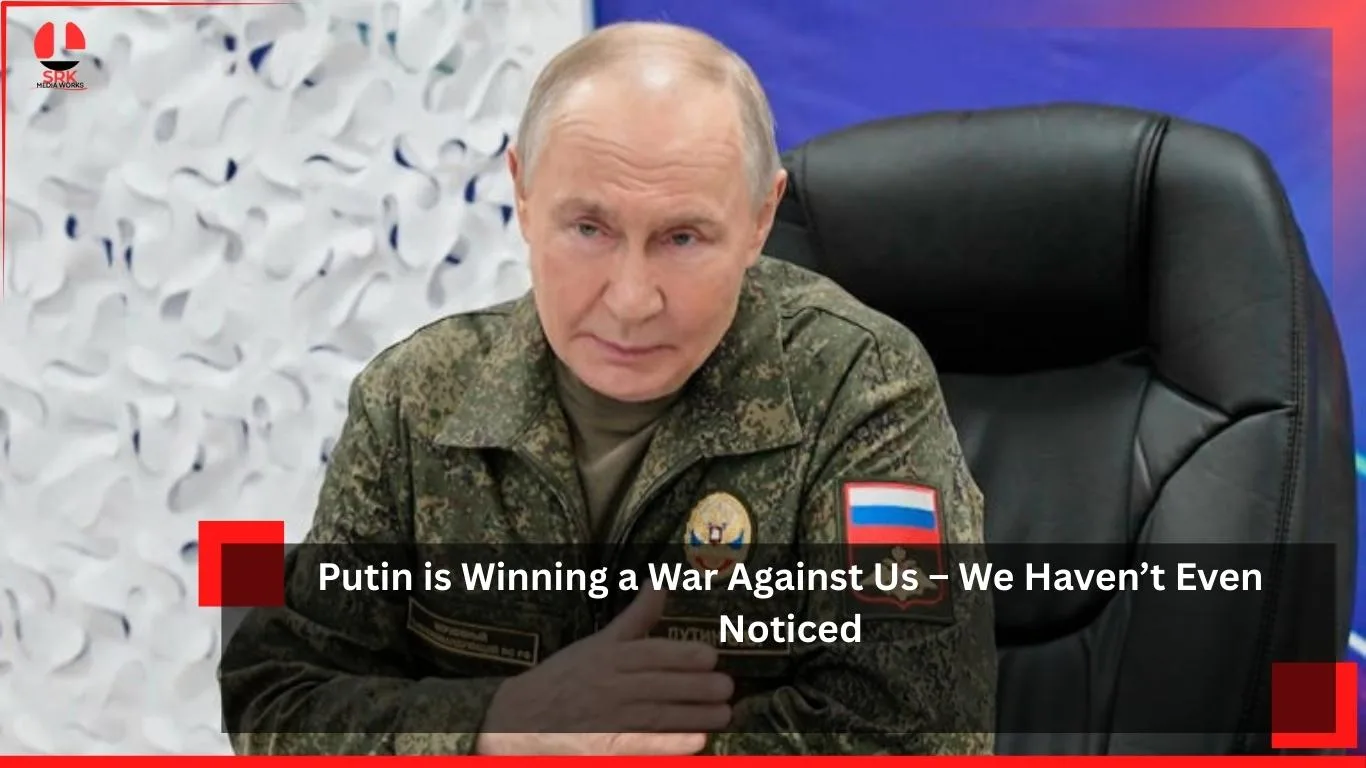
The modern battlefield has shifted far beyond tanks, missiles, and soldiers. According to analysts, Russian President Vladimir Putin is waging a war against the West that is subtle, strategic, and largely unnoticed. This war is not fought with conventional weapons but through disinformation campaigns, cyberattacks, energy leverage, and geopolitical maneuvering. While many nations remain focused on traditional security threats, Putin’s tactics are reshaping global power dynamics in ways that often go undetected.
The Nature of the Invisible War
Unlike traditional conflicts, this war is fought in the shadows. It involves:
- Disinformation: Spreading false narratives to destabilize societies.
- Cyber Warfare: Targeting critical infrastructure and government systems.
- Energy Politics: Using oil and gas supplies as leverage.
- Diplomatic Maneuvering: Exploiting divisions within Western alliances.
This multifaceted approach allows Russia to exert influence without triggering direct military confrontation.
Disinformation Campaigns
Russia has invested heavily in media manipulation and online propaganda. Social media platforms are flooded with misleading content designed to polarize societies and weaken trust in democratic institutions.
| Strategy | Target | Impact |
|---|---|---|
| Fake News | Western citizens | Distrust in media |
| Troll Farms | Social media | Polarization |
| State Media | Global audience | Narrative control |
| Deepfakes | Political leaders | Credibility damage |
Cyber Warfare
Cyberattacks have become a central weapon in Putin’s arsenal. From hacking government databases to disrupting energy grids, Russia has demonstrated its ability to cripple systems without firing a single shot.
- Attacks on election systems undermine democratic processes.
- Breaches in financial institutions create instability.
- Targeting healthcare and infrastructure spreads fear.
Energy Leverage
Russia’s vast reserves of oil and gas give it significant leverage over Europe and beyond. By controlling supply chains, Moscow can pressure nations into compliance or punish them economically.
| Region | Dependency on Russian Energy | Vulnerability |
|---|---|---|
| Europe | High | Severe economic impact |
| Asia | Moderate | Strategic adjustments |
| US | Low | Limited direct impact |
Diplomatic Maneuvering
Putin’s strategy also involves exploiting divisions within Western alliances such as NATO and the EU. By supporting populist movements and fostering political instability, Russia weakens collective responses to its actions.
Why We Haven’t Noticed
The subtlety of this war makes it difficult to detect. Unlike traditional conflicts, there are no clear battle lines or declarations of war. Instead, the effects are gradual and often disguised as internal problems. Citizens may blame domestic politics for polarization, unaware of foreign influence behind the scenes.
Comparative Analysis of Modern Warfare
| Type of Warfare | Traditional | Putin’s Strategy |
|---|---|---|
| Military | Tanks, missiles, soldiers | Minimal use |
| Information | Propaganda leaflets | Digital disinformation |
| Economic | Trade sanctions | Energy leverage |
| Cyber | Limited | Central weapon |
Global Implications
The consequences of this invisible war are profound:
- Erosion of Trust: Citizens lose faith in institutions.
- Economic Instability: Energy manipulation disrupts markets.
- Political Polarization: Democracies struggle to maintain unity.
- Security Risks: Cyber vulnerabilities threaten national safety.
Public Perception
Many citizens remain unaware of the scale of Russia’s influence. While some recognize cyberattacks and propaganda, few understand the coordinated nature of these tactics. This lack of awareness allows Putin to advance his strategy largely unchecked.
Future Outlook
Experts warn that unless nations adapt to these unconventional tactics, Russia will continue to gain ground. Strengthening cybersecurity, promoting media literacy, and diversifying energy sources are essential steps to counter this invisible war.
Conclusion
Putin’s war against the West is not fought with tanks or missiles but through disinformation, cyberattacks, energy leverage, and diplomacy. The subtlety of these tactics makes them difficult to detect, allowing Russia to gain influence while many remain unaware. Recognizing and addressing this invisible war is crucial to safeguarding democracy, stability, and global security.
Disclaimer: This article is intended for informational purposes only. It provides an overview of geopolitical strategies attributed to Russia and their impact on global affairs. The content does not represent official government communication, and readers are advised to consult verified reports for precise details.