



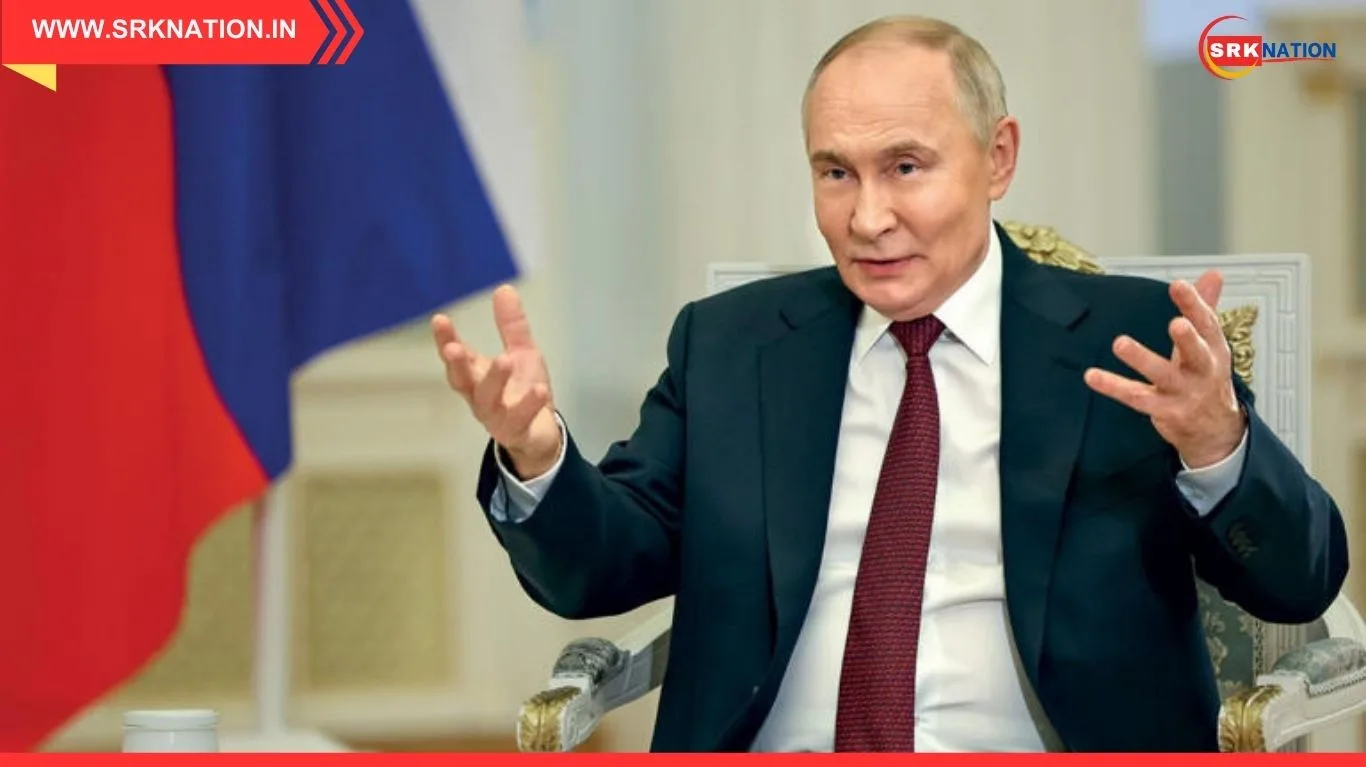
In a significant development that underscores the deepening strategic partnership between Russia and India, President Vladimir Putin has signed into federal law a landmark pact on military and logistics support with New Delhi. The agreement is expected to enhance interoperability between the armed forces of both nations, streamline logistics cooperation, and strengthen defense ties at a time of shifting global dynamics.
Background of the Pact
- The pact builds upon decades of defense cooperation between India and Russia, dating back to the Cold War era.
- It provides a legal framework for reciprocal logistics support, including access to military facilities, repair and maintenance, and supply chain cooperation.
- The agreement is part of a broader effort to modernize bilateral defense ties and adapt to contemporary security challenges.
- By signing the pact into federal law, Russia has formalized its commitment, ensuring long-term stability and implementation.
Key Features of the Military and Logistics Pact
| Feature | Details | Expected Impact |
|---|---|---|
| Reciprocal Access | Armed forces can use each other’s bases and facilities | Enhances operational reach |
| Logistics Support | Fuel, food, spares, and repair services | Streamlines military operations |
| Joint Exercises | Facilitates training and interoperability | Strengthens defense cooperation |
| Legal Framework | Signed into federal law in Russia | Ensures durability of agreement |
| Strategic Depth | Expands cooperation beyond arms sales | Reinforces long-term partnership |
Strategic Importance for India
- India gains access to Russian military facilities, particularly in regions where logistical support is critical.
- The pact enhances India’s ability to conduct joint exercises and operations with Russian forces.
- It strengthens India’s defense preparedness by ensuring reliable supply chains for spare parts and maintenance.
- The agreement complements India’s broader strategy of diversifying defense partnerships while maintaining traditional ties with Russia.
Strategic Importance for Russia
- Russia consolidates its role as a key defense partner for India, countering competition from other global powers.
- The pact provides opportunities for Russian forces to access Indian facilities, particularly in the Indian Ocean region.
- It reinforces Russia’s geopolitical presence in South Asia.
- The agreement strengthens Russia’s defense industry by ensuring continued cooperation with India.
Expert Opinions
- Defense analysts: View the pact as a game-changer for operational logistics and interoperability.
- Strategic commentators: Highlight the importance of formalizing agreements into law for long-term stability.
- Economists: Note that logistics cooperation could reduce costs and improve efficiency in defense operations.
- Public policy experts: Suggest that the pact reflects India’s balanced approach to global partnerships.
Comparative Analysis of India’s Logistics Agreements
| Country | Agreement Type | Key Features | Strategic Value |
|---|---|---|---|
| United States | Logistics Exchange Memorandum of Agreement (LEMOA) | Reciprocal logistics support | Enhances Indo-Pacific cooperation |
| France | Reciprocal Logistics Support Agreement | Access to bases, joint operations | Strengthens maritime presence |
| Australia | Mutual Logistics Support Agreement | Shared facilities, joint exercises | Expands Quad cooperation |
| Russia | Military & Logistics Pact | Signed into federal law | Reinforces traditional partnership |
India’s pact with Russia complements its agreements with other nations, ensuring a diversified and balanced defense strategy.
Challenges Ahead
- Implementation: Ensuring smooth coordination between armed forces and logistics systems.
- Geopolitical Sensitivities: Balancing ties with Russia while maintaining partnerships with Western nations.
- Operational Integration: Aligning procedures and standards across different military systems.
- Public Perception: Addressing concerns about dependence on foreign partners.
Opportunities for Growth
- Enhanced Interoperability: Joint exercises and training programs to improve coordination.
- Supply Chain Efficiency: Streamlined logistics support reduces operational delays.
- Strategic Reach: Access to facilities expands India’s and Russia’s global presence.
- Defense Industry Cooperation: Opportunities for joint ventures in manufacturing and technology.
Broader Geopolitical Context
- The pact comes at a time of shifting global alliances, with India balancing ties between Russia, the U.S., and other partners.
- Russia’s formalization of the agreement reflects its intent to strengthen ties with India amid global competition.
- The pact enhances India’s ability to project power in the Indo-Pacific and beyond.
- It underscores the importance of logistics agreements in modern military strategy.
Public Sentiment
- Supporters view the pact as a reaffirmation of India-Russia friendship.
- Critics caution about overreliance on Russia amid global tensions.
- Neutral observers highlight the importance of balancing partnerships for strategic autonomy.
- The signing into federal law has been widely covered as a milestone in bilateral relations.
Conclusion
President Vladimir Putin’s signing of the military and logistics support pact with India into federal law marks a historic step in bilateral defense cooperation. By providing a legal framework for reciprocal logistics support, the agreement enhances interoperability, strengthens supply chains, and reinforces the strategic partnership between the two nations. As India continues to diversify its defense ties, this pact underscores the enduring importance of its relationship with Russia in shaping regional and global security dynamics.
Disclaimer
This article is intended for informational purposes only and does not constitute defense or legal advice. Military agreements and geopolitical developments are subject to evolving circumstances, government policies, and international dynamics. Readers are encouraged to follow official updates for accurate information. The author and publisher are not responsible for any decisions made based on this article.