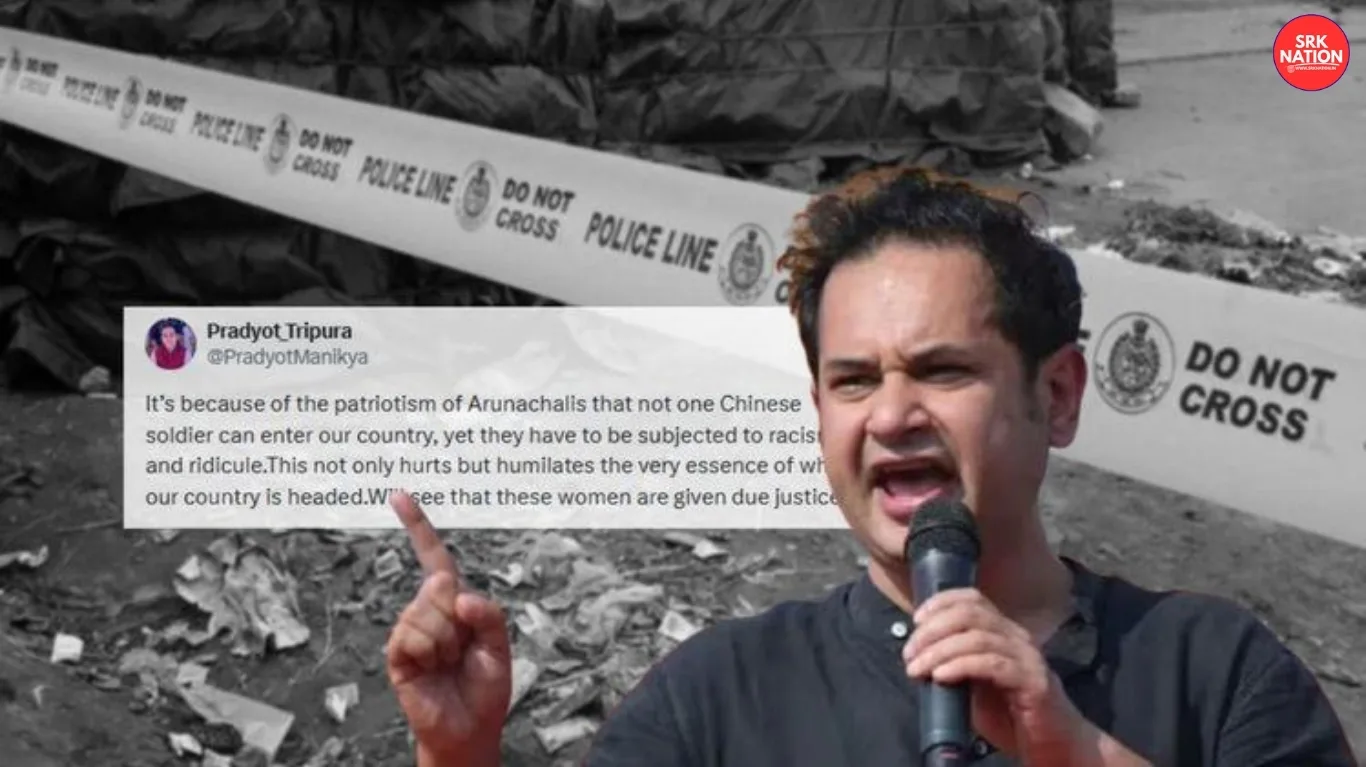



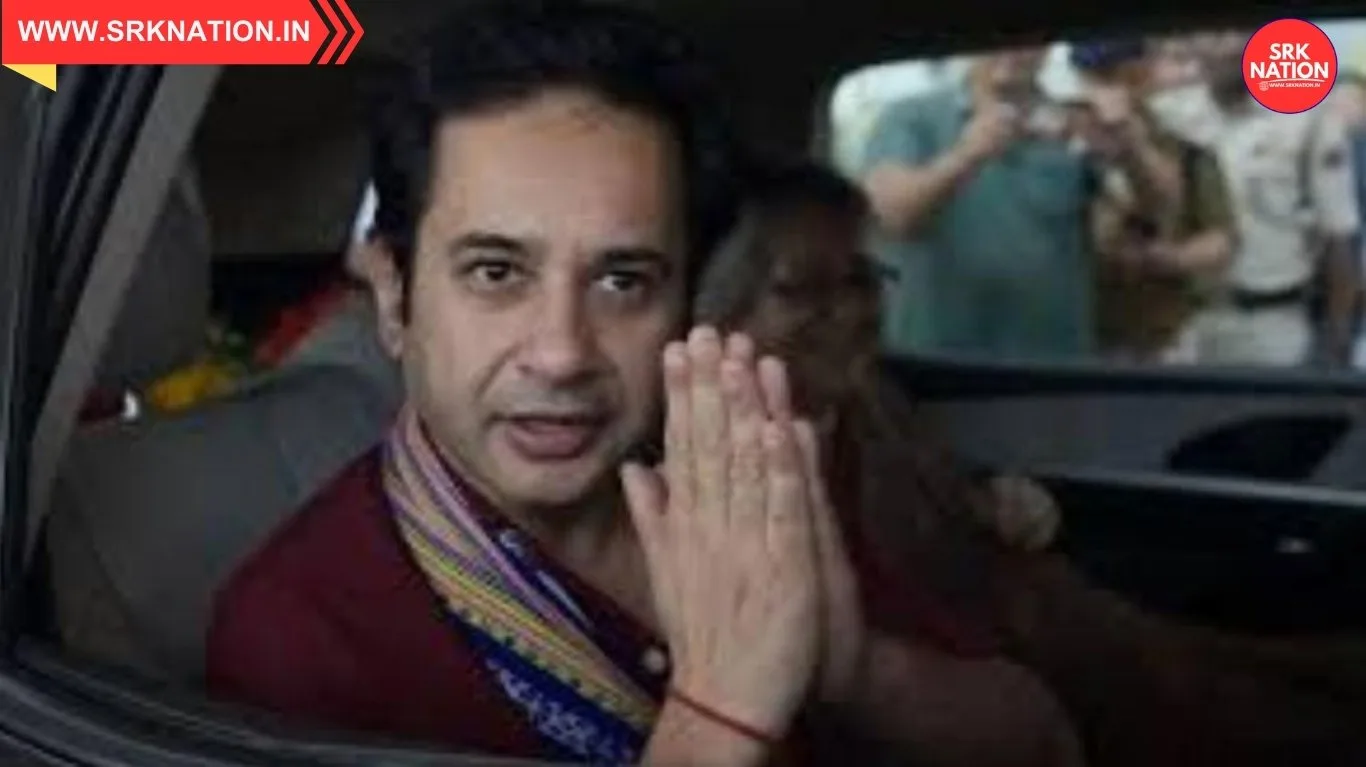
In a powerful appeal delivered in Agartala, Tipra Motha founder and royal scion Pradyot Manikya Debbarma urged the people of Tripura to rise above political divisions and remain united in addressing challenges posed by Bangladesh’s cross-border dynamics. His remarks come at a time when regional politics and border issues have become increasingly sensitive, with concerns over migration, cultural identity, and security dominating public discourse.
Background of the Statement
- Pradyot’s Appeal: He emphasized unity over partisan politics, warning that internal divisions weaken Tripura’s ability to address external challenges.
- Bangladesh Factor: Tripura shares a long border with Bangladesh, making cross-border migration, trade, and cultural exchanges central to its politics.
- Political Context: With elections approaching, his statement is seen as a call for collective responsibility rather than political point-scoring.
- Historical Resonance: The appeal echoes past concerns about demographic changes and the need to safeguard indigenous rights.
Key Highlights
| Indicator | Details |
|---|---|
| Speaker | Pradyot Manikya Debbarma |
| Location | Agartala, Tripura |
| Core Message | Rise above politics, stay united |
| Issue in Focus | Bangladesh border dynamics |
| Broader Context | Migration, identity, security, regional politics |
Internal Politics vs External Challenges
| Factor | Internal Politics | External Challenges (Bangladesh) | Implication |
|---|---|---|---|
| Political Divisions | Parties competing for votes | Weakens collective response | Need for unity |
| Migration Concerns | Politicized debates | Cross-border inflows | Social tension |
| Cultural Identity | Indigenous vs migrant narratives | Influence of Bangladesh | Preservation needed |
| Security | Local law enforcement | Border management | Requires cooperation |
| Long-Term Outlook | Fragmented politics | Persistent external pressures | Collective strategy essential |
Why This Story Matters
- Regional Stability: Tripura’s border with Bangladesh makes unity crucial for managing migration and security.
- Political Responsibility: Leaders are urged to prioritize people’s interests over party gains.
- Cultural Preservation: Indigenous communities seek protection of their identity.
- National Context: Reflects broader debates on migration and border management in India.
- Future Outlook: Could shape Tripura’s political discourse ahead of elections.
Pradyot’s Perspective
- He stressed that political fights within Tripura only weaken the state’s ability to face external challenges.
- His call for unity is rooted in concerns about demographic shifts and cultural preservation.
- He positioned himself as a voice for indigenous communities, while also advocating for broader solidarity.
Expert Opinions
- Political Analysts: See his remarks as an attempt to shift discourse from partisan battles to collective responsibility.
- Social Leaders: Emphasize the importance of unity in preserving Tripura’s cultural fabric.
- Critics: Argue that such appeals may be politically motivated.
- Supporters: Believe his message resonates with grassroots concerns about identity and security.
Challenges Ahead
- Political Polarization: Parties may continue to exploit migration issues for electoral gains.
- Border Management: Ensuring effective control along the Bangladesh frontier.
- Community Relations: Balancing indigenous rights with migrant integration.
- Economic Pressures: Migration impacts labor markets and resources.
- Policy Execution: Translating unity appeals into actionable governance.
Opportunities
- Regional Cooperation: Strengthening ties with Bangladesh for better border management.
- Cultural Preservation: Promoting indigenous heritage through policy and education.
- Economic Growth: Leveraging cross-border trade for prosperity.
- Political Maturity: Moving beyond divisive rhetoric to collective problem-solving.
- National Attention: Positioning Tripura as a model for border state governance.
Broader Context
- Tripura’s history is deeply intertwined with migration from Bangladesh, especially post-1971.
- Political debates often center on demographic changes and their impact on indigenous communities.
- Pradyot’s appeal reflects a growing recognition that unity is essential to address these challenges.
- The issue resonates beyond Tripura, touching on national debates about migration, identity, and security.
Sectoral Breakdown of Impact
| Sector | Impact | Strategic Importance |
|---|---|---|
| Politics | Call for unity | Electoral discourse |
| Society | Indigenous rights | Cultural preservation |
| Security | Border management | National stability |
| Economy | Cross-border trade | Growth potential |
| Governance | Policy execution | Credibility of leadership |
Media Coverage
- Headlines highlight Pradyot’s call for unity in Agartala.
- Analysts debate whether his remarks are politically strategic or genuinely altruistic.
- Coverage emphasizes the Bangladesh factor in Tripura’s politics.
- The story resonates across regional, national, and cultural platforms.
Conclusion
Pradyot Manikya Debbarma’s appeal in Agartala to “rise above politics and stay united to face Bangladesh” underscores the importance of collective responsibility in Tripura’s political and social landscape. With migration, identity, and security at the forefront, his message resonates as both a warning and a call to action. Whether political parties heed his advice remains to be seen, but the appeal highlights the urgent need for unity in a border state facing complex challenges.
Disclaimer
This article is intended for informational purposes only and does not constitute political or policy advice. Statements, interpretations, and governance outcomes are subject to change based on evolving circumstances. Readers are encouraged to follow official updates for accurate information. The author and publisher are not responsible for any decisions made based on this article.