




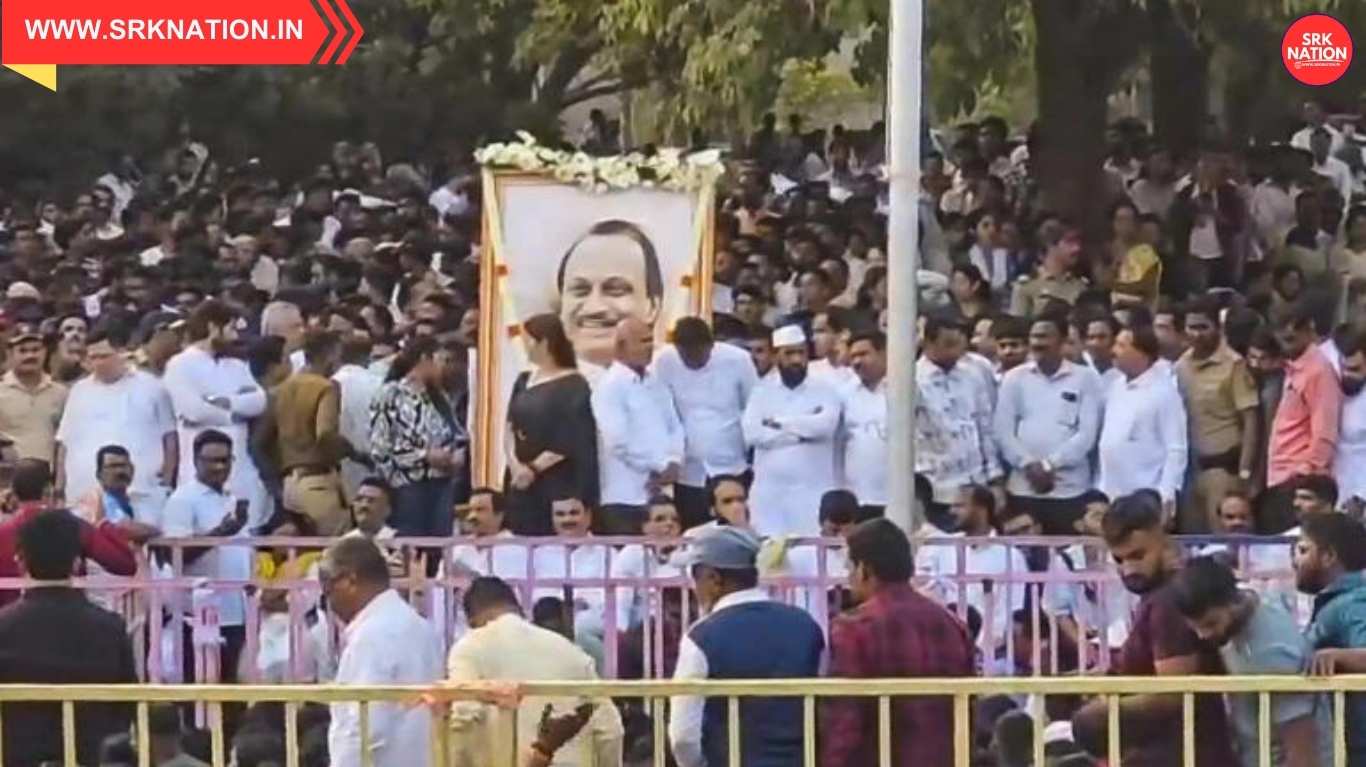
In a strongly worded letter to Prime Minister Narendra Modi, Rohit Pawar has demanded the resignation of the Aviation Minister following the recent plane crash involving Ajit Pawar. The incident has raised serious questions about aviation safety standards in India, prompting calls for accountability and reform. Rohit Pawar’s intervention has added political weight to the debate, highlighting concerns over systemic lapses in the aviation sector.
Background of the Incident
The crash involving Ajit Pawar’s aircraft has shocked the political and aviation fraternity. While Ajit Pawar survived, the incident has exposed vulnerabilities in India’s aviation safety mechanisms.
- Immediate Concerns: Mechanical failure and possible lapses in maintenance.
- Political Fallout: Opposition leaders demanding accountability from the Aviation Ministry.
- Public Sentiment: Growing unease about passenger safety in domestic aviation.
Rohit Pawar’s Letter to PM Modi
Rohit Pawar’s letter emphasized the need for urgent reforms and accountability.
- Key Demand: Resignation of the Aviation Minister.
- Reasoning: The crash raises “serious questions” about aviation safety oversight.
- Focus: Ensuring transparency in investigations and preventing future tragedies.
Aviation Safety Concerns in India
India’s aviation sector has grown rapidly, but safety concerns remain.
- Infrastructure Gaps: Smaller airports often lack advanced safety systems.
- Maintenance Issues: Reports of inadequate checks on private and chartered planes.
- Regulatory Oversight: Questions about the effectiveness of the Directorate General of Civil Aviation (DGCA).
Comparative Analysis of Aviation Safety
| Country | Aviation Safety Ranking | Key Strengths | Key Weaknesses |
|---|---|---|---|
| India | Mid-tier globally | Rapid growth, expanding fleet | Regulatory lapses, infrastructure gaps |
| US | Top-tier | Strong FAA oversight | Occasional pilot fatigue concerns |
| UK | High-tier | Advanced technology, strict rules | Rising costs for airlines |
| China | Improving steadily | Modern fleet, investment in airports | Rapid expansion challenges |
Political Reactions
- Opposition Parties: Supporting Rohit Pawar’s demand for resignation.
- Government Response: Awaiting official investigation results before taking action.
- Public Opinion: Divided between demanding accountability and waiting for evidence.
Aviation Minister’s Position
The Aviation Minister has defended the ministry’s role, stating that investigations are underway and that safety measures are being reviewed. However, critics argue that repeated incidents show systemic negligence.
Impact on Aviation Industry
| Area | Short-Term Impact | Long-Term Impact |
|---|---|---|
| Passenger Confidence | Decline due to safety concerns | Recovery depends on reforms |
| Airlines | Increased scrutiny | Possible rise in operational costs |
| Government | Political pressure | Need for stronger regulatory framework |
Broader Implications
The incident and Rohit Pawar’s demand highlight the intersection of politics and public safety.
- For Aviation: Push for stricter regulations and better oversight.
- For Politics: Increased accountability pressures on ministers.
- For Public: Renewed debate on passenger safety and transparency.
Long-Term Outlook
The Ajit Pawar plane crash may serve as a turning point for India’s aviation sector. If reforms are implemented, it could strengthen passenger confidence and improve global rankings. Politically, the demand for resignation underscores the growing expectation of accountability in governance.
Disclaimer
This article is a journalistic analysis based on publicly available information. It does not represent political, legal, or aviation safety advice. Readers are encouraged to consult official government releases and expert commentary before drawing conclusions about the incident.