

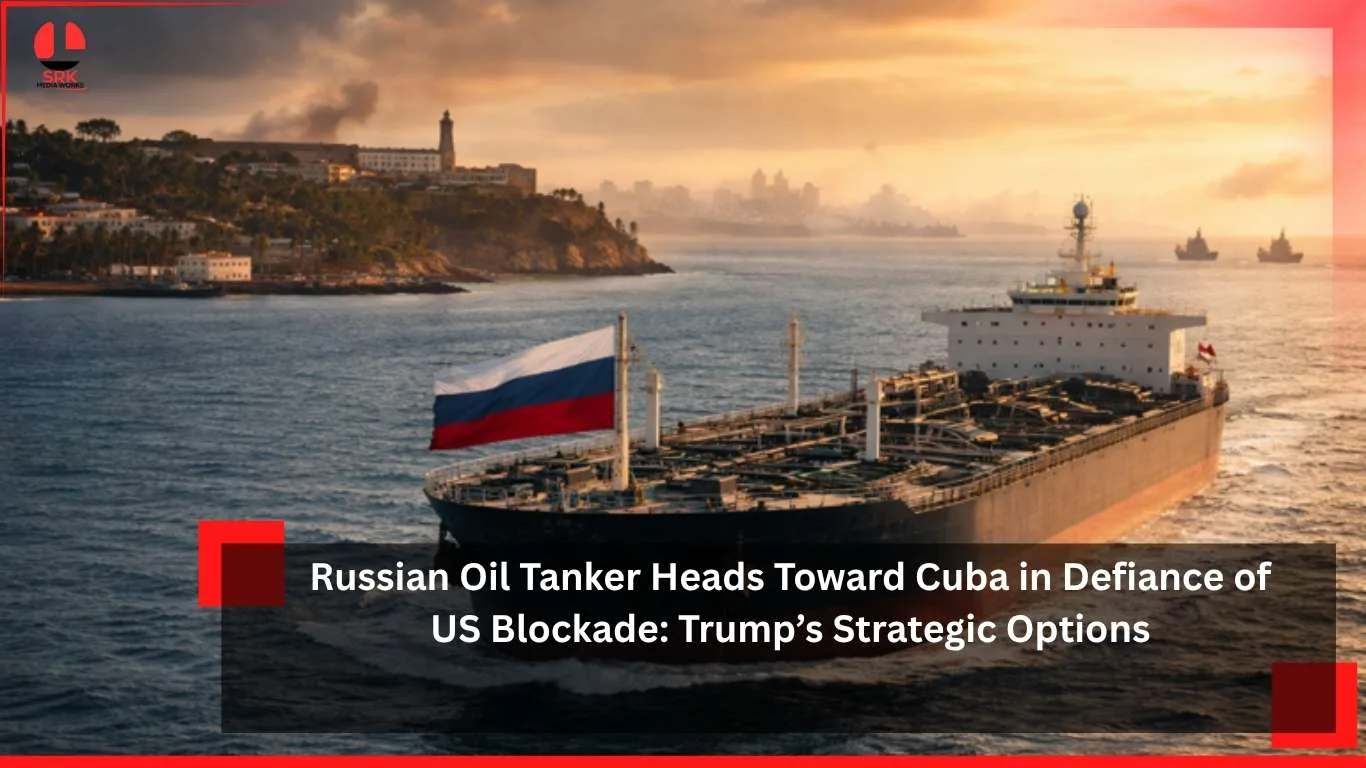
A Russian oil tanker is reportedly en route to Cuba, openly challenging the United States’ blockade and raising the stakes in a geopolitical standoff that could reshape energy flows and diplomatic relations in the Western Hemisphere. The arrival of this vessel, carrying crude oil to Havana, is seen as a direct test of Washington’s resolve under President Donald Trump. The situation has sparked intense debate over what options the U.S. administration has at its disposal to respond.
The Context of the Blockade
The U.S. blockade against Cuba has been a cornerstone of American foreign policy for decades, designed to isolate Havana economically and politically. However, Russia’s decision to send an oil tanker directly to Cuba represents a bold defiance of this policy. The move not only strengthens Cuba’s energy security but also signals Moscow’s willingness to challenge Washington’s dominance in the region.
Trump’s Options: A Strategic Breakdown
President Trump faces a complex set of choices, each carrying significant risks and potential rewards. Analysts outline several possible paths:
- Direct Interception of the Tanker
- The U.S. Navy could intercept the vessel before it reaches Cuban waters.
- This would demonstrate Washington’s resolve but risks escalating tensions with Russia.
- Diplomatic Pressure on Russia
- Trump could leverage diplomatic channels to warn Moscow against further defiance.
- This option avoids direct confrontation but may be perceived as weak if not backed by action.
- Sanctions Expansion
- The U.S. could impose additional sanctions on Russian shipping companies and energy firms.
- This would increase economic pressure but might push Russia closer to Cuba and other U.S. adversaries.
- Targeting Cuba Economically
- Washington could tighten restrictions on Cuban imports and financial transactions.
- This would hurt Havana but could also worsen humanitarian conditions, drawing international criticism.
- Strategic Patience
- Trump could choose to monitor the situation without immediate action.
- This avoids escalation but risks emboldening Russia and Cuba.
Comparative Analysis of Options
| Option | Pros | Cons | Risk Level |
|---|---|---|---|
| Direct Interception | Shows strength, enforces blockade | Risk of military clash with Russia | Very High |
| Diplomatic Pressure | Avoids confrontation, maintains dialogue | May be seen as weak, limited impact | Moderate |
| Sanctions Expansion | Economic leverage, global signal | Russia may retaliate, Cuba gains sympathy | High |
| Targeting Cuba Economically | Weakens Havana further | Humanitarian fallout, global criticism | Moderate |
| Strategic Patience | Avoids escalation, keeps flexibility | Emboldens adversaries, weak optics | Low |
Pivot Analysis: US Goals vs Russian Moves
| US Strategic Goal | Russian Action | Possible US Response |
|---|---|---|
| Maintain Blockade | Oil tanker en route to Cuba | Interception or sanctions |
| Protect Regional Influence | Russia challenges US dominance | Diplomatic pressure, military presence |
| Energy Security Control | Russia supplies Cuba | Target Cuban economy, sanction Russia |
| Avoid Escalation | Russia tests limits | Strategic patience, monitoring |
Global Implications
The confrontation has implications far beyond Cuba:
- Energy Markets: Russian oil reaching Cuba could stabilize Havana’s energy needs, but U.S. attempts to block shipments may disrupt global oil flows.
- Geopolitical Rivalry: The incident highlights the growing competition between Washington and Moscow in Latin America.
- Diplomatic Fallout: Allies in Europe and Latin America may pressure Trump to avoid escalation, while adversaries could exploit the situation to undermine U.S. credibility.
- Military Posturing: Any naval action risks sparking a broader confrontation in the Caribbean, reminiscent of Cold War tensions.
Voices from Washington and Moscow
- Washington: Officials emphasize the need to uphold the blockade, warning that defiance cannot go unanswered.
- Moscow: Russian leaders frame the tanker’s voyage as a sovereign decision, accusing the U.S. of illegal interference in global trade.
- Havana: Cuban authorities welcome the shipment, describing it as a lifeline for the island’s struggling economy.
Possible Outcomes
- Interception and Escalation: A direct clash between U.S. and Russian forces could destabilize the region.
- Sanctions and Retaliation: Economic measures may trigger counter-sanctions from Moscow.
- Diplomatic Stalemate: Both sides may engage in rhetoric without decisive action.
- Quiet Resolution: The tanker may reach Cuba without interference, signaling U.S. restraint.
Conclusion
The Russian oil tanker’s approach to Cuba represents a pivotal moment in U.S.-Russia relations under Trump. The administration’s response will shape not only the future of the Cuban blockade but also Washington’s credibility in enforcing its foreign policy. Whether Trump opts for confrontation, diplomacy, or patience, the world is watching closely as this high-stakes drama unfolds in the Caribbean.
Disclaimer
This article is an independent journalistic analysis based on publicly available information and expert commentary. It does not represent official government policy or classified intelligence. Readers should interpret the content as informational, recognizing that geopolitical developments are fluid and subject to rapid change.