

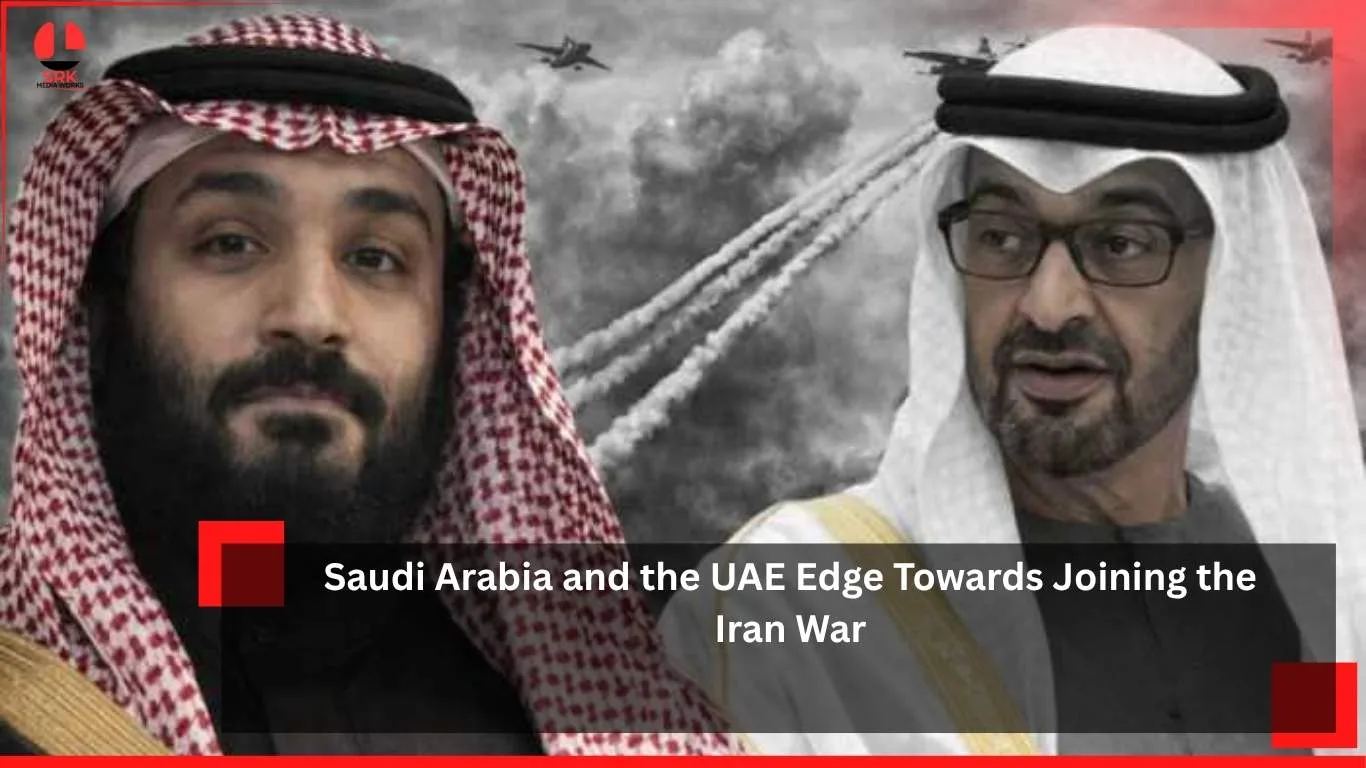
The Middle East is once again on the brink of a major escalation as reports suggest Saudi Arabia and the United Arab Emirates (UAE) are edging closer to direct involvement in the ongoing Iran conflict. This development has raised alarm across global capitals, with analysts warning that the entry of Riyadh and Abu Dhabi could transform a regional confrontation into a full-scale war with far-reaching consequences for global energy markets, security, and diplomacy.
Background of the Iran Conflict
The Iran war has been fueled by long-standing tensions over nuclear ambitions, regional influence, and proxy battles across the Middle East. Iran’s growing assertiveness in Iraq, Syria, Lebanon, and Yemen has alarmed Gulf states, particularly Saudi Arabia and the UAE, who view Tehran’s actions as a direct threat to their sovereignty and regional stability.
Why Saudi Arabia and the UAE Are Considering Direct Involvement
Several factors explain why Riyadh and Abu Dhabi are edging closer to joining the conflict:
- Security Concerns: Iran-backed militias have targeted Gulf interests, including oil facilities and shipping lanes.
- Regional Rivalry: Saudi Arabia and the UAE see Iran’s influence in Yemen, Syria, and Lebanon as destabilizing.
- Alliance with the US: Both nations are under pressure to align more closely with Washington’s strategic objectives.
- Energy Security: Protecting oil exports and infrastructure is a top priority.
Comparative Analysis of Regional Positions
| Nation | Current Position | Likelihood of Direct Involvement | Strategic Interests |
|---|---|---|---|
| Saudi Arabia | Military buildup, cautious diplomacy | High | Protect oil facilities, counter Iran |
| UAE | Supporting coalition, limited strikes | Moderate to High | Regional security, trade routes |
| Iran | Expanding influence, proxy warfare | Already engaged | Regional dominance, nuclear leverage |
| US | Military presence, sanctions | High | Contain Iran, protect allies |
| Israel | Intelligence and covert operations | Moderate | Counter Hezbollah, Iran’s nuclear program |
Potential Consequences of Gulf States Joining the War
- Escalation of Conflict: Direct involvement by Saudi Arabia and the UAE could widen the war zone.
- Global Oil Prices: Any disruption in Gulf oil exports could send prices soaring.
- Proxy Battles Intensify: Iran-backed groups in Yemen, Iraq, and Lebanon may retaliate.
- Diplomatic Fallout: Regional peace efforts could collapse, drawing in more international players.
Public and Analyst Perspectives
| Perspective | Key Points |
|---|---|
| Optimistic Analysts | Gulf involvement may pressure Iran to negotiate. |
| Skeptical Analysts | Risk of escalation outweighs potential gains. |
| Public Sentiment | Divided, with fears of economic fallout and regional instability. |
Pakistan’s Position
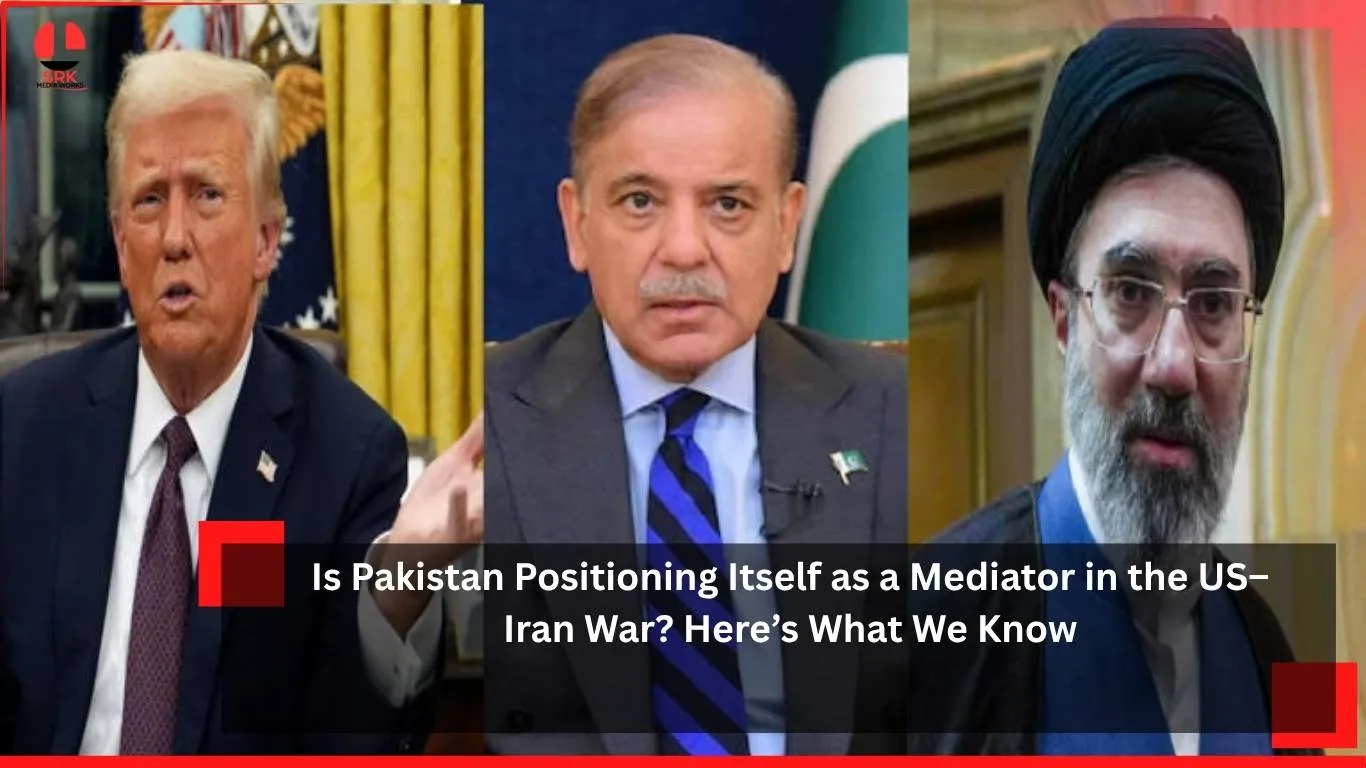
Though not directly involved, Pakistan’s role is being closely watched. As a neighbor to Iran and a traditional ally of Saudi Arabia, Islamabad faces a delicate balancing act. Analysts suggest Pakistan may:
- Offer diplomatic mediation to prevent escalation.
- Avoid direct military involvement due to domestic and regional sensitivities.
- Focus on economic and energy stability, given its reliance on Gulf states for remittances and trade.
Sentiment Breakdown
| Sentiment | Percentage |
|---|---|
| Support for Gulf involvement | 30% |
| Opposition due to escalation fears | 50% |
| Neutral/Wait-and-see | 20% |
Long-Term Outlook
If Saudi Arabia and the UAE join the Iran war, the Middle East could face unprecedented instability. The conflict may:
- Draw in more global powers, including the US, Russia, and China.
- Trigger humanitarian crises across multiple countries.
- Reshape alliances and energy markets worldwide.
Conclusion
Saudi Arabia and the UAE edging towards joining the Iran war marks a dangerous turning point in Middle Eastern geopolitics. While their involvement may strengthen the anti-Iran coalition, it risks escalating the conflict into a broader regional war. The coming months will be critical in determining whether diplomacy can prevail or whether the Gulf states will commit to direct military action, reshaping the future of the region.
Disclaimer
This article is based on publicly available information and analytical perspectives. It does not claim to provide verified government data or official military records. Readers are encouraged to follow updates from credible authorities for confirmed details. The content is intended for informational and discussion purposes only.