






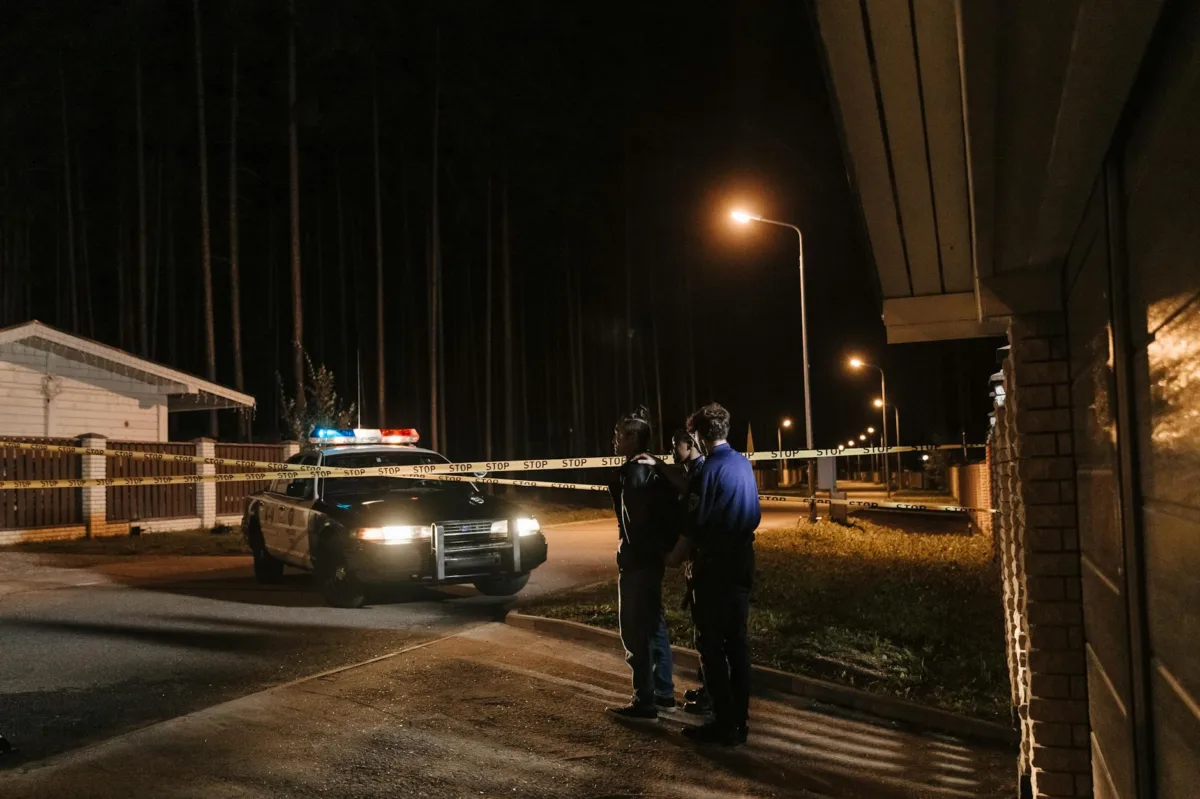
A chaotic scene unfolded outside the White House complex on Monday as U.S. Secret Service officers opened fire on an armed individual, resulting in the suspect being shot and a bystander sustaining injuries. The incident occurred during a period of high-level diplomatic activity, prompting an immediate lockdown of the executive mansion and a swift response from federal law enforcement agencies.
Context and Incident Overview
The White House, one of the most heavily fortified locations in the world, maintains a constant security perimeter managed by the Secret Service. Protocols for such incidents are stringent, often involving immediate lockdowns and the deployment of tactical teams to neutralize perceived threats within the vicinity of the executive grounds.
Reports from law enforcement officials indicate that the suspect attempted to breach or engage with security personnel near the perimeter. The subsequent exchange of gunfire forced the Secret Service to initiate emergency security procedures to ensure the safety of the President and the surrounding staff.
Tactical Response and Investigation
The rapid escalation of the situation necessitated a coordinated response between the Secret Service and the Federal Bureau of Investigation (FBI). Authorities confirmed that the suspect was incapacitated by gunfire following a direct confrontation with agents on duty.
Beyond the primary suspect, a bystander was also struck during the exchange, though the extent of their injuries remains under clinical assessment. Investigators are currently reviewing surveillance footage and interviewing witnesses to determine the suspect’s intent and whether the individual acted in coordination with any external groups or as a lone actor.
Expert Perspectives on Security Protocols
Security analysts note that the proximity of the incident to the White House highlights the persistent challenges of protecting high-profile political targets in an urban center. Former Secret Service officials emphasize that the speed of the officers’ reaction demonstrates the effectiveness of pre-established defensive layers designed to intercept threats before they reach the main structure.
Data from the Department of Homeland Security suggests that threats against federal facilities have seen a gradual shift in complexity over the last decade. Agencies are increasingly prioritizing the monitoring of individuals who demonstrate erratic behavior near secure zones to prevent these exact scenarios.
Future Implications and Security Outlook
The incident serves as a stark reminder of the volatile nature of presidential security in an era of heightened political tension. For the public and local residents, this event underscores the reality of living in a high-security capital zone where minor disruptions can trigger major law enforcement responses.
Looking ahead, observers should monitor potential updates from the FBI regarding the suspect’s background and motivation, which may influence future security expenditures. Furthermore, the Secret Service is expected to conduct a comprehensive after-action review to determine if current perimeter protocols require adjustments to further minimize risks to innocent bystanders during active shooting events.