




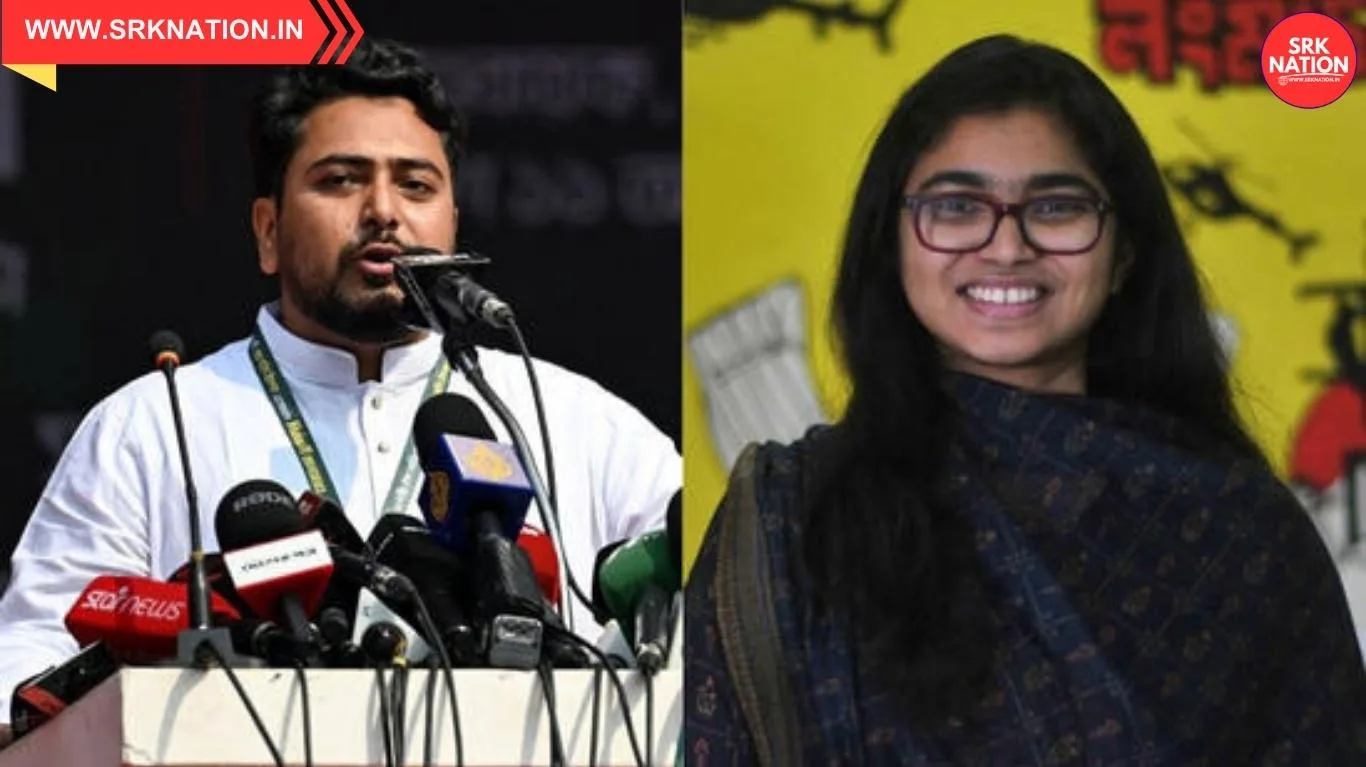
Two years after leading the July Revolution of 2024, which forced Bangladesh’s longest-serving prime minister Sheikh Hasina to resign and flee to India, several prominent student leaders are now stepping into mainstream politics. These figures, once the face of mass protests against public sector job quotas and government authoritarianism, are preparing to contest the Bangladesh general elections scheduled for February 12, 2026. Their entry marks a historic moment, as the uprising that claimed over 1,400 lives reshaped the nation’s political landscape.
Key Highlights
- Origins: The July Revolution began as student protests against job quotas but escalated into nationwide unrest.
- Impact: Sheikh Hasina resigned after weeks of violent clashes and fled to India.
- New Political Faces: Nahid Islam, Tasnim Jara, Hasnat Abdullah, and Sharif Osman Hadi emerged as leaders.
- Party Formation: Some leaders formed the National Citizens Party (NCP) to contest elections.
- Challenges: Political violence continues, with Hadi assassinated shortly after announcing his candidacy.
Analysis of Student Leaders’ Transition
| Factor | July Revolution (2024) | Elections (2026) | Outcome Expected |
|---|---|---|---|
| Leadership | Student-led protests | Leaders entering politics | Generational shift |
| Public Sentiment | Anger against Hasina regime | Hope for new leadership | Popular support |
| Organization | Informal protest networks | Formation of NCP party | Structured politics |
| Risks | Violent clashes, repression | Assassination attempts, instability | Security concerns |
| Global Perception | Youth uprising | Democratic participation | International recognition |
Profiles of Key Leaders
Nahid Islam
- Led the 2024 student protests that became the July Revolution.
- Known for fiery speeches and mobilizing thousands of students.
- Expected to contest elections under the NCP banner.
Tasnim Jara
- Medical student turned activist.
- Became a prominent voice for women in the revolution.
- Advocates healthcare reforms and youth empowerment.
Hasnat Abdullah
- One of the architects of the National Citizens Party.
- Focused on anti-corruption and transparency in governance.
- Seen as a pragmatic leader with organizational skills.
Sharif Osman Hadi
- Spokesperson of the Inqilab Moncho, a student coalition.
- Announced independent candidacy in December 2025.
- Tragically assassinated in Dhaka, raising concerns about political violence.
Comparative Analysis of Bangladesh’s Political Transition
| Period | Leadership Style | Public Response | Outcome |
|---|---|---|---|
| Sheikh Hasina Era | Authoritarian, quota-based policies | Mass protests, violent clashes | Resignation in 2024 |
| July Revolution | Student-led, grassroots | Widespread support, 1,400 deaths | Regime change |
| Elections 2026 | Youth leaders entering politics | Hope for reform, fear of violence | Democratic test |
Drivers of Student Leaders’ Rise
- Public Anger: Widespread frustration with Hasina’s governance and job quotas.
- Youth Mobilization: Students formed the backbone of the revolution.
- Symbolic Leadership: Leaders like Nahid Islam became symbols of resistance.
- Political Vacuum: Hasina’s resignation created space for new parties.
- Global Attention: International media spotlight boosted their legitimacy.
Public and Media Reaction
- Citizens: Many see the student leaders as fresh voices for democracy.
- Media: Coverage highlights both their courage and the risks of political violence.
- Analysts: Warn that lack of experience could hinder governance.
- Opposition Parties: Traditional parties wary of losing ground to youth-led movements.
Future Outlook
The entry of student leaders into Bangladesh’s elections could lead to:
- Generational Change: Youth-driven politics replacing traditional dynasties.
- Democratic Renewal: Greater participation and accountability.
- Security Challenges: Risk of violence against reformist candidates.
- Global Recognition: Bangladesh seen as embracing democratic transition.
Challenges ahead:
- Ensuring safety of candidates amid political violence.
- Building organizational capacity for governance.
- Balancing revolutionary ideals with pragmatic policymaking.
Conclusion
The student leaders who overthrew Sheikh Hasina in 2024 are now contesting the Bangladesh general elections of 2026, marking a historic shift in the nation’s politics. Figures like Nahid Islam, Tasnim Jara, and Hasnat Abdullah represent a new generation of leadership, while the assassination of Sharif Osman Hadi underscores the dangers they face. Their rise reflects both the promise and peril of Bangladesh’s democratic transition, as the country prepares for one of its most consequential elections in decades.
Disclaimer
This article is intended for informational and analytical purposes only. It summarizes publicly available updates on Bangladesh’s political transition and the role of student leaders. It does not constitute endorsement, insider information, or professional consultation. Readers are encouraged to verify facts independently and consider multiple perspectives before forming conclusions.