






In the wake of India’s independence in 1947, a burgeoning garment venture emerged with a modest investment of Rs 60,000, setting a precedent for domestic alternatives to foreign consumer brands. This historical shift toward self-reliance has recently gained renewed relevance as India strengthens its diplomatic and economic ties with Italy, signaling a transformation from post-colonial industrial infancy to a modern era of strategic international cooperation.
The Context of Economic Sovereignty
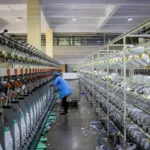
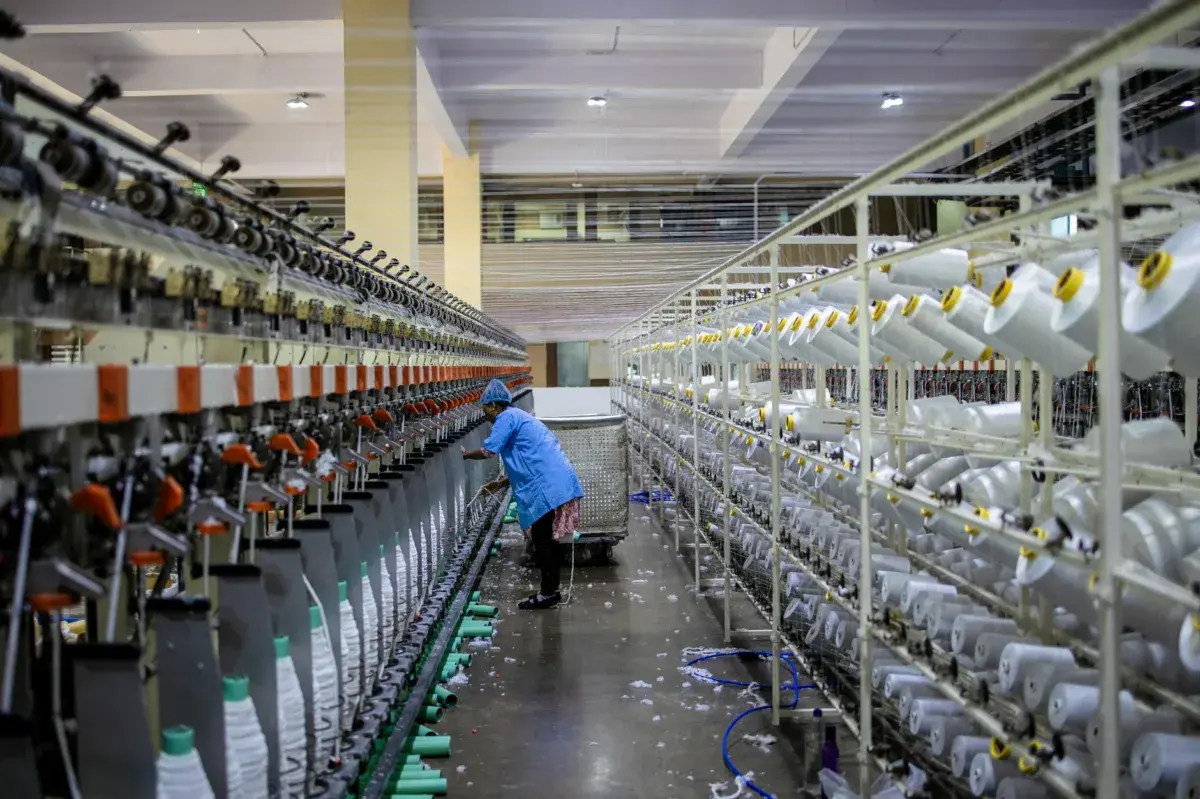
Following the partition and the birth of a new nation, the immediate post-1947 period was defined by an urgent need to reduce reliance on imported goods. Early entrepreneurs faced significant hurdles, often seeing initial ventures fail before finding success through grit and local manufacturing.
This drive for domestic production was not merely about commerce; it was a cornerstone of nation-building. By establishing indigenous alternatives to foreign labels, these early business pioneers helped stabilize the domestic economy and fostered a sense of national pride in Indian-made products.
Building Bridges with Italy
Decades later, the focus has shifted from isolationist self-reliance to global integration. During recent high-level diplomatic engagements, India and Italy elevated their relationship to a ‘Special Strategic Partnership,’ moving beyond simple trade to encompass defense, technology, and cultural exchange.
This partnership reflects a modern realization that economic strength is bolstered by global alliances. The ongoing cooperation, including discussions regarding the India-Middle East-Europe Economic Corridor, underscores India’s role as a vital nexus in international trade routes.
Expert Perspectives on Strategic Growth
Economic analysts suggest that the trajectory of Indian business has matured significantly. While 1947 required the creation of basic garment manufacturing to replace foreign imports, the current landscape requires high-tech manufacturing and strategic infrastructure development.
Data from the Ministry of External Affairs highlights that Italy remains one of India’s most important trading partners in the European Union. This collaboration is facilitated by shared interests in sustainable development, energy transition, and digital transformation, providing a stark contrast to the protectionist environment of the mid-20th century.
Future Implications for Industry
For modern entrepreneurs, the lesson remains rooted in the concept of ‘Parishram hi safalta’—hard work is the key to success. As supply chains diversify, Indian businesses are increasingly positioned to act as global hubs rather than mere domestic alternatives.
Looking ahead, observers should monitor how these bilateral agreements translate into tangible industrial output. The integration of Italian expertise with India’s growing manufacturing capacity is likely to define the next decade of industrial growth, potentially creating new benchmarks for quality and innovation in the global marketplace.