




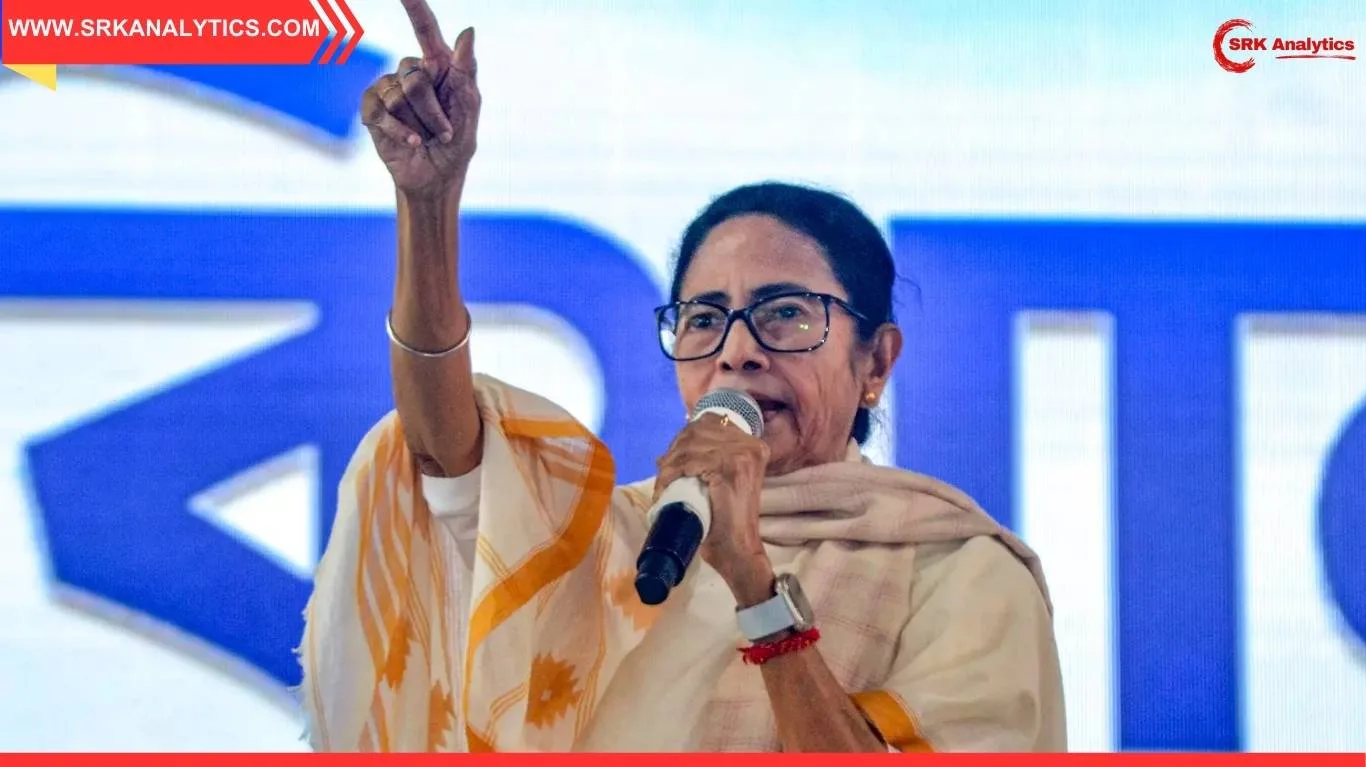
In a dramatic political development, the Trinamool Congress (TMC) has announced a door-to-door scrutiny campaign after reports surfaced that nearly 45,000 voters were deleted from the electoral rolls in Bhabanipur, the constituency represented by West Bengal Chief Minister Mamata Banerjee. The move has sparked intense debate across political circles, raising questions about voter rights, electoral transparency, and the integrity of democratic processes in India.
Background of the Controversy
- Bhabanipur, a high-profile constituency in Kolkata, has long been considered Mamata Banerjee’s political stronghold.
- Reports of mass voter deletions have triggered alarm within the TMC, which views the development as a potential attempt to weaken its electoral base.
- The Election Commission has stated that deletions are part of routine updates to remove duplicate, deceased, or shifted voters.
- TMC leaders, however, allege that the scale of deletions is unprecedented and could impact the fairness of upcoming elections.
Key Highlights of the Announcement
| Indicator | Details |
|---|---|
| Party | Trinamool Congress (TMC) |
| Action Taken | Door-to-door scrutiny campaign |
| Reason | 45,000 voters deleted from Bhabanipur |
| Leader Involved | Mamata Banerjee |
| Impact | Sparks debate on electoral transparency |
Impact of Voter Deletions
| Factor | Impact on TMC | Impact on Opposition | Impact on Voters |
|---|---|---|---|
| Political Strategy | Mobilization through scrutiny | Opportunity to question TMC | Confusion and anxiety |
| Electoral Base | Potential weakening | Possible advantage | Risk of disenfranchisement |
| Public Sentiment | Anger and suspicion | Criticism of ruling party | Demand for clarity |
| Democratic Integrity | Calls for transparency | Political blame game | Trust deficit in system |
Why This Matters
- Democratic Rights: The deletion of 45,000 voters raises concerns about disenfranchisement.
- Political Stakes: Bhabanipur is not just any constituency—it is Mamata Banerjee’s seat, making the issue highly sensitive.
- Electoral Transparency: The controversy highlights the need for greater clarity in voter list management.
- Public Confidence: Ensuring fair elections is crucial to maintaining trust in democratic institutions.
TMC’s Response
| Action | Description | Objective |
|---|---|---|
| Door-to-Door Campaign | Party workers to verify voter deletions | Restore confidence |
| Legal Measures | Exploring petitions to Election Commission | Challenge deletions |
| Public Mobilization | Engaging citizens through awareness drives | Strengthen support |
| Political Messaging | Framing issue as attack on democracy | Rally voter sentiment |
The TMC’s strategy reflects a mix of grassroots mobilization and political messaging aimed at safeguarding its electoral base.
Expert Opinions
- Political Analysts: View the controversy as a test of electoral transparency in India.
- Legal Experts: Stress the importance of due process in voter list management.
- Opposition Leaders: Accuse TMC of politicizing routine electoral updates.
- Citizens: Express concern about being unfairly removed from voter rolls.
Challenges Ahead
- Verification Process: Conducting door-to-door scrutiny for 45,000 voters is logistically complex.
- Public Trust: Restoring confidence in electoral rolls will require transparency.
- Political Polarization: The issue may deepen divisions between ruling and opposition parties.
- Administrative Burden: Election authorities face pressure to clarify and rectify discrepancies.
Opportunities for TMC
- Grassroots Engagement: Strengthening voter connect through direct outreach.
- Political Messaging: Positioning itself as defender of democratic rights.
- Mobilization: Using the issue to energize party workers and supporters.
- Electoral Advantage: Turning controversy into a rallying point for upcoming elections.
Broader Context of Electoral Reforms
- India has witnessed periodic controversies over voter list management, with allegations of mass deletions in several states.
- The Election Commission has emphasized the need to maintain accurate rolls, citing migration and duplication as key reasons for deletions.
- Political parties often view such updates through the lens of electoral strategy, leading to disputes and demands for reforms.
- The Bhabanipur case underscores the importance of balancing accuracy with inclusivity in voter list management.
Public Sentiment
- Citizens in Bhabanipur expressed shock and confusion over being removed from voter lists.
- Social media platforms saw heated debates, with hashtags demanding transparency trending widely.
- Supporters of TMC rallied behind Mamata Banerjee, framing the issue as an attack on democracy.
- Opposition voices accused TMC of exaggerating the issue for political gain.
Conclusion
The revelation that 45,000 voters were deleted from Bhabanipur has triggered a political storm in West Bengal. The TMC’s decision to conduct door-to-door scrutiny reflects both a defensive strategy and a proactive attempt to safeguard democratic rights. As Mamata Banerjee’s constituency, Bhabanipur holds symbolic importance, making the controversy a focal point in India’s broader debate on electoral transparency. Whether the issue leads to reforms or deepens political polarization, it underscores the critical need for trust, clarity, and accountability in India’s democratic processes.
Disclaimer
This article is intended for informational purposes only and does not constitute political or legal advice. Electoral processes, voter list updates, and political strategies are subject to change based on evolving circumstances. Readers are encouraged to follow official updates for accurate information. The author and publisher are not responsible for any decisions made based on this article.