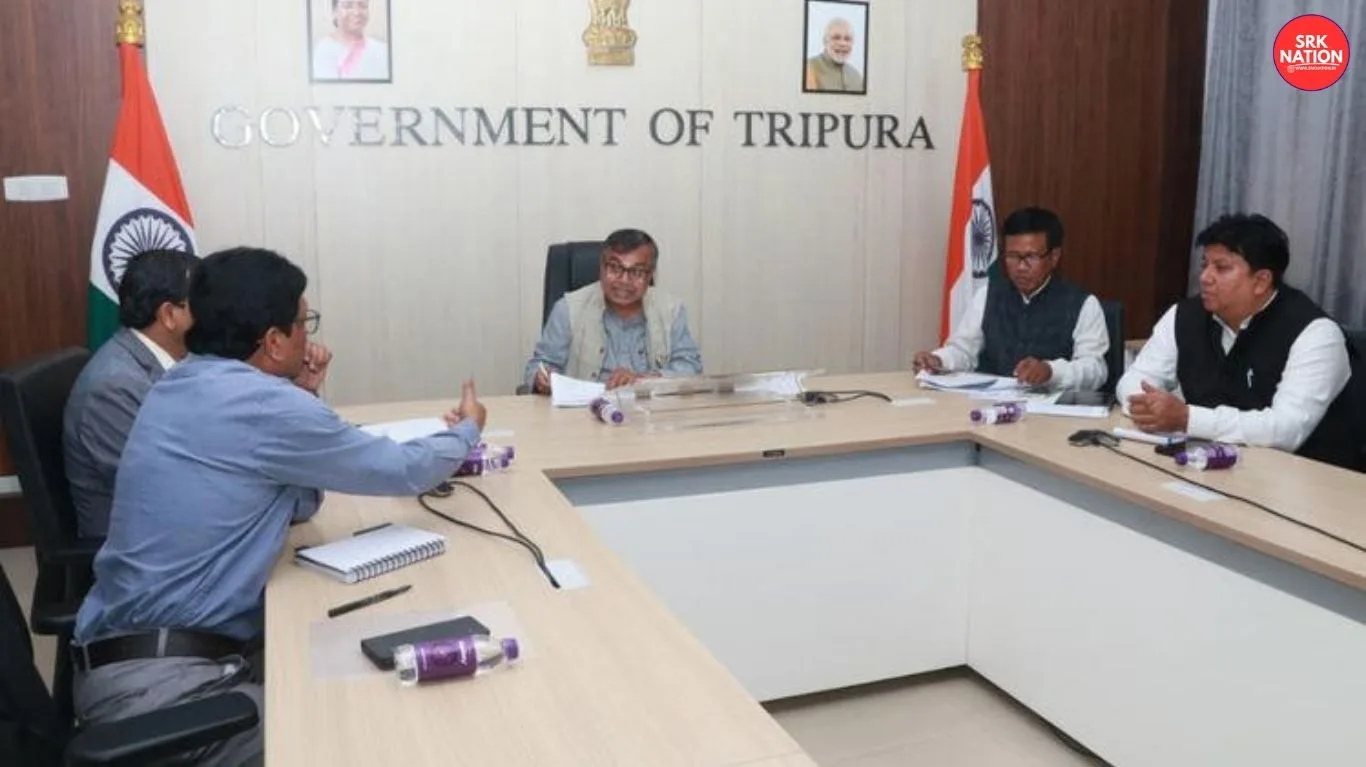




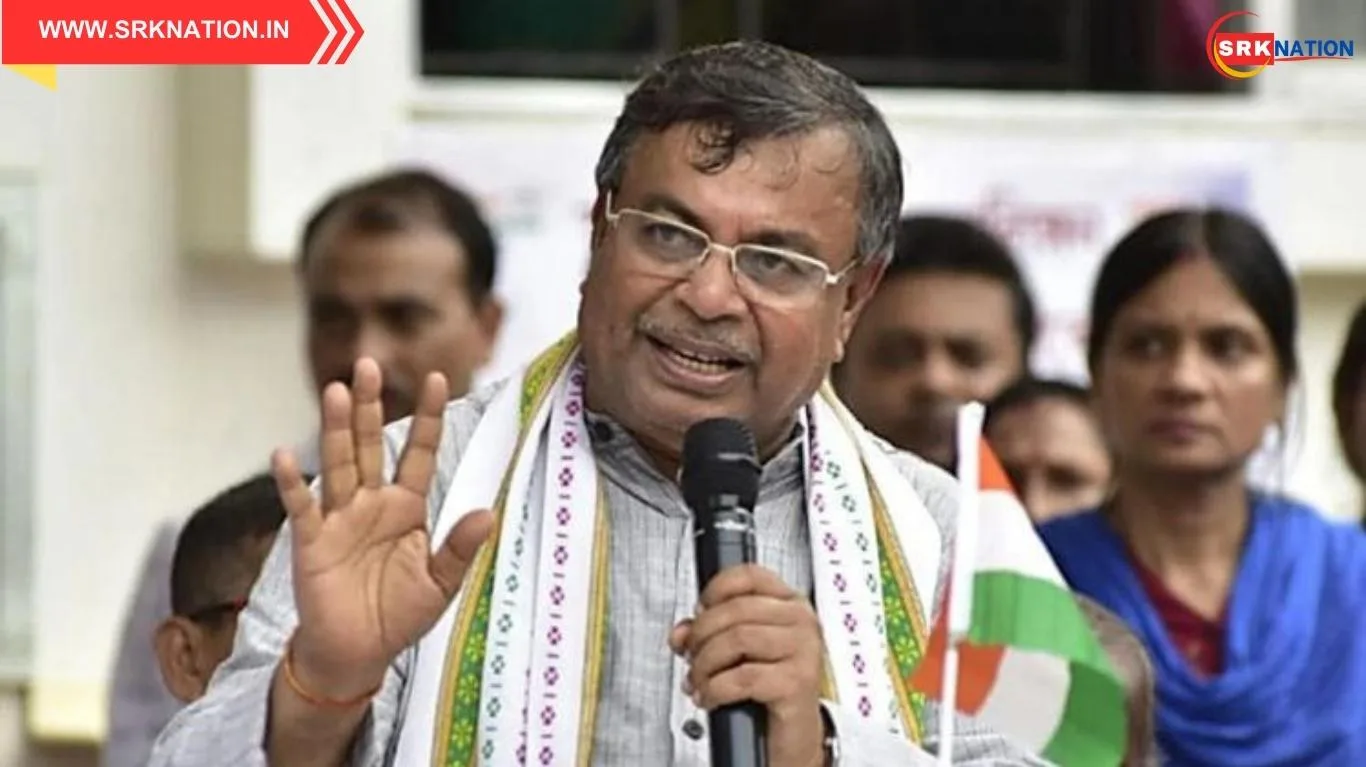
Tripura has taken a significant step toward renewable energy expansion by identifying 10 river sites across the state for the development of hydrokinetic power projects with a combined capacity of 185 MW, according to the state’s Power Minister. This initiative marks a milestone in Tripura’s energy roadmap, aiming to harness the untapped potential of river currents to generate clean electricity.
Background of the Initiative
- Hydrokinetic power refers to electricity generated from the natural flow of rivers without the need for large dams or reservoirs.
- Tripura, blessed with numerous rivers and streams, has long been considered suitable for such projects.
- The state government’s identification of 10 sites reflects its commitment to sustainable energy and reducing dependence on fossil fuels.
- The projects are expected to contribute significantly to Tripura’s renewable energy targets and support India’s broader climate goals.
Key Highlights of the Announcement
| Indicator | Details |
|---|---|
| State | Tripura |
| Number of Sites Identified | 10 |
| Total Capacity | 185 MW |
| Technology | Hydrokinetic (river current-based) |
| Announced By | Power Minister |
| Objective | Expand renewable energy, reduce carbon footprint |
Implications of Hydrokinetic Projects in Tripura
| Factor | Positive Impact | Challenges | Long-Term Implication |
|---|---|---|---|
| Renewable Energy Growth | Adds 185 MW clean power | Requires advanced technology | Strengthens Tripura’s green energy profile |
| Environmental Benefits | Minimal ecological disruption | Monitoring aquatic ecosystems | Promotes sustainable development |
| Economic Opportunities | Job creation, local industry boost | Initial investment costs | Enhances regional economy |
| Energy Security | Reduces reliance on fossil fuels | Seasonal river flow variations | Ensures stable power supply |
| National Goals | Supports India’s climate commitments | Coordination with central agencies | Positions Tripura as renewable energy leader |
Why This Story Matters
- Clean Energy Expansion: Tripura’s move aligns with India’s renewable energy mission.
- Regional Development: The projects will boost local economies and create employment.
- Environmental Sustainability: Hydrokinetic power has minimal ecological impact compared to traditional hydropower.
- Energy Security: Adds resilience to Tripura’s power grid.
- National Significance: Reinforces India’s commitment to achieving net-zero emissions.
Identified River Sites
| River Site | Estimated Capacity (MW) |
|---|---|
| Gomati River | 25 MW |
| Manu River | 20 MW |
| Haora River | 15 MW |
| Khowai River | 18 MW |
| Deo River | 22 MW |
| Longai River | 20 MW |
| Muhuri River | 15 MW |
| Feni River | 10 MW |
| Juri River | 20 MW |
| Sumli River | 20 MW |
| Total | 185 MW |
These sites were selected based on river flow, ecological feasibility, and proximity to demand centers.
Expert Opinions
- Energy Analysts: Applaud Tripura’s focus on hydrokinetic power as a sustainable alternative.
- Environmentalists: Highlight the minimal ecological footprint compared to large dams.
- Economists: Emphasize the potential for job creation and regional growth.
- Critics: Warn of challenges in technology adoption and seasonal variations in river flow.
Challenges Ahead
- Technology Adoption: Hydrokinetic systems require advanced engineering and maintenance.
- Seasonal Variations: River flows fluctuate, impacting power generation.
- Investment Needs: Initial costs may be high, requiring public-private partnerships.
- Grid Integration: Ensuring smooth integration with Tripura’s existing power infrastructure.
- Monitoring Ecosystems: Continuous assessment of aquatic biodiversity is essential.
Opportunities for Tripura
- Green Energy Leadership: Position Tripura as a pioneer in hydrokinetic power.
- Economic Growth: Boost local industries and create employment opportunities.
- Tourism Potential: Showcase renewable energy projects as eco-tourism attractions.
- Educational Impact: Inspire research and innovation in renewable energy technologies.
- National Contribution: Strengthen India’s renewable energy portfolio.
Broader Context of Renewable Energy in India
- India has set ambitious targets to achieve 500 GW of renewable energy capacity by 2030.
- Hydrokinetic power offers a niche but promising contribution to this goal.
- Tripura’s initiative reflects the growing role of northeastern states in India’s energy transition.
- The projects highlight the importance of regional innovation in achieving national climate commitments.
Public Sentiment
- Citizens welcomed the announcement, seeing it as a step toward sustainable development.
- Local communities expressed optimism about job creation and infrastructure growth.
- Environmental groups praised the minimal ecological impact of hydrokinetic power.
- Social media discussions reflected pride in Tripura’s leadership in renewable energy.
Media Coverage
- News outlets highlighted the announcement as a landmark in Tripura’s energy journey.
- Analysts debated the feasibility of hydrokinetic projects in India’s broader energy mix.
- Coverage emphasized the potential for northeastern states to lead in renewable energy.
- The story continues to dominate discussions in energy and environmental circles.
Conclusion
The identification of 10 river sites for 185 MW hydrokinetic power projects in Tripura marks a transformative step in the state’s renewable energy journey. By harnessing the natural flow of rivers, Tripura aims to generate clean electricity with minimal ecological disruption. While challenges in technology and investment remain, the opportunities for sustainable growth, energy security, and environmental preservation are immense. This initiative positions Tripura as a leader in India’s green energy transition, reinforcing the state’s commitment to a sustainable future.
Disclaimer
This article is intended for informational purposes only and does not constitute official policy advice. Government initiatives, energy projects, and public sentiments are subject to change based on evolving circumstances. Readers are encouraged to follow official updates for accurate information. The author and publisher are not responsible for any decisions made based on this article.