

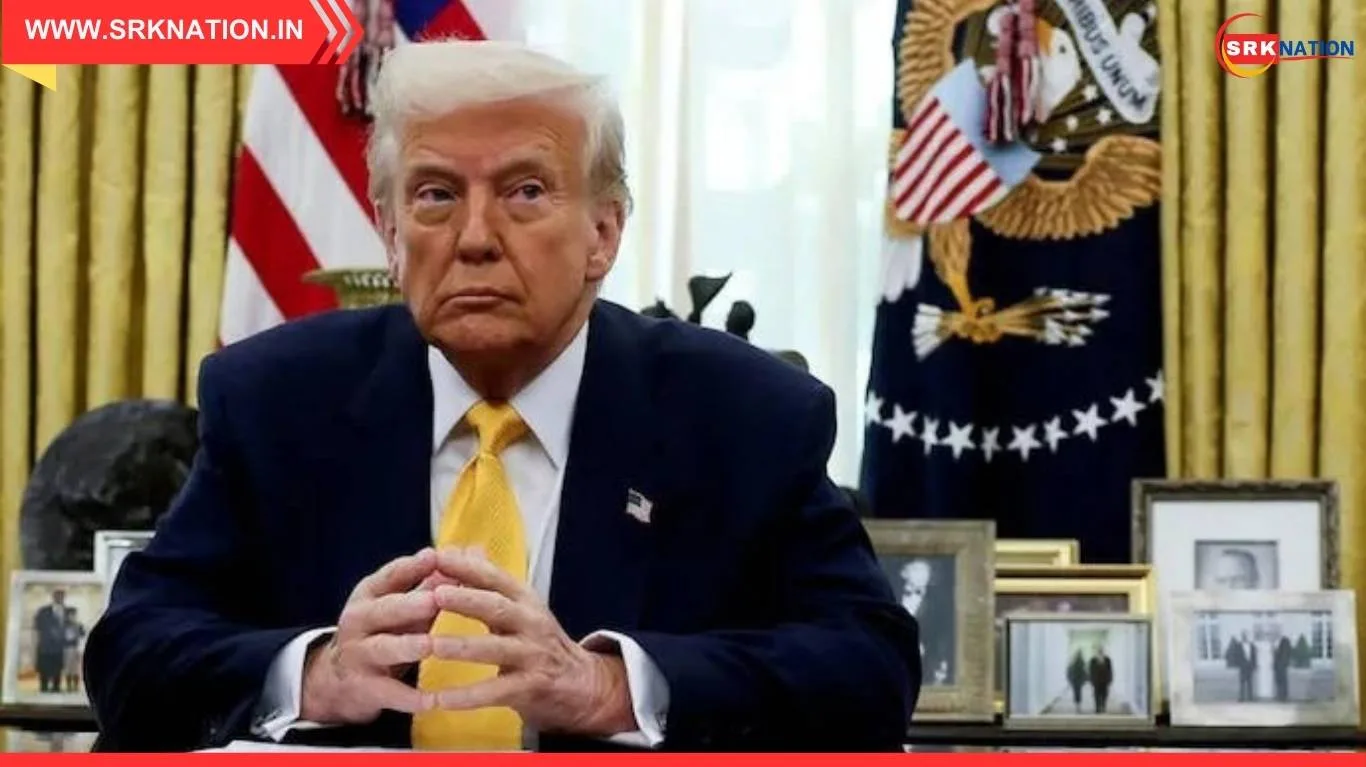
In a significant policy move, President Donald Trump has signed a new executive order aimed at further restricting the entry of foreign nationals into the United States. The decision, announced from the White House, has sparked widespread debate across political, economic, and social circles. The order builds upon earlier immigration policies and is expected to have far-reaching implications for international travelers, businesses, and diplomatic relations.
Background of the Executive Order
- The Trump administration has consistently emphasized stricter immigration controls as part of its national security and economic agenda.
- Previous measures included travel bans, enhanced visa scrutiny, and restrictions on work permits.
- The latest order expands these restrictions, targeting specific categories of foreign nationals deemed to pose risks to national security or economic stability.
- The move comes amid heightened global migration pressures and domestic debates over employment and border security.
Key Highlights of the Order
| Indicator | Details |
|---|---|
| Authority | Executive Order signed by President Trump |
| Focus | Restricting entry of foreign nationals |
| Scope | Expanded categories of visas and entry permits |
| Objective | Strengthen national security, protect domestic workforce |
| Immediate Impact | Heightened scrutiny at borders and consulates |
Impact of the Immigration Order
| Factor | Impact on US Government | Impact on Foreign Nationals | Global Implication |
|---|---|---|---|
| National Security | Enhanced border control | Increased entry restrictions | Strained diplomatic ties |
| Employment | Protects domestic jobs | Limits foreign workforce opportunities | Global talent mobility affected |
| Business Environment | Mixed response from industries | Challenges for multinational firms | Potential slowdown in global trade |
| Public Sentiment | Divided opinions | Concerns among immigrant communities | International criticism |
Why This Order Matters
- National Security: The administration argues that stricter entry controls are necessary to safeguard the country.
- Economic Protection: The order is positioned as a measure to protect American jobs from foreign competition.
- Diplomatic Relations: The move could strain ties with countries whose citizens face restrictions.
- Public Debate: Immigration remains one of the most polarizing issues in US politics, making this order highly significant.
Categories of Restrictions
| Category | Description | Impact |
|---|---|---|
| Work Visas | Stricter eligibility for H-1B and similar permits | Limits foreign professionals |
| Student Visas | Enhanced scrutiny of applicants | Potential decline in international students |
| Refugee Admissions | Reduced quotas | Humanitarian concerns |
| Tourist Visas | Heightened background checks | Longer processing times |
The order affects multiple categories of visas, signaling a comprehensive tightening of entry rules.
Expert Opinions
- Policy Analysts: View the order as a continuation of Trump’s hardline stance on immigration.
- Business Leaders: Express concern about the impact on industries reliant on foreign talent.
- Human Rights Advocates: Criticize the restrictions as discriminatory and harmful to global humanitarian efforts.
- Supporters: Argue that the order protects American workers and strengthens national security.
Challenges Ahead
- Legal Battles: The order is likely to face challenges in courts, as previous immigration measures did.
- Economic Impact: Industries such as technology, healthcare, and education may struggle to fill skill gaps.
- Diplomatic Fallout: Countries affected by the restrictions may retaliate with reciprocal measures.
- Public Division: Immigration policy continues to polarize American society.
Opportunities for the US Government
- Strengthening Security: Enhanced vetting processes may reduce risks.
- Domestic Employment: Potential boost to local workforce participation.
- Policy Messaging: Reinforces the administration’s commitment to its core agenda.
- Negotiation Leverage: Could be used in trade and diplomatic negotiations.
Broader Context of Immigration Policy
- Immigration has long been a defining issue in US politics, shaping elections and policy debates.
- Trump’s administration has consistently pursued stricter controls, citing security and economic concerns.
- The latest order reflects continuity in this approach, with expanded scope and stricter enforcement.
- The global context of migration, refugee crises, and labor mobility adds complexity to the issue.
Public Sentiment
- Supporters of the administration welcomed the order as a necessary step to protect American interests.
- Critics argued that the restrictions harm the country’s image as a land of opportunity.
- Social media discussions reflected sharp divisions, with debates over security, economy, and humanitarian values.
- Immigrant communities expressed anxiety over the potential impact on families and livelihoods.
Conclusion
President Donald Trump’s executive order to further restrict the entry of foreign nationals marks a pivotal moment in US immigration policy. While supporters hail it as a measure to protect national security and domestic jobs, critics warn of economic disruptions, humanitarian concerns, and diplomatic fallout. As legal challenges and public debates unfold, the order will remain a focal point in discussions about America’s identity, values, and role in the global community.
Disclaimer
This article is intended for informational purposes only and does not constitute legal or immigration advice. Policies, regulations, and political decisions are subject to change based on evolving circumstances. Readers are encouraged to follow official updates for accurate information. The author and publisher are not responsible for any decisions made based on this article.