







Since February 4, the United States military and intelligence agencies have conducted over 150 hours of surveillance flights using both drones and crewed aircraft off the coast of Cuba. These operations, tracked by open-source intelligence analysts, signal a heightened level of monitoring of the island nation, reflecting ongoing geopolitical tensions between Washington and Havana.
The Context of Caribbean Security
The Caribbean has long been a theater of strategic interest for the U.S. due to its proximity to the American mainland and the historical presence of geopolitical rivals. Relations between the U.S. and Cuba remain strained, characterized by decades of economic sanctions and diplomatic friction.
Recent years have seen reports of increased foreign military cooperation in the region, including visits by Russian naval vessels to Havana. These developments have prompted U.S. defense officials to prioritize intelligence gathering to better understand regional military activity.
Patterns in Aerial Reconnaissance
Data derived from flight-tracking platforms indicates that various types of specialized aircraft have been involved in these sorties. These include the RQ-4 Global Hawk, a high-altitude, long-endurance drone capable of persistent surveillance, and crewed turboprop aircraft designed for signal intelligence gathering.
The flight paths primarily follow the northern and western coasts of Cuba. By maintaining a constant aerial presence, the U.S. military can monitor maritime traffic, communications signals, and potential military movements that might otherwise go undetected.
Expert Perspectives on Strategic Posture
Defense analysts suggest that these flights serve as both a tactical tool and a strategic signal. Dr. Elena Rodriguez, a senior fellow at a Washington-based security think tank, notes that persistent surveillance is standard practice when a government seeks to deter potential adversaries from expanding their military footprint in the Western Hemisphere.
“The objective is situational awareness,” Rodriguez stated. “By maintaining eyes on the region, the U.S. military reduces the likelihood of surprise maneuvers by foreign actors utilizing Cuban territory or territorial waters as a base of operations.”
Broader Geopolitical Implications
For the average reader, these flights represent the quiet, often unseen side of international diplomacy and defense. The sustained nature of these missions suggests that the U.S. government views the current security environment as requiring active, ongoing oversight rather than passive observation.
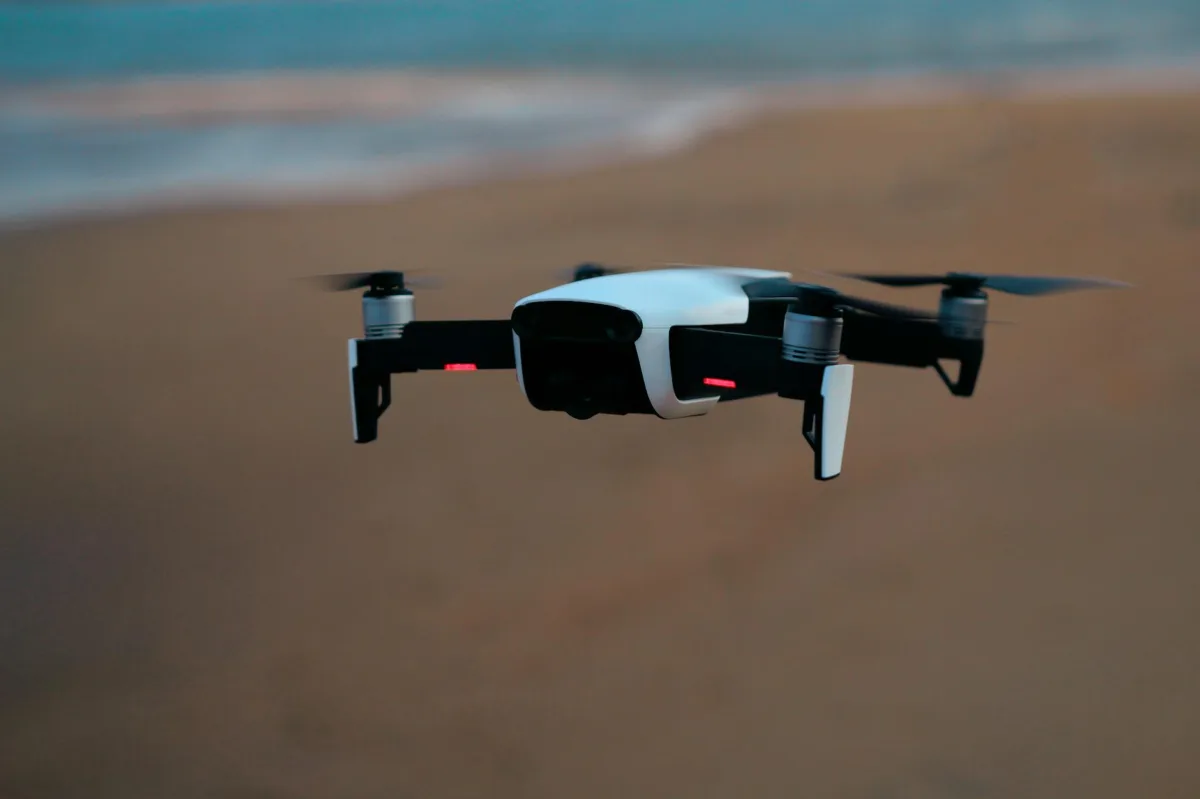
Industry observers note that the reliance on unmanned aerial systems for these missions highlights a shift toward cost-effective, long-duration surveillance. This capability allows the Department of Defense to project power and maintain monitoring capabilities without the risks associated with larger, more vulnerable platforms.
Looking ahead, observers should watch for shifts in the frequency of these flights, which could indicate a change in intelligence priorities. Furthermore, any official response from the Cuban government or its international partners regarding the proximity of these aircraft will be a critical metric in assessing the potential for escalation or diplomatic friction in the coming months.