

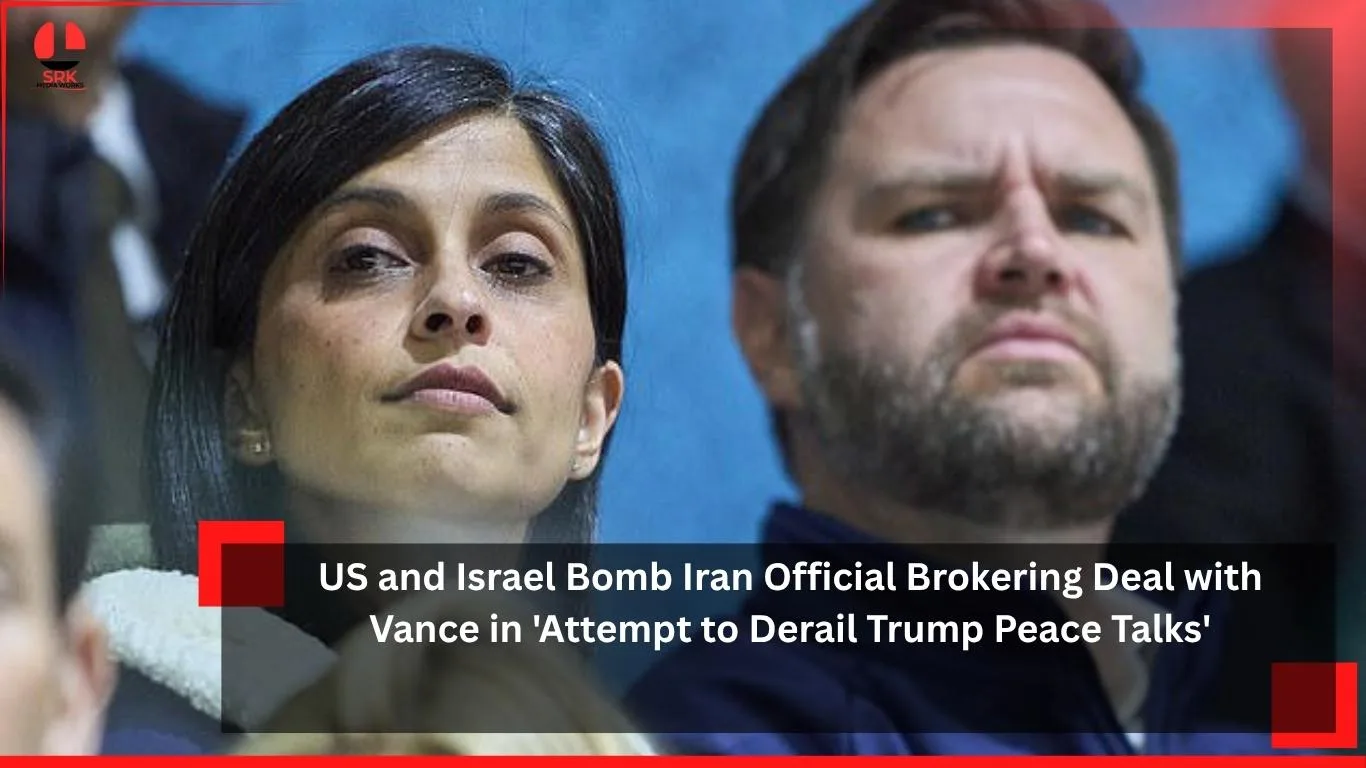
In a dramatic escalation of tensions, reports indicate that the United States and Israel carried out coordinated strikes targeting an Iranian official who was allegedly brokering a deal with Vance. The attack is being described by analysts as an “attempt to derail Trump peace talks,” raising questions about the future of negotiations and the stability of the region. The incident underscores the fragile balance between diplomacy and military action in West Asia, where every move carries global consequences.
Background of the Strikes
The targeted Iranian official was reportedly engaged in backchannel negotiations aimed at facilitating dialogue with U.S. representatives, including Vance. The strikes, carried out jointly by U.S. and Israeli forces, have been interpreted as a direct message to Tehran and a warning against pursuing independent diplomatic channels. The timing of the attack, coinciding with Trump’s push for peace talks, has fueled speculation about internal divisions within the broader geopolitical strategy.
Key Highlights
- Targeted Strike: U.S. and Israeli forces bombed an Iranian official involved in negotiations.
- Peace Talks Impact: Analysts suggest the strike was intended to undermine Trump’s diplomatic initiative.
- Regional Tensions: The incident has heightened fears of escalation in West Asia.
- Global Concern: International observers warn of destabilization and potential fallout for energy markets.
Comparative Analysis of US-Israel Actions
| Year | Targeted Action | Strategic Objective | Diplomatic Outcome |
|---|---|---|---|
| 2024 | Strike on militia bases | Weaken Iran-backed groups | Escalated tensions |
| 2025 | Cyber operations | Disrupt Iranian networks | Limited talks |
| 2026 | Bombing of Iranian official | Derail peace negotiations | Diplomatic uncertainty |
This comparative view shows how U.S.-Israel actions have consistently targeted Iranian assets, often complicating diplomatic efforts.
Sector-Wise Impact of the Strikes
| Sector | Impact Level | Key Issues |
|---|---|---|
| Diplomacy | Very High | Undermined peace talks, strained negotiations |
| Security | Very High | Increased risk of retaliation |
| Energy Markets | High | Potential disruptions in oil supply |
| Public Perception | High | Concerns about credibility of peace efforts |
| Regional Stability | Very High | Risk of escalation across West Asia |
Analytical Pivot
| Year | US-Iran Relations | Israeli Involvement | Peace Talks Status |
|---|---|---|---|
| 2024 | Hostile | Limited strikes | No formal talks |
| 2025 | Tense | Cyber operations | Informal contacts |
| 2026 | Critical | Joint bombing | Talks derailed |
This pivot analysis highlights how joint military actions have repeatedly disrupted diplomatic progress.
International Reactions
- United Nations: Called for restraint and urged all parties to prioritize dialogue.
- European Union: Expressed concern over the impact on Trump’s peace initiative.
- Middle Eastern Nations: Closely monitoring developments, fearing spillover effects.
- Global Analysts: Warned that the strike could embolden hardliners in Tehran and weaken moderates seeking negotiation.
Possible Scenarios
- Escalation: Iran retaliates, leading to further military confrontation.
- Diplomatic Breakdown: Peace talks collapse, prolonging instability.
- Renewed Engagement: International pressure forces parties back to the negotiating table.
Future Outlook
Experts predict that the coming weeks will be decisive in determining whether Trump’s peace talks can survive the fallout. The bombing of an Iranian official directly involved in negotiations has cast doubt on the viability of diplomacy. However, global pressure for stability may yet push both sides toward renewed dialogue.
Conclusion
The joint U.S.-Israel strike on an Iranian official brokering a deal with Vance represents a significant setback for Trump’s peace talks. While the attack demonstrates military resolve, it undermines diplomatic efforts and risks escalating tensions in West Asia. The incident highlights the delicate balance between force and negotiation, with global stability hanging in the balance.
Disclaimer
This article is intended for informational purposes only. The content reflects current geopolitical developments and analysis based on publicly available information. Readers should not interpret this as verified fact or official policy guidance. While accuracy has been prioritized, future developments may alter the situation. Independent verification is recommended before drawing conclusions.