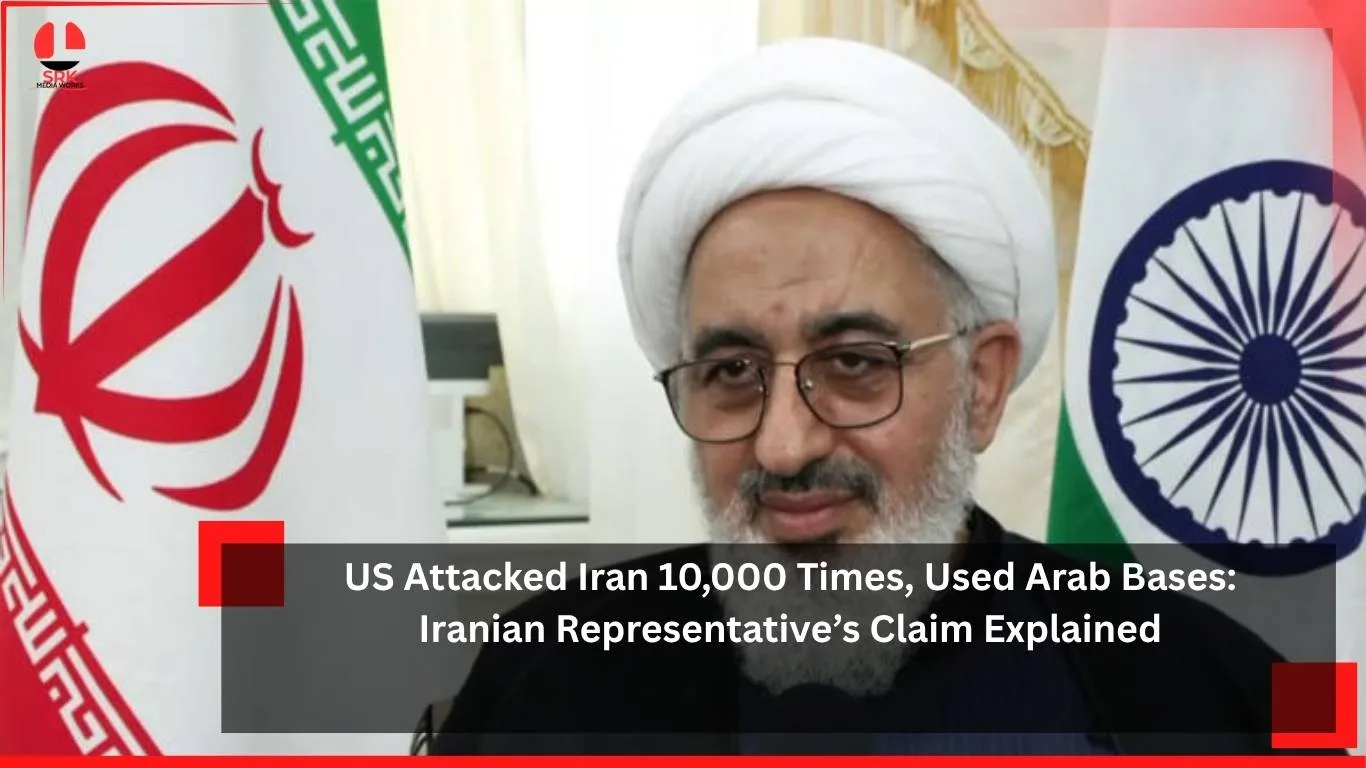
A senior Iranian representative has alleged that the United States carried out 10,000 attacks on Iran using Arab bases, a statement that has reignited debates about the scale of US military operations in the Middle East. While the figure is contested, the claim underscores Tehran’s narrative of being under constant threat from Washington and its regional allies. This article explores the background, implications, and geopolitical context of the allegation.
The Claim and Its Context
Iranian officials have often accused the US of using bases in Arab countries — particularly in the Gulf — to launch military operations against Iran. The latest claim of 10,000 attacks is framed as evidence of:
- Persistent US aggression in the region.
- Arab complicity through hosting American bases.
- Iran’s resilience in the face of sustained pressure.
Though the number may be symbolic or exaggerated, it reflects Iran’s attempt to highlight the scale of perceived hostility.
US Military Presence in Arab States
The United States maintains bases across the Middle East, including in:
- Qatar (Al Udeid Air Base): A major hub for US Central Command.
- Bahrain: Headquarters of the US Navy’s Fifth Fleet.
- Saudi Arabia: Hosting US forces intermittently, especially during crises.
- United Arab Emirates: Strategic air bases used for surveillance and strikes.
- Kuwait: A key logistics and troop deployment center.
These bases provide Washington with the ability to project power rapidly across the region, including toward Iran.
Comparative Analysis: Iran vs. US-Arab Alliance
| Dimension | Iran’s Position | US-Arab Alliance Position |
|---|---|---|
| Military Capability | Missiles, drones, proxy forces | Advanced air power, bases, naval fleets |
| Narrative | Victim of aggression | Defender of regional stability |
| Regional Allies | Syria, Hezbollah, Houthis | Saudi Arabia, UAE, Bahrain, Israel |
| Global Support | Russia, China | NATO allies, Western powers |
Pivot Analysis: Symbolism vs. Reality
| Factor | Symbolic Claim (10,000 Attacks) | Reality Check |
|---|---|---|
| Scale | Suggests overwhelming aggression | Actual number likely lower |
| Purpose | Rally domestic and regional support | Highlight US military footprint |
| Impact | Fuels anti-US sentiment | Reinforces debate on US presence |
| Diplomatic Outcome | Strengthens Iran’s narrative | Challenges credibility of figures |
Regional Reactions
- Iran: Uses the claim to reinforce its narrative of resistance.
- Arab States: Avoid direct acknowledgment, emphasizing defense cooperation with the US.
- United States: Denies exaggerated figures, frames operations as defensive.
- Global Powers: Russia and China highlight the claim to criticize US interventionism.
Why the Claim Matters
Even if the number is disputed, the allegation has strategic importance:
- Domestic Politics: Strengthens Iran’s image of resilience.
- Regional Diplomacy: Pressures Arab states by portraying them as complicit.
- Global Narrative: Fuels debates about US military overreach.
Future Outlook
The claim of 10,000 attacks will likely remain part of Iran’s political rhetoric. However, the broader issue is the continued US military presence in Arab states, which ensures that tensions with Iran remain high. The future will depend on:
- Diplomatic negotiations between Washington and Tehran.
- Arab states’ balancing act between US security guarantees and regional stability.
- Iran’s alliances with Russia and China, which may counterbalance US influence.
Conclusion
The allegation that the US attacked Iran 10,000 times using Arab bases reflects more than just numbers — it is a political statement designed to highlight Iran’s narrative of resistance and US aggression. While the figure itself may be symbolic, the reality of sustained US military presence in Arab states is undeniable. This dynamic continues to shape Middle Eastern geopolitics, ensuring that tensions between Washington and Tehran remain a defining feature of the region.
Disclaimer
This article is an analytical overview based on geopolitical assessments and publicly available information. It does not endorse or criticize any nation or political leader. The content is intended for informational and educational purposes only, and readers should consider multiple perspectives before forming conclusions.