





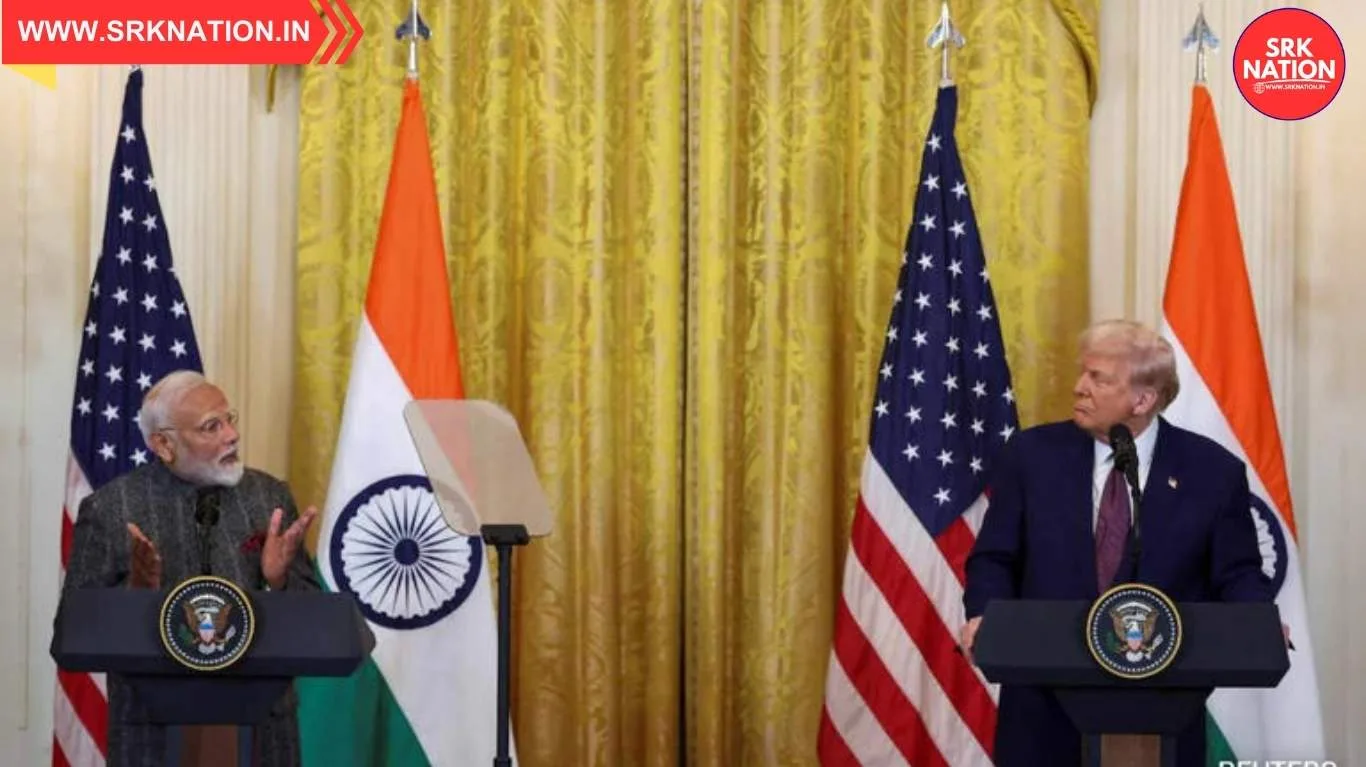
In a landmark development, the United States and India have agreed on an interim trade deal that reduces tariffs to 18%, signaling a major reset in bilateral economic relations. The agreement, finalized after months of negotiations, is expected to boost trade flows, strengthen strategic ties, and provide relief to industries on both sides.
Background of US-India Trade Relations
The US and India have long shared a complex trade relationship marked by cooperation and disputes. Tariffs, intellectual property rights, and market access have often been sticking points. The new interim deal aims to address immediate concerns while paving the way for a comprehensive free trade agreement in the future.
Key Highlights of the Interim Trade Deal
- Tariff Reduction: Average tariffs cut to 18%, easing costs for exporters and importers.
- Market Access: Greater access for US agricultural products and Indian pharmaceuticals.
- Technology Cooperation: Enhanced collaboration in digital trade and AI-driven industries.
- Energy Partnership: Expanded cooperation in clean energy and LNG exports.
- Strategic Reset: Deal seen as part of broader geopolitical alignment.
| Sector | Previous Tariff (%) | New Tariff (%) | Impact |
|---|---|---|---|
| Agriculture | 25 | 18 | Boost to US exports |
| Pharmaceuticals | 22 | 18 | Relief for Indian firms |
| Textiles | 20 | 18 | Competitive edge for India |
| Technology Goods | 24 | 18 | Lower costs for consumers |
| Energy Imports | 21 | 18 | Strengthened energy ties |
Analysis of the Deal
| Factor | Traditional Challenge | Current Scenario (2026) | Outcome Observed |
|---|---|---|---|
| Tariff Barriers | High tariffs restricted trade | Tariffs reduced to 18% | Trade boost |
| Market Access | Limited opportunities | Expanded access for key sectors | Mutual benefit |
| Strategic Relations | Trade disputes strained ties | Interim deal resets relations | Positive momentum |
| Industry Impact | Rising costs for businesses | Lower tariffs ease burden | Growth potential |
| Global Positioning | Competing trade blocs | US-India alignment strengthens | Geopolitical leverage |
Impact on Industries
The deal is expected to have wide-ranging effects across industries:
- Agriculture: US farmers gain better access to Indian markets.
- Pharmaceuticals: Indian drug manufacturers benefit from reduced tariffs in the US.
- Textiles: Indian exporters gain competitiveness in global markets.
- Technology: Lower tariffs on electronics and digital goods benefit consumers.
- Energy: Strengthened cooperation in LNG and renewable energy.
Political and Strategic Dimensions
The interim deal is not just about economics—it reflects a strategic reset in US-India relations. Both nations are keen to counterbalance China’s growing influence in global trade. The agreement also strengthens cooperation in defense, technology, and energy, aligning with broader geopolitical goals.
Public and Market Reaction
Markets responded positively to the announcement, with stocks in agriculture, pharmaceuticals, and technology sectors showing gains. Industry leaders welcomed the tariff cuts, while analysts noted that the deal could serve as a stepping stone toward a comprehensive free trade agreement.
Future Outlook
The interim deal is expected to pave the way for deeper cooperation:
- Negotiations for a full free trade agreement.
- Expansion of digital trade and AI collaboration.
- Strengthened energy and climate partnerships.
- Greater geopolitical alignment in Indo-Pacific strategy.
Conclusion
The US-India interim trade deal, with tariffs reduced to 18%, marks a significant reset in bilateral economic relations. By easing trade barriers and expanding market access, the agreement benefits industries on both sides while reinforcing strategic ties. As negotiations continue toward a comprehensive agreement, this interim deal sets the stage for a stronger, more resilient partnership between the world’s two largest democracies.
Disclaimer
This article is intended for informational and analytical purposes only. It summarizes publicly available economic and political developments. It does not constitute financial advice, investment recommendations, or professional consultation. Readers are encouraged to verify facts independently and consult experts before making economic or trade-related decisions.