




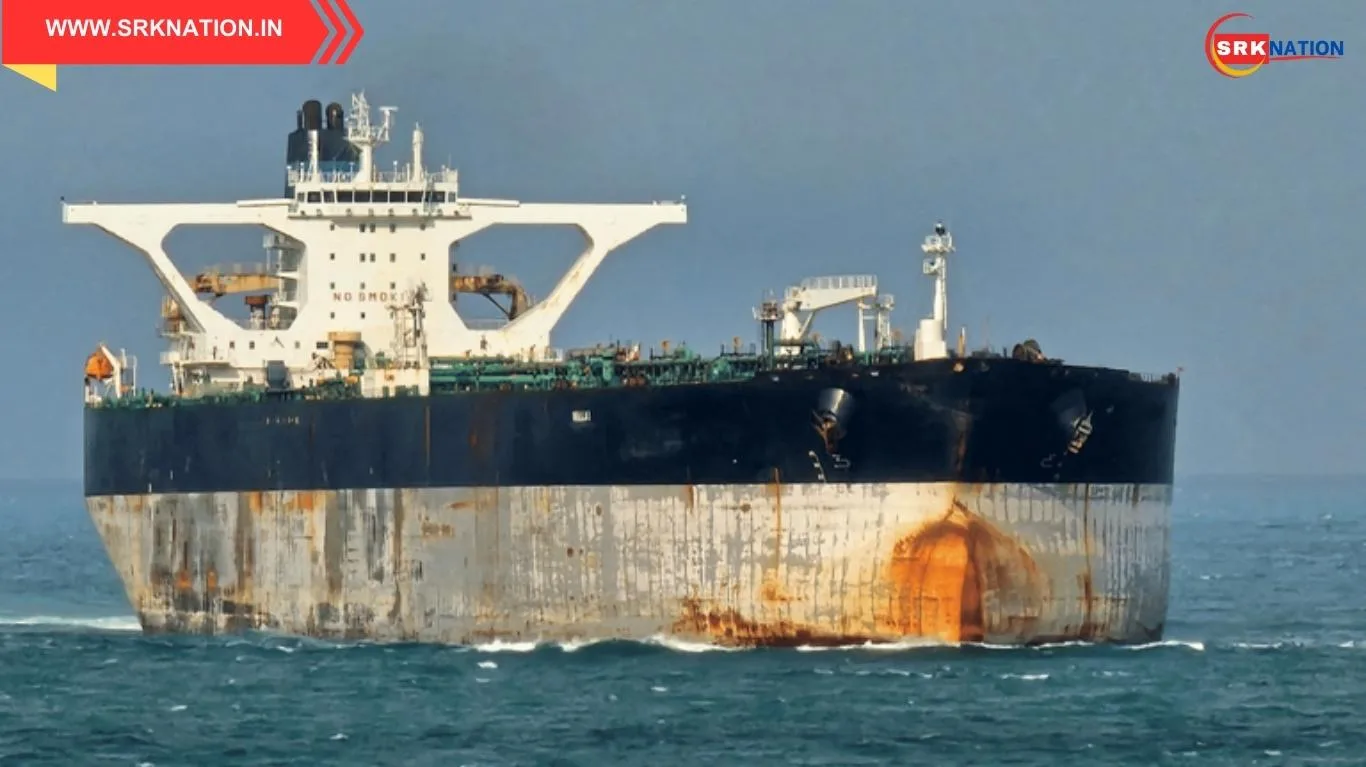
In a dramatic escalation of global maritime tensions, the United States has seized a Russian-flagged tanker in the Atlantic Ocean carrying Venezuelan oil, citing violations of international sanctions. The move has triggered a sharp response from Moscow, which condemned the action as “illegal piracy” and vowed to retaliate diplomatically. The incident underscores the growing friction between Washington, Moscow, and Caracas, while raising questions about the future of global energy trade and maritime security.
Background of the Seizure
- The tanker, flagged under Russia, was reportedly transporting Venezuelan crude oil to undisclosed buyers.
- US authorities intercepted the vessel in the Atlantic, claiming it violated sanctions imposed on Venezuela’s oil exports.
- Washington has long targeted Venezuela’s oil industry, accusing it of funding the regime of Nicolás Maduro.
- Russia, a key ally of Venezuela, has supported Caracas by facilitating oil exports despite sanctions.
- The seizure marks one of the most high-profile maritime enforcement actions in recent years.
Key Highlights of the Incident
| Indicator | Details |
|---|---|
| Vessel | Russian-flagged tanker |
| Cargo | Venezuelan crude oil |
| Location | Atlantic Ocean |
| US Justification | Enforcement of sanctions against Venezuela |
| Moscow’s Response | Condemned as “piracy,” vowed diplomatic retaliation |
| Broader Impact | Escalates tensions in global energy trade and maritime security |
US Seizure vs Moscow’s Response
| Factor | US Position | Moscow’s Position | Global Implication |
|---|---|---|---|
| Legal Justification | Enforcement of sanctions | Labels action as illegal piracy | Raises debate on maritime law |
| Political Narrative | Targeting Maduro regime | Defending sovereignty and allies | Deepens geopolitical divide |
| Energy Trade | Blocking Venezuelan oil exports | Ensuring oil flows despite sanctions | Disrupts global supply chains |
| Diplomatic Fallout | Assertive enforcement | Threatens retaliation | Strains US-Russia relations |
| Long-Term Outlook | Continued sanctions enforcement | Possible countermeasures | Heightened risk of maritime confrontations |
Why This Story Matters
- Global Energy Trade: Venezuelan oil remains a critical resource, and its restricted flow impacts global markets.
- Maritime Security: The seizure highlights the growing militarization of sea lanes.
- Geopolitical Rivalry: Reflects deepening tensions between the US and Russia.
- Sanctions Enforcement: Demonstrates Washington’s determination to enforce economic restrictions.
- Future Outlook: Raises questions about the stability of international maritime law.
US Perspective
- Washington justified the seizure as part of its broader sanctions regime against Venezuela.
- Officials argued that the tanker’s cargo violated restrictions designed to cut off funding to Maduro’s government.
- The US emphasized its commitment to enforcing sanctions globally, even in international waters.
- The move signals Washington’s willingness to confront Russia directly over its support for Venezuela.
Moscow’s Response
- Russia condemned the seizure as “illegal piracy” and accused the US of violating international maritime law.
- Officials vowed to pursue diplomatic retaliation and warned of consequences for global trade.
- Moscow framed the incident as an attack on its sovereignty and its right to conduct legitimate trade.
- The response reflects Russia’s broader strategy of challenging US dominance in global affairs.
Venezuela’s Position
- Caracas praised Moscow’s support and condemned Washington’s actions as “economic warfare.”
- Venezuelan officials argued that sanctions are illegitimate and harm ordinary citizens.
- The incident underscores Venezuela’s reliance on allies like Russia to bypass restrictions.
- The government framed the seizure as part of a broader campaign to undermine its sovereignty.
Global Reaction
- European Union: Expressed concern about escalating maritime tensions.
- China: Criticized unilateral sanctions and called for dialogue.
- Latin America: Divided, with some nations supporting Washington and others backing Caracas.
- Energy Markets: Oil prices showed volatility amid fears of supply disruptions.
Expert Opinions
- Maritime Analysts: Stress that the incident raises serious questions about the enforcement of sanctions at sea.
- Economists: Highlight the potential impact on global oil prices and trade flows.
- Political Scientists: Note that the seizure reflects broader US-Russia rivalry.
- Legal Experts: Debate whether the action aligns with international maritime law.
Challenges Ahead
- Legal Disputes: Determining the legitimacy of the seizure under international law.
- Diplomatic Fallout: Managing strained relations between Washington and Moscow.
- Energy Stability: Ensuring global oil markets remain stable amid disruptions.
- Maritime Security: Preventing escalation into military confrontations.
- Public Perception: Convincing global audiences of the legitimacy of actions.
Opportunities for Dialogue
- International Mediation: Use global forums to resolve disputes.
- Energy Cooperation: Explore alternative mechanisms for stable oil trade.
- Maritime Law Reform: Strengthen frameworks to prevent unilateral enforcement.
- Diplomatic Engagement: Encourage dialogue between Washington, Moscow, and Caracas.
- Regional Stability: Promote cooperation in Latin America to reduce tensions.
Broader Context of US-Russia-Venezuela Relations
- The US has long opposed Venezuela’s government, imposing sanctions to weaken its oil industry.
- Russia has supported Venezuela, providing financial and logistical assistance.
- The incident reflects the broader geopolitical struggle between Washington and Moscow.
- Energy trade remains a central battleground in this rivalry.
Public Sentiment
- In the US, opinions are divided, with some supporting sanctions enforcement and others fearing escalation.
- In Russia, citizens expressed anger at what they see as US aggression.
- In Venezuela, the incident was framed as proof of Washington’s hostility.
- Globally, many expressed concern about the implications for maritime law and energy stability.
Media Coverage
- Headlines emphasized the dramatic nature of the seizure.
- Analysts debated the legality and implications of the incident.
- Coverage highlighted Moscow’s sharp response and warnings of retaliation.
- The story continues to dominate discussions in diplomatic and energy circles.
Conclusion
The US seizure of a Russian-flagged tanker carrying Venezuelan oil in the Atlantic represents a significant escalation in global maritime tensions. While Washington frames the move as enforcement of sanctions, Moscow condemns it as piracy, and Caracas sees it as economic warfare. The incident underscores the fragility of global energy trade, the volatility of international law, and the deepening rivalry between major powers. The outcome will shape the future of maritime security, sanctions enforcement, and global diplomacy.
Disclaimer
This article is intended for informational purposes only and does not constitute political or legal endorsement. Diplomatic strategies, maritime law interpretations, and public sentiments are subject to change based on evolving circumstances. Readers are encouraged to follow official updates for accurate information. The author and publisher are not responsible for any decisions made based on this article.