

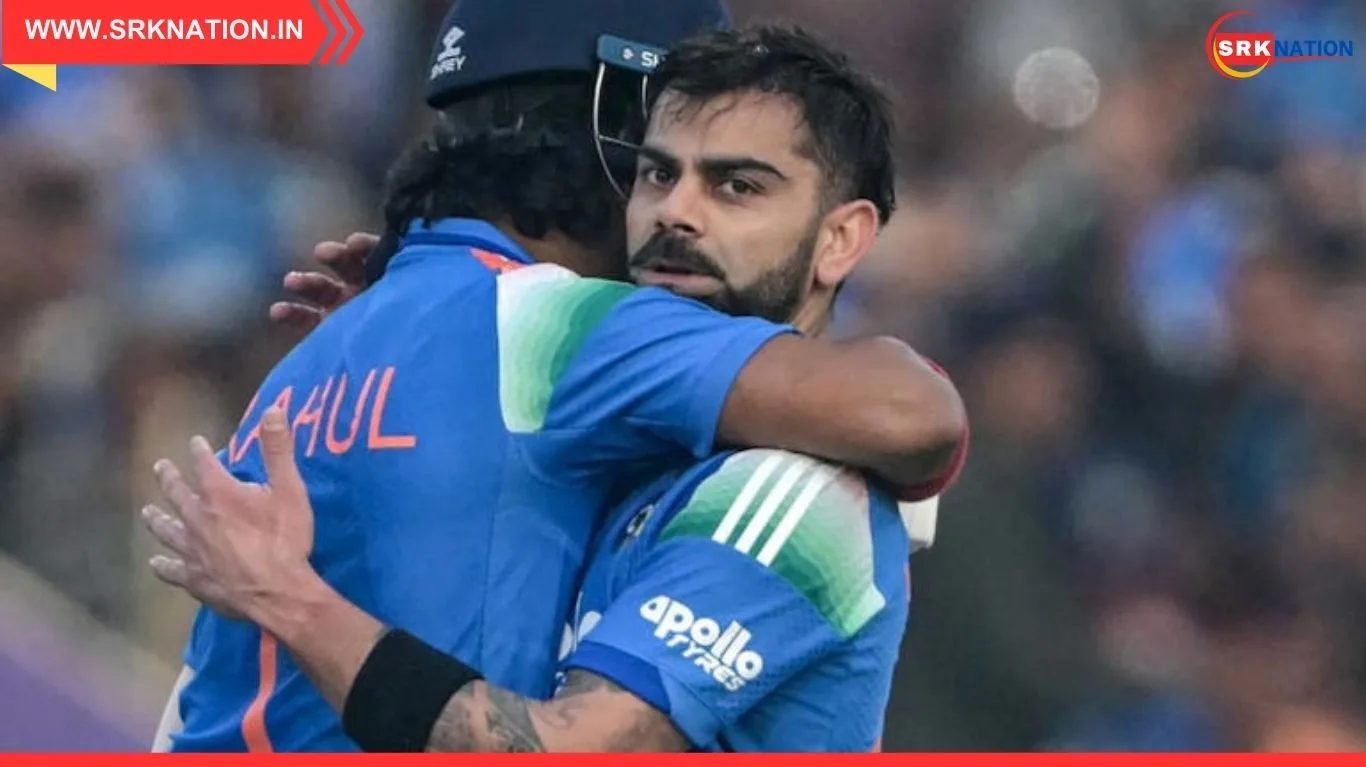
Indian cricket has been thrown into fresh controversy after reports surfaced that Virat Kohli has refused to participate in the upcoming Vijay Hazare Trophy, leaving the Board of Control for Cricket in India (BCCI) in a difficult position. Sources close to the development suggest that Kohli’s decision has sparked debates within the cricketing fraternity, raising questions about player commitments, scheduling conflicts, and the balance between domestic and international cricket.
The Vijay Hazare Trophy And Kohli’s Decision
- Tournament Importance: The Vijay Hazare Trophy is India’s premier domestic one-day competition, serving as a platform for emerging talent and a feeder system for the national team.
- Kohli’s Refusal: Sources indicate that Kohli has opted out of the tournament, citing personal priorities and workload management.
- BCCI’s Dilemma: The board now faces criticism for failing to ensure participation of senior players in domestic cricket.
- Public Reaction: Fans and analysts are divided, with some supporting Kohli’s decision and others questioning his commitment to domestic cricket.
Key Highlights Of The Controversy
| Aspect | Details | Impact |
|---|---|---|
| Player | Virat Kohli | Refuses to play Vijay Hazare Trophy |
| Tournament | Vijay Hazare Trophy | Premier domestic one-day competition |
| Governing Body | BCCI | Left in muddy waters |
| Reason | Workload management, personal priorities | Sparks debate |
| Public Sentiment | Divided | Raises questions on player commitments |
Why Kohli’s Refusal Matters
- Domestic Cricket’s Role: Senior players participating in domestic tournaments boosts visibility and motivates younger players.
- Talent Development: Emerging cricketers benefit from playing alongside legends like Kohli.
- BCCI’s Image: The board faces criticism for not enforcing participation rules.
- Fan Expectations: Fans expect star players to support domestic cricket as much as international fixtures.
Impact Of Kohli’s Decision On Stakeholders
| Stakeholder | Impact | Reaction |
|---|---|---|
| BCCI | Loss of credibility | Criticism from analysts |
| Domestic Players | Miss chance to play with Kohli | Disappointment |
| Fans | Divided opinions | Mixed reactions |
| Sponsors | Reduced visibility | Concern over tournament appeal |
| Media | Increased coverage | Intensifies debate |
Industry And Cricketing Reaction
- Former Cricketers: Some argue that senior players must support domestic cricket to strengthen the ecosystem.
- Analysts: Highlight the growing trend of prioritizing international and franchise cricket over domestic tournaments.
- Fans: Social media is flooded with debates, memes, and criticism of both Kohli and BCCI.
- Sponsors: Concerned about reduced star power affecting viewership and engagement.
Strategic Importance
- Domestic Cricket Ecosystem: Participation of senior players ensures credibility and growth of domestic tournaments.
- Player Workload Management: Balancing international commitments with domestic cricket is a growing challenge.
- BCCI’s Governance: The board must address scheduling conflicts and enforce participation norms.
- Global Perception: India’s domestic cricket structure is closely watched worldwide, making controversies significant.
Expert Opinions
- Cricket Analysts: Suggest that Kohli’s refusal reflects broader issues of player fatigue and scheduling.
- Economists: Note that reduced star participation can impact sponsorship revenues.
- Policy Experts: Emphasize the need for reforms in domestic cricket governance.
- Global Observers: Highlight that India’s domestic cricket credibility depends on senior player involvement.
Public Sentiment
- Supporters Of Kohli: Argue that workload management is crucial for longevity in international cricket.
- Critics Of Kohli: Question his commitment to domestic cricket and grassroots development.
- Neutral Fans: Call for balanced solutions that respect both player health and domestic cricket needs.
- Social Media: Divided between defending Kohli’s decision and criticizing BCCI’s handling of the issue.
Challenges Ahead
- Scheduling Conflicts: Aligning domestic tournaments with international fixtures.
- Player Fatigue: Managing workload of senior players in a packed calendar.
- BCCI’s Governance: Ensuring credibility and enforcing participation norms.
- Public Trust: Restoring confidence in domestic cricket’s importance.
Future Outlook
- Short-Term: BCCI likely to face continued criticism during the Vijay Hazare Trophy.
- Medium-Term: Potential reforms in scheduling and participation rules.
- Long-Term: Strengthening domestic cricket by incentivizing senior player involvement.
- Global Impact: India’s domestic cricket credibility will influence global perceptions of its cricketing ecosystem.
Conclusion
The refusal of Virat Kohli to play in the Vijay Hazare Trophy, leaving the BCCI in muddy waters, highlights a critical debate about the balance between player workload, domestic cricket credibility, and governance. While Kohli’s decision reflects the realities of modern cricket scheduling, it also raises questions about the role of senior players in nurturing domestic tournaments.
For BCCI, this is a test of governance and credibility. For fans, it is a reminder of the importance of domestic cricket. And for India’s cricketing future, it underscores the need to balance international commitments with grassroots development.
Disclaimer: This article is based on publicly available cricket updates, expert commentary, and media analysis. Readers are advised to follow official BCCI announcements and verified sources for detailed information.