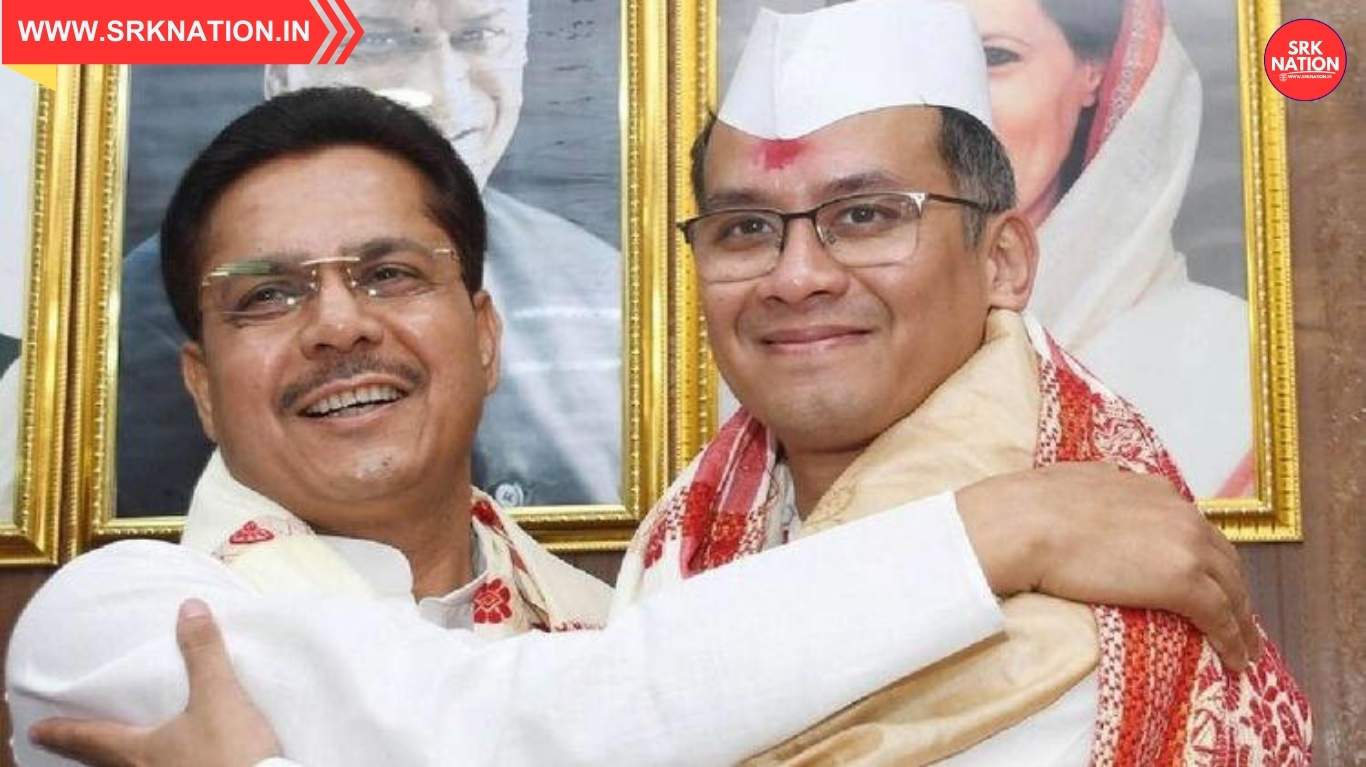


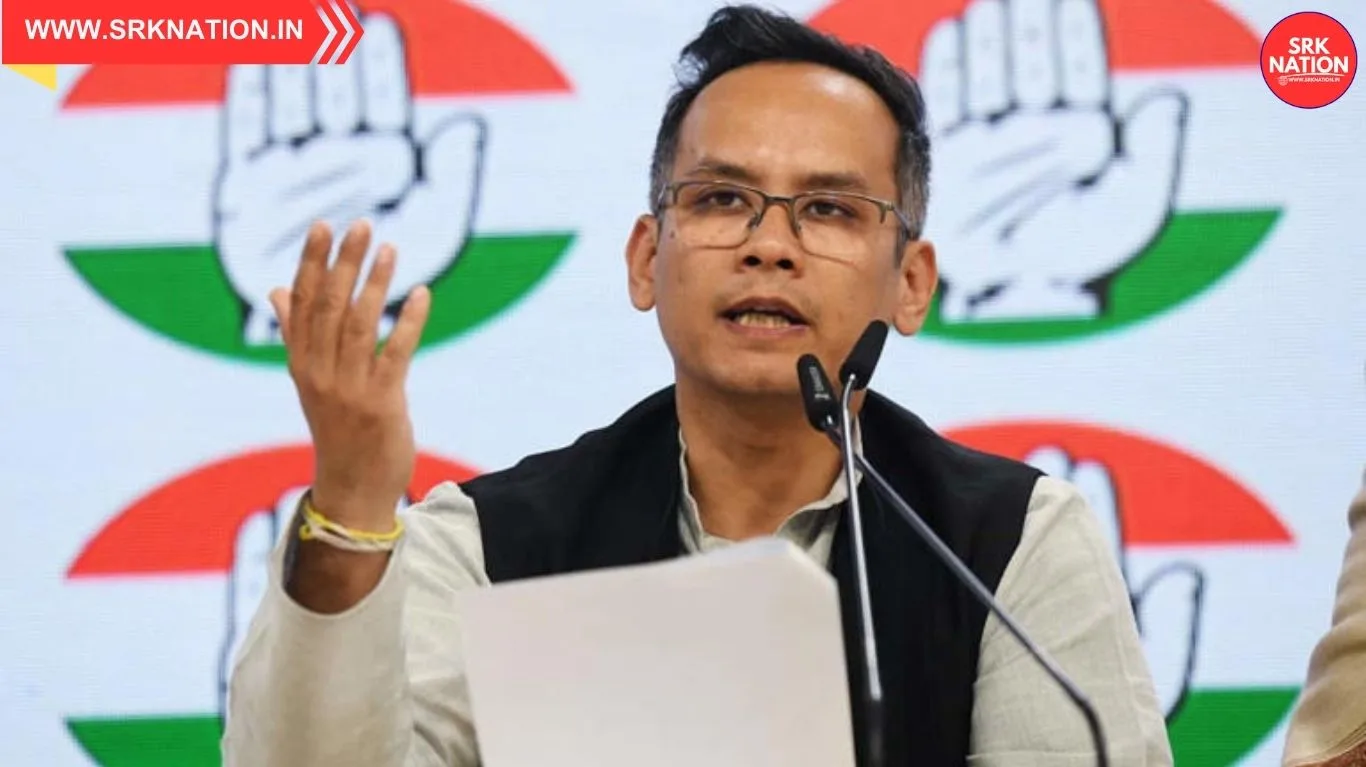
Senior Congress leader and Lok Sabha MP Gaurav Gogoi has clarified that his 2013 visit to Pakistan was purely personal, undertaken to accompany his wife for professional reasons, and that he was never questioned by the Special Investigation Team (SIT) regarding the trip. Gogoi’s statement comes amid political debates surrounding cross-border visits by Indian politicians and their implications in the current climate of heightened scrutiny.
Key Highlights
- Visit Context: Gogoi visited Pakistan in 2013 for his wife’s work-related engagement.
- Clarification: He emphasized that the trip was personal and not political.
- SIT Involvement: Gogoi stated that the SIT never questioned him regarding the visit.
- Political Climate: The clarification comes at a time when cross-border relations remain sensitive.
- Public Debate: His statement has sparked discussions on transparency and accountability in political life.
Analysis of Gogoi’s Statement
| Factor | Allegations/Concerns | Gogoi’s Clarification | Outcome Observed |
|---|---|---|---|
| Pakistan Visit | Speculation of political intent | Personal trip for wife’s work | Neutralized controversy |
| SIT Role | Assumed questioning | No questioning occurred | Reduced suspicion |
| Political Impact | Potential criticism | Clarification issued | Balanced narrative |
| Public Sentiment | Curiosity, skepticism | Transparency emphasized | Mixed reactions |
| Media Coverage | Focus on Pakistan angle | Shift to personal context | Debate continues |
Comparative Analysis of Political Visits Abroad
| Politician | Country Visited | Purpose | Public Reaction |
|---|---|---|---|
| Gaurav Gogoi | Pakistan (2013) | Wife’s work | Clarification issued, neutral |
| Rahul Gandhi | UK, US | Lectures, meetings | Media scrutiny, political debate |
| Narendra Modi | US, Japan | Official visits | Diplomatic coverage |
| Shashi Tharoor | Multiple nations | UN, academic work | Generally positive |
Drivers Behind Gogoi’s Clarification
- Political Sensitivity: Cross-border visits, especially to Pakistan, often attract scrutiny.
- Transparency: Gogoi aimed to clarify the personal nature of the trip.
- SIT Reference: Addressed speculation by stating no questioning occurred.
- Public Accountability: Ensured voters understood the context.
- Media Narratives: Countered potential misrepresentation in political discourse.
Public and Media Reaction
- Supporters: Welcomed Gogoi’s transparency and clarification.
- Critics: Questioned the timing of the statement, suggesting political motives.
- Media: Coverage highlighted the Pakistan angle, fueling debates.
- Analysts: Viewed the clarification as a necessary step to avoid misinterpretation.
Future Outlook
- Political Impact: Gogoi’s clarification may reduce controversy but debates could persist.
- Public Perception: Transparency may strengthen his credibility among supporters.
- Opposition Strategy: Rivals may continue to highlight the Pakistan angle for political mileage.
- Media Narrative: Likely to remain focused on cross-border sensitivities.
Challenges ahead:
- Ensuring clarity in communication to avoid misrepresentation.
- Managing political narratives in a polarized environment.
- Balancing personal privacy with public accountability.
Conclusion
Gaurav Gogoi’s statement that his 2013 visit to Pakistan was for his wife’s work and that the SIT never questioned him reflects an effort to maintain transparency amid political scrutiny. While the clarification neutralizes immediate controversy, the broader debate on cross-border visits by Indian politicians continues. Gogoi’s emphasis on the personal nature of the trip underscores the importance of context in political discourse, especially in sensitive matters involving India-Pakistan relations.
Disclaimer
This article is intended for informational and analytical purposes only. It summarizes publicly available updates and political clarifications. It does not constitute endorsement, insider information, or professional consultation. Readers are encouraged to verify facts independently and consider multiple perspectives before forming conclusions.