



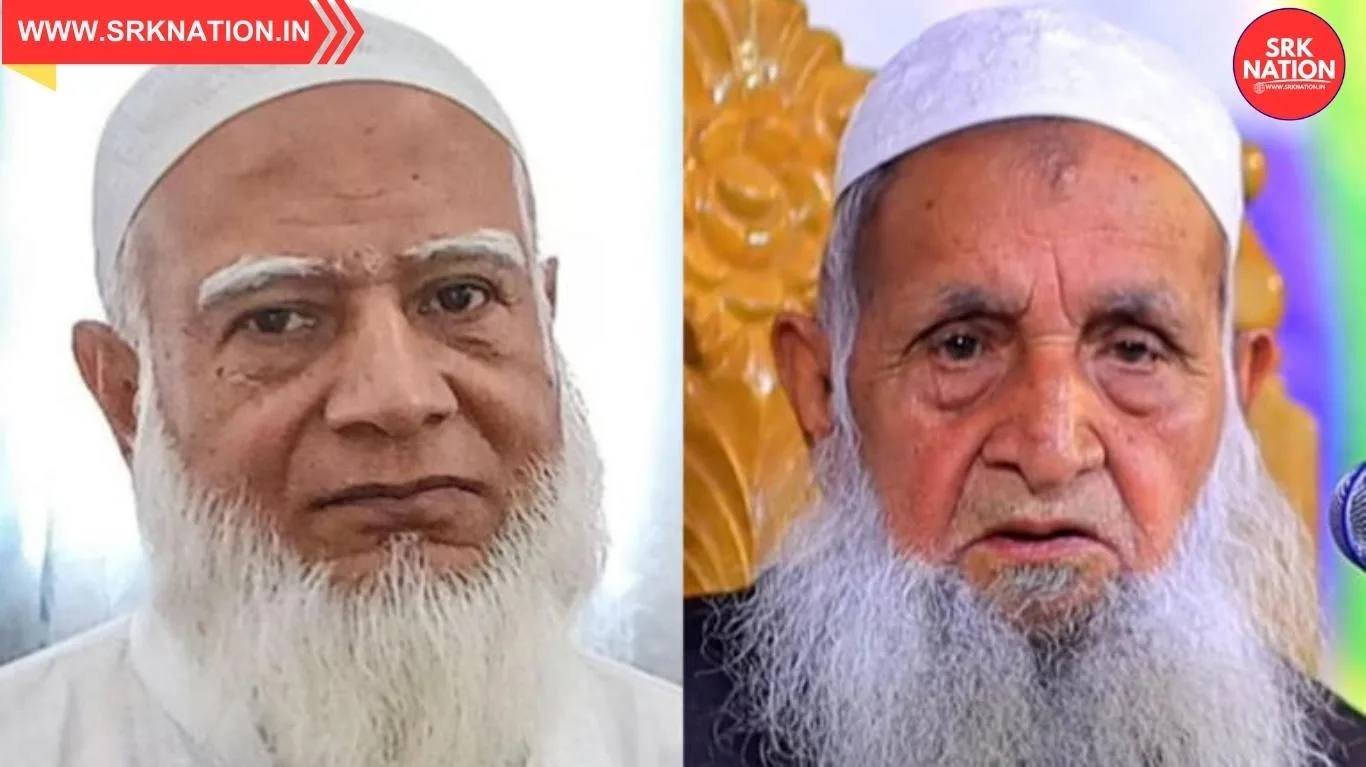
On the eve of Bangladesh’s national elections, Islamist group Hefazat-e-Islam has issued a fiery statement declaring that “voting for Jamaat-e-Islami is haram”, sparking intense debate across the country. The group’s leaders framed their stance as a religious obligation, urging followers to reject Jamaat and positioning themselves as defenders of Islamic values. The announcement has added a volatile dimension to an already tense political atmosphere.
Background of Hefazat-e-Islam
Hefazat-e-Islam is a conservative Islamist organization based in Bangladesh, known for mobilizing large-scale protests and issuing religious edicts on political and social matters. Over the years, the group has positioned itself as a guardian of Islamic identity, often clashing with secular and liberal forces.
Jamaat-e-Islami’s Controversial Role
Jamaat-e-Islami, one of Bangladesh’s oldest Islamist parties, has long been controversial due to its role during the 1971 Liberation War and its political alliances. Critics accuse Jamaat of undermining Bangladesh’s secular foundations, while supporters view it as a legitimate political force representing conservative Muslim voters.
Hefazat’s Declaration
On February 6, 2026, Hefazat leaders declared that voting for Jamaat is “haram” (religiously forbidden), equating support for the party with betrayal of Islamic principles. They claimed Jamaat’s political agenda is incompatible with true Islamic values and accused the party of exploiting religion for power.
Key points of Hefazat’s statement:
- Voting for Jamaat is religiously impermissible.
- Jamaat accused of political opportunism.
- Hefazat calls for a “jihad” against Jamaat’s influence.
- Followers urged to reject Jamaat at the ballot box.
Analysis of the Situation
| Factor | Traditional Expectation | Current Scenario (2026) | Outcome Observed |
|---|---|---|---|
| Islamist Unity | Religious groups align | Hefazat vs Jamaat rivalry | Division |
| Political Impact | Jamaat gains Islamist votes | Hefazat discourages support | Vote erosion |
| Religious Authority | Clerics issue guidance | Hefazat declares voting haram | Religious pressure |
| Public Sentiment | Mixed loyalty | Confusion among conservative voters | Polarization |
| Election Atmosphere | Already tense | Heightened by Hefazat’s jihad call | Volatility |
Comparative Analysis of Islamist Politics in Bangladesh
| Group/Party | Ideology | Current Position | Public Perception |
|---|---|---|---|
| Hefazat-e-Islam | Conservative Islamist | Opposes Jamaat | Seen as religious guardians |
| Jamaat-e-Islami | Islamist political party | Contesting elections | Controversial, divisive |
| Awami League | Secular-nationalist | Ruling party | Strong support base |
| BNP | Center-right | Opposition | Competing for votes |
Public and Political Reaction
The declaration has sparked mixed reactions:
- Supporters of Hefazat: Applaud the stance as a defense of Islamic purity.
- Jamaat Leaders: Condemn the statement as politically motivated and divisive.
- Secular Parties: View the clash as evidence of fragmentation within Islamist politics.
- General Public: Express concern over rising religious rhetoric in electoral politics.
Implications for the Election
Hefazat’s announcement could significantly impact voter behavior, particularly in conservative constituencies where Jamaat traditionally draws support. The declaration may:
- Reduce Jamaat’s vote share among devout Muslims.
- Strengthen secular parties by dividing Islamist votes.
- Intensify political tensions and potential street-level clashes.
Future Outlook
The situation underscores the growing complexity of Bangladesh’s political landscape, where religion and politics remain deeply intertwined. Key areas to watch:
- Jamaat’s response and counter-strategy.
- Hefazat’s ability to mobilize followers on election day.
- Impact on voter turnout in conservative regions.
- Broader implications for Islamist politics in South Asia.
Conclusion
The declaration by Hefazat-e-Islam that voting for Jamaat is “haram” has added a dramatic twist to Bangladesh’s election eve. By launching what they call a “jihad” against Jamaat, Hefazat has deepened divisions within Islamist politics and heightened tensions across the country. The move may reshape voter dynamics, weaken Jamaat’s influence, and reinforce the volatile mix of religion and politics in Bangladesh’s democratic process.
Disclaimer
This article is intended for informational and analytical purposes only. It summarizes political developments and religious statements in Bangladesh. It does not constitute endorsement, political advice, or religious guidance. Readers are encouraged to verify facts independently and follow official sources for accurate updates.