




The year 2025 witnessed a remarkable trend in the global food and wellness industry: high-protein recipes became one of the most searched, shared, and tried culinary movements across social media platforms, fitness communities, and home kitchens. From protein-packed pancakes to lentil-based curries, the surge in demand reflected a growing awareness of nutrition, fitness, and lifestyle changes.
Background of the Trend
- The rise of high-protein recipes was fueled by increasing interest in fitness, weight management, and muscle health.
- Social media influencers, nutritionists, and chefs played a major role in popularizing easy-to-make, protein-rich meals.
- The global shift toward plant-based diets also contributed, with legumes, tofu, and quinoa becoming staples in protein-focused recipes.
- Viral challenges, reels, and short videos showcasing quick protein meals amplified the trend.
Key Highlights of the High-Protein Recipe Boom
| Indicator | Details |
|---|---|
| Year of Popularity | 2025 |
| Platforms Driving Trend | Instagram, TikTok, YouTube |
| Popular Recipes | Protein pancakes, chickpea salads, tofu stir-fries |
| Health Focus | Muscle growth, weight loss, satiety |
| Global Impact | Increased demand for protein-rich foods |
Why High-Protein Recipes Went Viral
| Factor | Positive Impact | Challenges | Long-Term Implication |
|---|---|---|---|
| Fitness Awareness | Encouraged healthier eating | Risk of fad diets | Sustainable nutrition habits |
| Social Media Influence | Made recipes accessible | Oversaturation of content | Continued innovation in food trends |
| Plant-Based Movement | Expanded protein sources | Taste adaptation challenges | Growth of vegan protein industry |
| Convenience | Quick recipes for busy lifestyles | Quality of ingredients varies | Reinforces home cooking culture |
| Global Health Trends | Reduced reliance on processed foods | Misinterpretation of nutrition | Stronger focus on balanced diets |
Why This Story Matters
- Health Revolution: Reflects a shift toward mindful eating and fitness-oriented lifestyles.
- Cultural Impact: Food trends now spread faster through digital platforms than traditional cookbooks.
- Economic Influence: Boosted demand for protein powders, legumes, and plant-based alternatives.
- Social Connection: Viral recipes created communities of health-conscious individuals.
- Future Outlook: High-protein diets are expected to remain central to wellness discussions.
Popular High-Protein Recipes of 2025
| Recipe | Protein Source | Appeal |
|---|---|---|
| Protein Pancakes | Whey powder, oats | Breakfast staple for fitness enthusiasts |
| Chickpea Salad | Legumes | Vegan-friendly, easy to prepare |
| Tofu Stir-Fry | Soy protein | Quick dinner option |
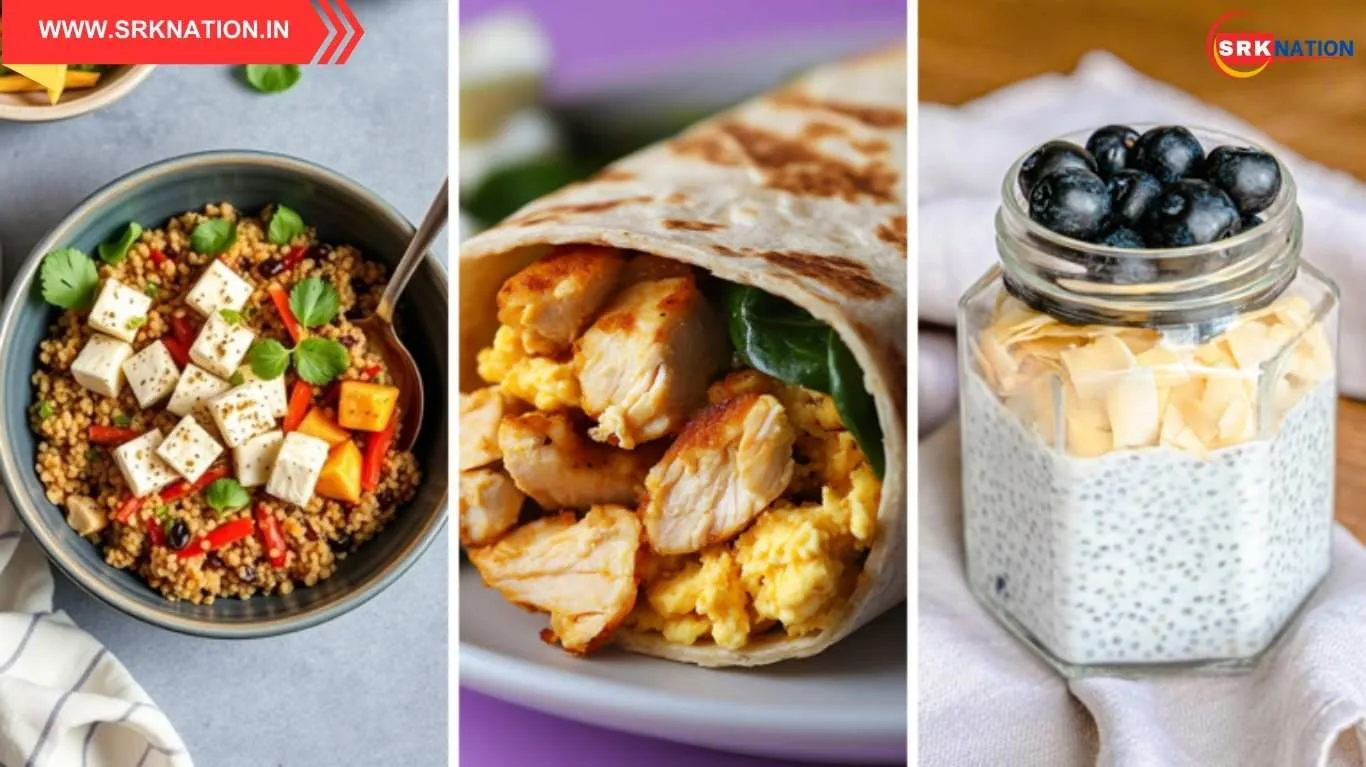
| Quinoa Bowl | Quinoa, beans | Balanced meal with fiber and protein |
| Greek Yogurt Smoothie | Dairy protein | Refreshing snack |
These recipes became viral not only for their nutritional value but also for their simplicity and adaptability.
Expert Opinions
- Nutritionists: Applauded the trend for promoting satiety and muscle health.
- Chefs: Highlighted the creativity in blending traditional cuisines with protein-rich ingredients.
- Fitness Trainers: Encouraged clients to adopt high-protein meals for better workout recovery.
- Critics: Warned against over-reliance on protein powders and supplements.
Challenges Ahead
- Nutritional Balance: Risk of ignoring other essential nutrients like fiber and vitamins.
- Taste Preferences: Adapting protein-rich foods to diverse palates.
- Accessibility: Ensuring affordability of protein-rich ingredients.
- Overconsumption Risks: Excess protein can strain kidneys and digestion.
- Sustainability: Balancing demand with eco-friendly farming practices.
Opportunities for Innovation
- Fusion Recipes: Combining traditional cuisines with modern protein sources.
- Plant-Based Proteins: Expanding options beyond soy and lentils.
- Protein Snacks: Developing convenient, healthy snack alternatives.
- Educational Campaigns: Promoting balanced diets alongside protein intake.
- Global Collaboration: Sharing recipes across cultures to diversify protein sources.
Broader Context of Food Trends
- Food trends increasingly emerge from digital platforms rather than traditional culinary schools.
- Viral recipes reflect broader societal shifts toward health, convenience, and sustainability.
- High-protein diets align with global movements to combat obesity and lifestyle diseases.
- The trend underscores the power of social media in shaping consumer behavior.
Public Sentiment
- Fitness communities embraced the trend enthusiastically.
- Home cooks appreciated the simplicity of recipes.
- Social media users enjoyed participating in viral challenges.
- Some skeptics questioned the sustainability of protein-heavy diets.
- Overall sentiment remained positive, with widespread adoption across demographics.
Media Coverage
- News outlets highlighted the surge in protein-rich food demand.
- Analysts debated the long-term sustainability of the trend.
- Coverage emphasized the role of influencers in shaping food culture.
- The story continues to dominate health and lifestyle discussions.
How to Make High-Protein Recipes at Home
| Step | Details |
|---|---|
| Choose Base Ingredient | Select protein source (chicken, tofu, lentils, eggs). |
| Add Complementary Foods | Include vegetables, grains, or dairy for balance. |
| Use Healthy Cooking Methods | Opt for grilling, steaming, or baking. |
| Flavor Smartly | Use herbs and spices instead of excess salt or sugar. |
| Portion Control | Ensure balanced servings to avoid overconsumption. |
Simple recipes like lentil curry with quinoa, grilled chicken with vegetables, or Greek yogurt parfait with nuts can be prepared in under 30 minutes, making them ideal for busy lifestyles.
Conclusion
The viral rise of high-protein recipes in 2025 reflects a global shift toward healthier, more mindful eating habits. Driven by social media, fitness awareness, and plant-based movements, these recipes became cultural phenomena. While challenges like balance and sustainability remain, the opportunities for innovation and global collaboration are immense. High-protein diets are no longer just a fitness fad; they represent a lasting transformation in how people approach food and wellness.
Disclaimer
This article is intended for informational purposes only and does not constitute dietary or medical advice. Nutrition trends, recipes, and public sentiments are subject to change based on evolving circumstances. Readers are encouraged to consult certified nutritionists for personalized guidance. The author and publisher are not responsible for any decisions made based on this article.