

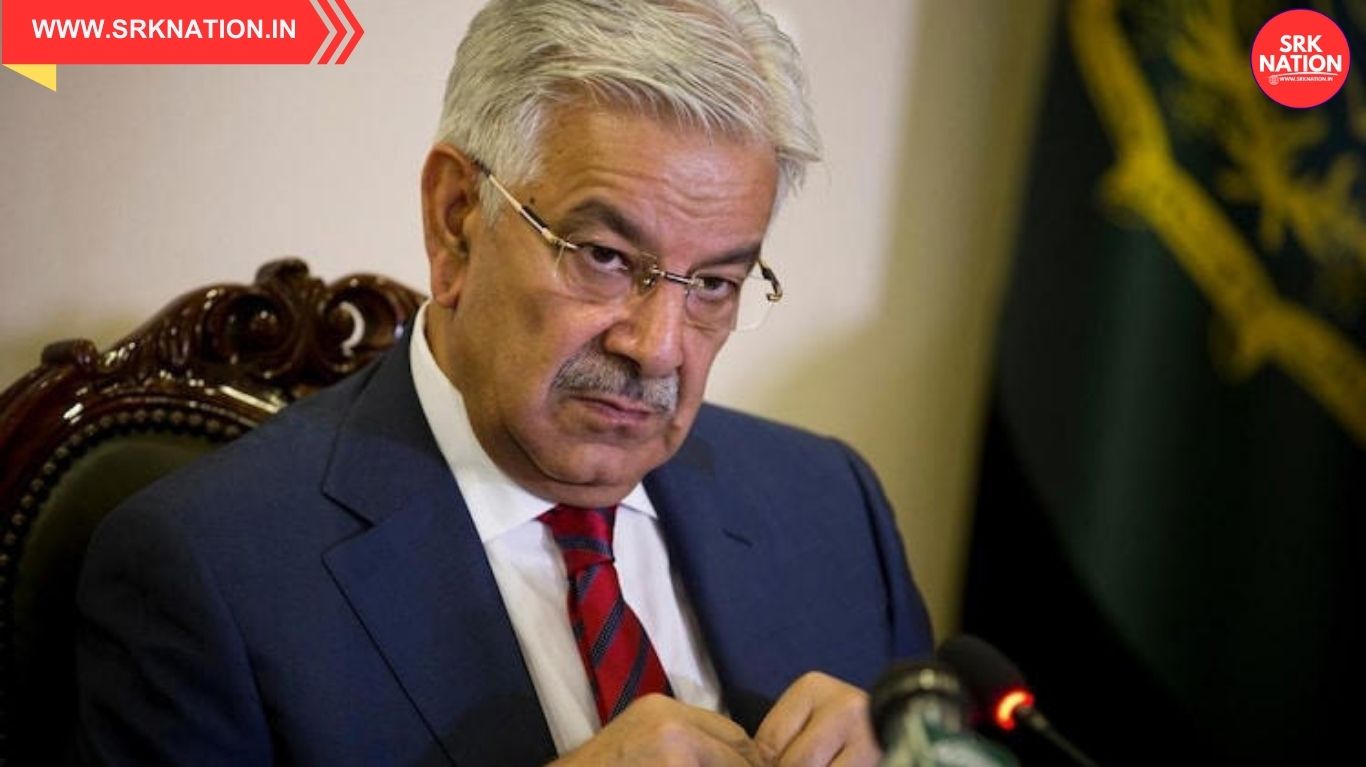
Pakistan’s Defence Minister Khawaja Asif has launched a scathing attack on the United States, accusing Washington of exploiting Pakistan for its strategic interests and then discarding it “worse than toilet paper.” His remarks, delivered during a televised interview, have reignited debates about Pakistan’s foreign policy, its reliance on Western powers, and the long-term consequences of decades of military and economic cooperation with the US.
Key Highlights
- Asif’s Remark: Claimed the US treated Pakistan as disposable after using it for strategic gains.
- Historical Context: Pakistan was a frontline ally during the Cold War, Afghan war, and post-9/11 campaigns.
- Current Relations: Ties remain strained, with Pakistan pivoting towards China and regional alliances.
- Public Sentiment: Many Pakistanis view US relations as exploitative, while others stress the need for balanced diplomacy.
- Global Impact: The statement underscores shifting alliances in South Asia amid US-China rivalry.
Analysis of Asif’s Statement
| Factor | US-Pakistan Past Relations | Current Scenario | Outcome Observed |
|---|---|---|---|
| Strategic Role | Pakistan as frontline ally | Reduced US reliance | Strained ties |
| Military Support | Billions in aid, weapons | Aid cut, sanctions imposed | Dependency exposed |
| Economic Impact | US aid boosted economy | Decline in support | Fiscal challenges |
| Diplomatic Tone | Cooperative in past | Hostile rhetoric | Polarization |
| Public Sentiment | Mixed views | Growing anti-US narrative | Nationalist surge |
Comparative Analysis of US Relations in South Asia
| Country | US Relations | Strategic Role | Current Status |
|---|---|---|---|
| Pakistan | Strained, hostile rhetoric | Former frontline ally | Pivot to China |
| India | Strengthening ties | Strategic partner in Indo-Pacific | Growing cooperation |
| Bangladesh | Expanding trade | Textile exports, US cotton deal | Mixed reactions |
| Afghanistan | Collapsed post-US withdrawal | Former dependency | Political instability |
Drivers Behind Asif’s Attack
- Historical Exploitation: Pakistan supported US wars but faced sanctions afterward.
- Decline in Aid: US reduced military and economic support in recent years.
- China Pivot: Pakistan increasingly relies on China for trade and defense.
- Domestic Politics: Anti-US rhetoric resonates with nationalist voters.
- Regional Shifts: US focus on India has sidelined Pakistan strategically.
Public and Media Reaction
- Pakistani Media: Widely reported Asif’s remarks, framing them as a nationalist stance.
- Public Sentiment: Many citizens echoed his criticism, citing decades of perceived exploitation.
- International Analysts: Viewed the statement as part of Pakistan’s pivot towards China.
- US Response: No official reaction yet, but relations remain tense.
Future Outlook
- Pakistan’s Path: Likely to deepen ties with China and regional allies.
- US Strategy: Continued focus on India as a strategic partner in South Asia.
- Regional Balance: Pakistan’s rhetoric may further isolate it from Western alliances.
- Economic Challenges: Without US aid, Pakistan must rely on alternative sources of support.
Challenges ahead:
- Managing economic dependency on China.
- Balancing nationalist rhetoric with diplomatic needs.
- Addressing domestic instability amid strained foreign ties.
Conclusion
Khawaja Asif’s remark that the US treated Pakistan “worse than toilet paper” reflects deep frustration over decades of perceived exploitation. While Pakistan was once a frontline ally in US-led conflicts, it now finds itself sidelined as Washington strengthens ties with India. The statement underscores Pakistan’s pivot towards China and highlights the growing nationalist narrative that seeks to redefine the country’s foreign policy priorities.
Disclaimer
This article is intended for informational and analytical purposes only. It summarizes publicly available updates on Khawaja Asif’s remarks regarding US-Pakistan relations. It does not constitute endorsement, insider information, or professional consultation. Readers are encouraged to verify facts independently and consider multiple perspectives before forming conclusions.