


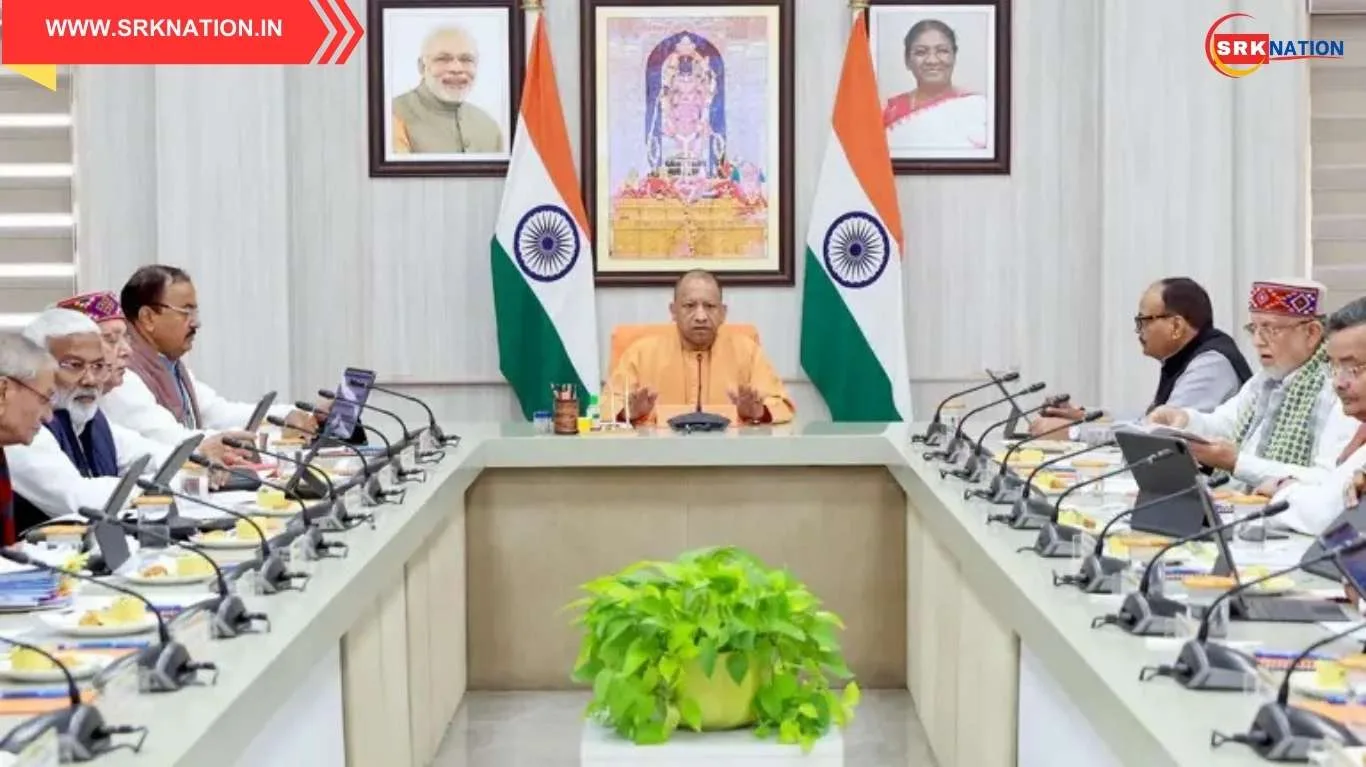
In a significant administrative move, the Yogi Adityanath-led Uttar Pradesh government has transferred 20 senior IPS officers, marking one of the biggest police reshuffles in recent months. The decision reflects the state’s strategy to strengthen law and order, improve efficiency, and align policing with evolving governance priorities.
Background of the Reshuffle
- The reshuffle comes at a time when Uttar Pradesh is focusing on crime control, modernization of policing, and better coordination across districts.
- Transfers of senior IPS officers are often seen as a way to balance administrative efficiency, reward performance, and address regional challenges.
- The move is part of the government’s broader effort to ensure accountability and strengthen the police force’s responsiveness to public concerns.
Key Highlights of the Transfers
| Indicator | Details |
|---|---|
| Number of Officers | 20 senior IPS officers |
| Purpose | Strengthen law and order, improve efficiency |
| Government’s Narrative | Administrative necessity, performance-based reshuffle |
| Public Reaction | Mixed—support for efficiency, concern about frequent transfers |
| Broader Impact | Signals government’s focus on policing reforms |
Impact of IPS Transfers
| Factor | Immediate Impact | Long-Term Implication | Public Sentiment |
|---|---|---|---|
| Law and Order | Fresh leadership in key districts | Improved crime control | Hope for stronger policing |
| Administrative Efficiency | Officers aligned with government priorities | Streamlined governance | Support for accountability |
| Political Narrative | Signals proactive governance | Reinforces government’s tough-on-crime image | Divides opinion along party lines |
| Police Morale | New opportunities for officers | Career progression and discipline | Mixed—uncertainty for some |
| Public Trust | Citizens expect better responsiveness | Strengthens confidence in police | Optimism with cautious skepticism |
Why This Story Matters
- Governance Strategy: Reflects the Yogi government’s emphasis on law and order.
- Public Safety: Transfers aim to improve policing efficiency and crime control.
- Political Optics: Reinforces the government’s image of strong governance.
- Administrative Balance: Ensures officers are placed in roles matching their expertise.
- Future Outlook: Could shape policing reforms and public trust in the system.
Details of the Reshuffle
- Senior officers have been moved across districts and divisions, with some taking charge of sensitive areas.
- Key postings include leadership roles in crime-prone districts, urban policing, and specialized units.
- Officers with proven track records have been assigned to critical law enforcement positions.
- The reshuffle also reflects the government’s focus on aligning policing with developmental priorities.
Political Fallout
- The reshuffle has sparked discussions in political circles about the timing and intent.
- Supporters argue that the move demonstrates proactive governance and accountability.
- Critics suggest frequent transfers may disrupt continuity and long-term planning.
- The decision is likely to influence public perception of the government’s commitment to law and order.
Public Reaction
- Citizens expressed optimism that new leadership could improve policing efficiency.
- Concerns were raised about the impact of frequent transfers on stability.
- Social media debates reflected both support and skepticism.
- Overall sentiment suggests cautious hope for improved law enforcement.
Expert Opinions
- Administrative Analysts: Stress that reshuffles are necessary to maintain efficiency.
- Law Enforcement Experts: Highlight the importance of matching officers to regional challenges.
- Political Scientists: Note that reshuffles often serve both governance and political optics.
- Sociologists: Emphasize the need for continuity to build public trust.
Challenges Ahead
- Continuity of Leadership: Ensuring stability despite frequent transfers.
- Crime Control: Addressing rising challenges in urban and rural areas.
- Public Trust: Convincing citizens of the effectiveness of reshuffles.
- Police Morale: Managing uncertainty among officers.
- Political Optics: Balancing governance needs with public perception.
Opportunities for Uttar Pradesh
- Strengthen Policing: Fresh leadership can bring new strategies to crime control.
- Improve Efficiency: Align officers with government priorities for better governance.
- Boost Public Trust: Demonstrate accountability and responsiveness.
- Modernize Policing: Use reshuffles to promote innovation and modernization.
- Enhance Coordination: Improve collaboration across districts and divisions.
Broader Context of Police Reforms
- Police reshuffles are common in India, often reflecting governance priorities.
- Uttar Pradesh has emphasized law and order as a cornerstone of its governance model.
- The reshuffle reflects broader efforts to modernize policing and improve accountability.
- Similar moves in other states highlight the importance of administrative flexibility.
Media Coverage
- Headlines emphasized the scale of the reshuffle—20 senior IPS officers.
- Analysts debated the implications for law and order and governance.
- Coverage highlighted the government’s narrative of proactive policing.
- The story continues to dominate discussions in political and administrative circles.
Conclusion
The transfer of 20 senior IPS officers in Uttar Pradesh marks a major reshuffle aimed at strengthening law and order, improving efficiency, and aligning policing with governance priorities. While the move reinforces the Yogi government’s tough-on-crime image, it also raises questions about continuity and stability. For citizens, the reshuffle represents both hope for improved policing and concern about frequent administrative changes. The outcome will shape public trust, political narratives, and the future of policing reforms in the state.
Disclaimer
This article is intended for informational purposes only and does not constitute political endorsement or criticism. Administrative decisions, officer postings, and public sentiments are subject to change based on evolving circumstances. Readers are encouraged to follow official updates for accurate information. The author and publisher are not responsible for any decisions made based on this article.