
Strengthening Ties Across the Pacific
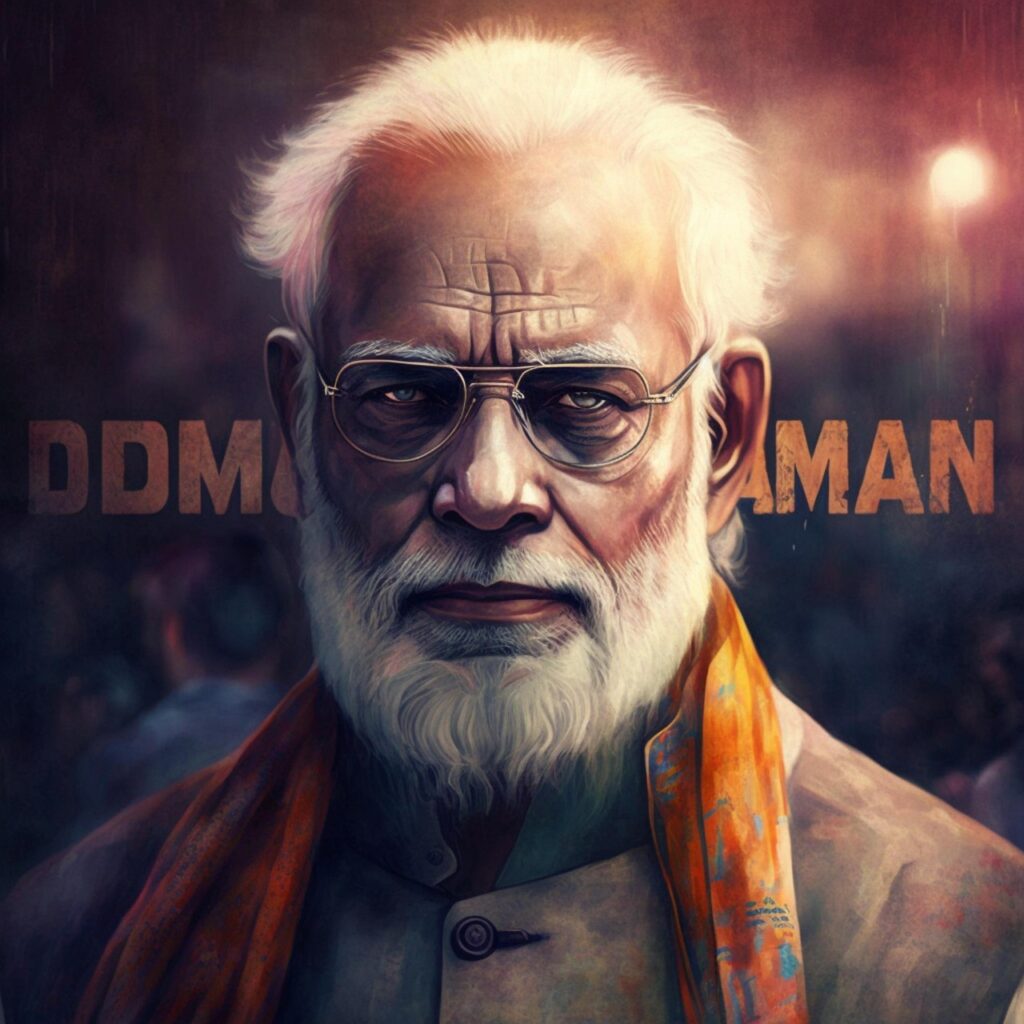
Indian Prime Minister Narendra Modi is scheduled to embark on his first official state visit to New Zealand next week, marking a significant milestone in bilateral relations between New Delhi and Wellington. This high-profile visit aims to deepen strategic cooperation, bolster trade partnerships, and address emerging geopolitical challenges in the Indo-Pacific region.
The Evolution of India-New Zealand Relations
Historically, the relationship between India and New Zealand has been characterized by mutual respect but limited economic engagement. While both nations share Commonwealth ties and a commitment to democratic values, trade volumes have remained modest compared to India’s broader global economic footprint.
In recent years, however, both governments have signaled a desire to pivot toward closer engagement. The visit follows a series of ministerial-level discussions focused on diversifying supply chains and integrating the Indian diaspora—now one of New Zealand’s fastest-growing ethnic communities—into the broader socio-economic fabric of the country.
Strategic Priorities and Economic Objectives
The agenda for Prime Minister Modi’s visit is expected to focus heavily on the technology and agricultural sectors. New Zealand, known for its advanced dairy and agribusiness expertise, seeks to expand its footprint in the Indian market, while India looks to leverage its burgeoning IT services and digital public infrastructure to support New Zealand’s domestic innovation goals.
Geopolitical stability remains a central theme of the talks. As a member of the Five Eyes intelligence alliance, New Zealand occupies a unique position in the Indo-Pacific. Analysts suggest that the discussions will likely cover maritime security, maritime domain awareness, and the maintenance of a rules-based international order, reflecting the shared concerns of both nations regarding regional stability.
Expert Insights on the Bilateral Shift
International relations experts view this visit as a proactive attempt to hedge against regional uncertainty. “Prime Minister Modi’s visit serves as a formal acknowledgment that New Zealand is an essential partner in India’s ‘Act East’ policy,” notes Dr. Anjali Rao, a senior fellow at the Institute for Indo-Pacific Studies. “The focus is moving beyond traditional soft-power diplomacy into tangible security and economic cooperation.”
Trade data supports the need for this diplomatic push. According to the New Zealand Ministry of Foreign Affairs and Trade, total two-way trade in goods and services reached approximately NZD 2.5 billion in 2023, a figure both administrations have identified as having significant room for growth. The expected signing of multiple Memorandums of Understanding (MoUs) in education and fintech is intended to provide the framework for hitting these targets.
Future Outlook and Regional Integration
The success of this visit will be measured by the speed at which the proposed trade frameworks are implemented in the coming fiscal year. Observers are particularly watching for announcements regarding the potential resumption of comprehensive trade agreement negotiations, which have previously stalled over agricultural market access concerns.
As the regional landscape continues to shift, the strengthening of this partnership suggests a broader trend of middle powers seeking to diversify their alliances. Observers should monitor the post-visit joint statements for specific commitments regarding climate change mitigation and collaborative research in green hydrogen technology, as these areas represent the next frontier for India-New Zealand cooperation.