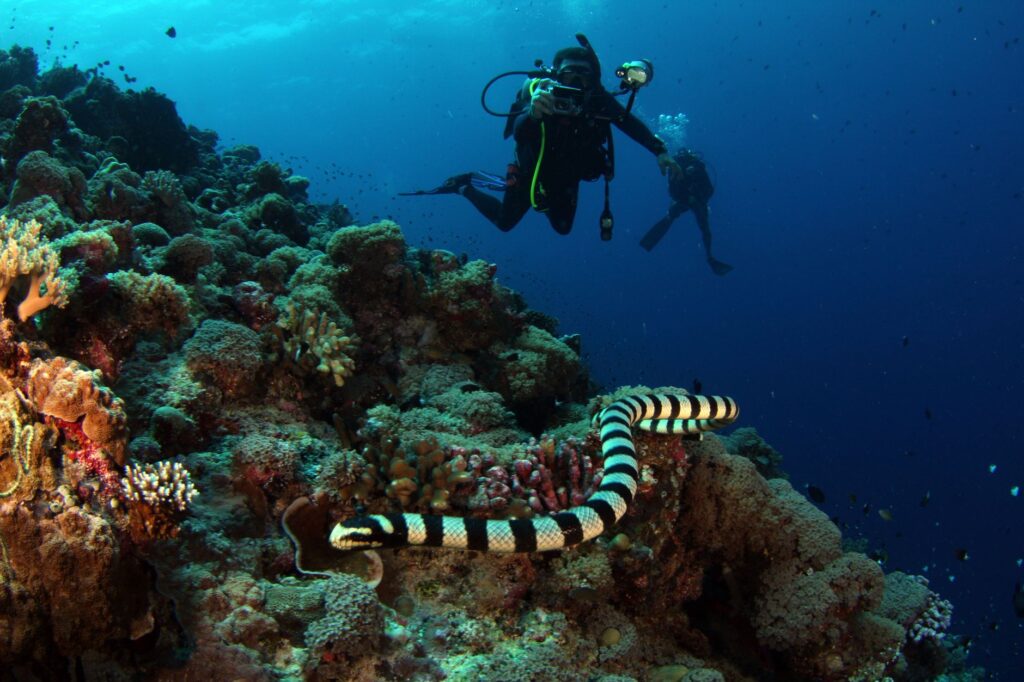

A night watchman in the Indian state of Odisha found himself in a life-threatening situation after being bitten by a highly venomous common krait while on duty. Demonstrating extreme presence of mind amidst panic, the individual captured the reptile, placed it inside a plastic polythene bag, and embarked on a bicycle journey to seek medical attention.
Understanding the Importance of Medical Identification
In cases of venomous snakebites, medical professionals often emphasize the importance of identifying the specific species responsible for the injury. Antivenom administration relies heavily on knowing whether the bite came from an elapid, viper, or another family of snakes, as specific treatments neutralize specific toxins.
Instead of abandoning the creature in the dark, the watchman secured the snake. By bringing the reptile along to the medical facility, he ensured that attending physicians would instantly recognize the exact neurotoxic threat they were dealing with, potentially accelerating the diagnostic process during a critical golden hour.
The Perils of the Common Krait
The common krait is widely recognized as one of the most dangerous venomous snakes inhabiting the Indian subcontinent. Its venom contains potent neurotoxins that attack the nervous system, leading to progressive paralysis and respiratory failure if left untreated.
What makes krait bites particularly insidious is that the bite itself is often painless and leaves barely noticeable marks. Victims frequently do not realize they have been envenomated until systemic symptoms begin to manifest hours later, making rapid intervention vital for survival.
An Arduous Journey for Survival
Despite the creeping effects of the neurotoxin entering his bloodstream, the watchman managed to mount his bicycle. Pedaling through the darkness, he focused entirely on reaching the nearest healthcare facility to save his own life.
The physical exertion of cycling likely accelerated the circulation of his blood, which may have inadvertently helped the venom spread more rapidly through his system. However, driven by survival instinct, he pushed forward until he finally arrived at the hospital doors.
Current Medical Status and Prognosis
Upon arrival at the medical center, healthcare personnel were immediately startled to discover the live snake contained within the bag. Medical staff quickly transferred the patient to an intensive care unit to begin emergency treatment and administer the necessary antivenom.
Authorities at the hospital confirmed that the patient remains in critical condition. Doctors are closely monitoring his neurological and respiratory functions as they work tirelessly to counteract the effects of the potent krait venom.
Broader Public Health Implications
Snakebite incidents remain a significant public health concern in rural and semi-urban regions across South Asia, particularly during monsoon seasons when snakes are frequently displaced from their natural burrows.
Experts continuously urge residents in vulnerable areas to exercise caution, use adequate lighting at night, and seek immediate professional medical assistance rather than relying on traditional remedies when a snakebite occurs. The Odisha incident highlights both the harrowing realities of wildlife encounters and the remarkable endurance of individuals facing extreme medical emergencies.