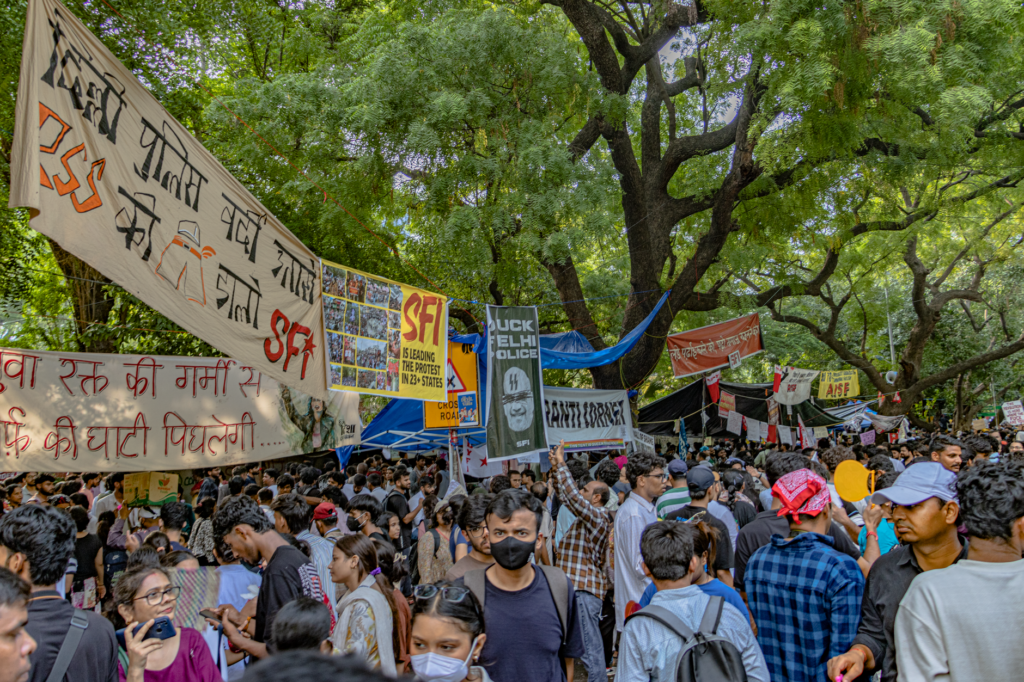

Background of the Protests
The ongoing social unrest surrounding reservation benefits has reached a critical juncture. Activists and community members have been mobilizing extensively to demand formal recognition and designated quota allocations for their demographic group. These demonstrations have steadily gained momentum across various regions, drawing widespread public attention and increasing pressure on administrative authorities to address long-standing socioeconomic concerns.
Escalation of the Hunger Strike
The situation took a dramatic turn as the ongoing hunger strike entered its eighth consecutive day. The leading proponent of the movement has significantly escalated his position by declining both water consumption and professional medical intervention. Supporters and onlookers remain deeply concerned as his physical condition continues to deteriorate without essential hydration and clinical monitoring.
Demands and Government Response
At the core of the demonstration is the persistent demand for equitable reservation policies that guarantee educational and employment opportunities. Community representatives argue that previous assurances have not materialized into concrete legislative actions. Meanwhile, state officials are facing mounting pressure to initiate constructive dialogue and find a viable resolution to prevent further complications arising from the prolonged fasting protest.
Public Appeal and Future Outlook
As the standoff continues, community leaders have issued appeals for calm while urging authorities to expedite the decision-making process. The health status of the primary activist remains a central focus for both his followers and government negotiators, who are racing against time to reach an acceptable compromise and restore stability to the region.