
Introduction to the Celebrations
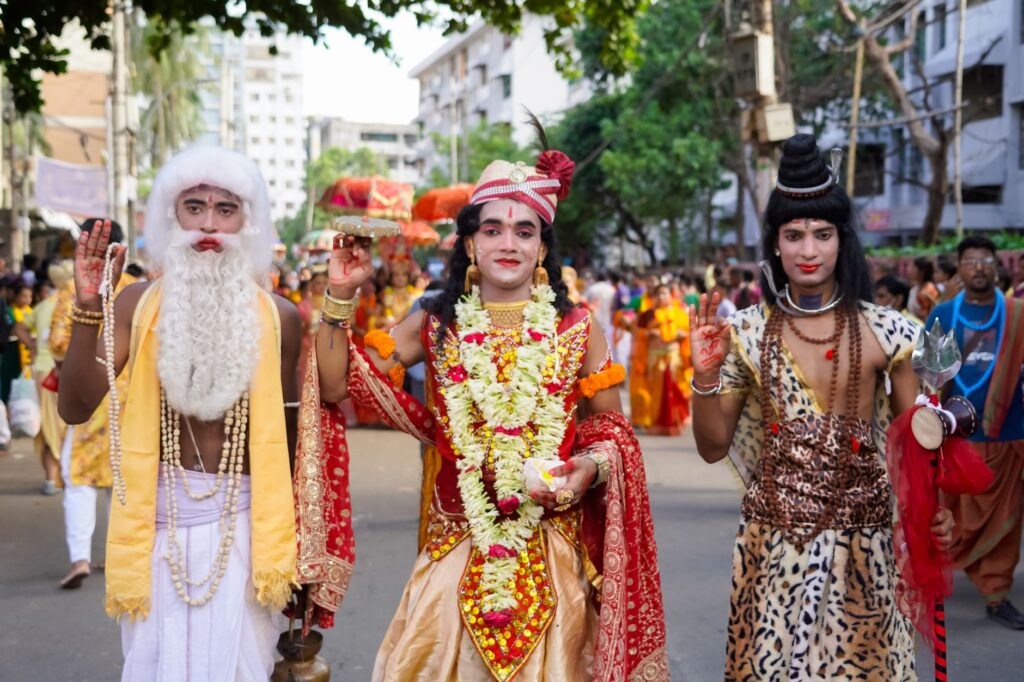
The annual Janmashtami festival remains a major highlight on the cultural and spiritual calendar. Devotees and art enthusiasts gather at various holy locations to mark the birth of Lord Krishna through prayer, music, and dance. Each year, communities strive to incorporate traditional art forms that reflect the profound themes associated with spiritual devotion.
Divya Krishna Presentation
At the ISKCON Dwarka programme, a special presentation titled Divya Krishna added a refined classical dimension to the festivities. This artistic contribution brought together traditional storytelling and rhythmic movement. The performance served as a visual exploration of various moments and facets from the life of Krishna, captivating the audience present at the venue.
Role of Classical Dance
Classical dance has long been intertwined with spiritual celebrations in India. Through intricate footwork, expressive facial gestures, and fluid body movements, artists convey timeless narratives. The integration of these traditional forms into modern festival programs helps preserve cultural heritage while offering attendees a deeper emotional connection to the spiritual milestones being honored.
Kathak Exploration of Krishna
During the event, dancer Yasmin Singh presented a Kathak performance that focused on the multifaceted personality of Krishna. Kathak, known for its dynamic spins, subtle storytelling, and rhythmic grace, provided an ideal medium to depict the divine episodes. The presentation highlighted different phases of the central figure’s life, resonating deeply with those gathered to observe the sacred occasion.
Conclusion
Cultural offerings such as the Divya Krishna showcase continue to enrich large-scale spiritual gatherings. By blending devotional observance with accomplished classical artistry, events held at centers like ISKCON Dwarka offer a memorable experience for the community, ensuring that traditional performance arts remain vibrant during major festivals.