
A Sacred Union in Southern Mexico
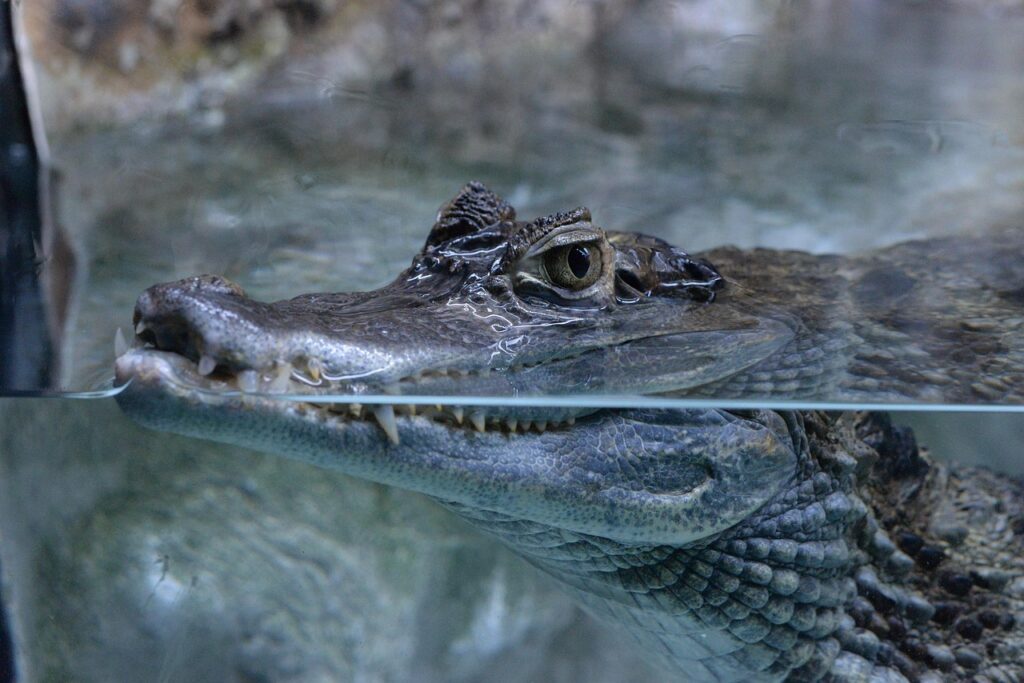
In a centuries-old tradition that blends indigenous mysticism with Catholic influence, Mayor Victor Hugo Sosa of San Pedro Huamelula, Oaxaca, married a female caiman—a small crocodilian—on June 30, 2023. The ceremony, which serves as a symbolic union between the local Chontal people and the natural world, aims to secure a bountiful harvest and successful fishing season for the coastal community.
The Historical Context of the Ritual
The practice dates back to at least the 18th century, representing a spiritual contract between the town and the environment. Local lore identifies the caiman, affectionately known as the ‘Princess,’ as a deity representing Mother Earth.
By ‘marrying’ the reptile, the mayor symbolically binds the community to the prosperity of the land and the sea. The event is a cornerstone of regional identity, reflecting the syncretism of pre-Hispanic beliefs and Spanish colonial traditions that define the Oaxacan coast.
The Ceremony and Its Significance
During the event, the caiman is dressed in a traditional white wedding gown, a huipil, and a colorful headpiece. To ensure the safety of the participants, the reptile’s snout is securely bound throughout the public festivities.
The ritual involves processions through the streets, accompanied by traditional music and dancing. Local residents treat the caiman as a revered guest of honor, reflecting a deep-seated belief that the animal’s comfort and status directly correlate with the community’s future success.
Expert Perspectives on Cultural Preservation
Anthropologists suggest that while the ritual may appear eccentric to outsiders, it serves a vital social function. Dr. Elena Rodriguez, a cultural historian specializing in Oaxacan traditions, notes that such ceremonies reinforce communal bonds and ecological stewardship.
‘These rituals are not merely folklore; they are active expressions of a community’s relationship with their ecosystem,’ Rodriguez explains. ‘By formalizing this relationship through marriage, the Chontal people acknowledge their reliance on the natural world for survival.’
Data from local agricultural boards indicates that the region remains heavily dependent on subsistence fishing and small-scale farming. While modern technology has shifted agricultural practices, the cultural weight of the ritual remains undiminished in the eyes of the local populace.
Implications for Future Traditions
The persistence of the caiman wedding highlights a growing global trend of communities seeking to maintain unique cultural identities in an increasingly homogenized world. As tourism begins to play a larger role in San Pedro Huamelula’s economy, the challenge will be balancing the preservation of sacred rites with the demands of international attention.
Observers should watch for how the town manages the intersection of traditional spiritual practices and the rising influx of global visitors. The long-term viability of the ritual may depend on the community’s ability to protect the sanctity of the event while navigating the pressures of the digital age.