
Introduction to the Repatriation Decision
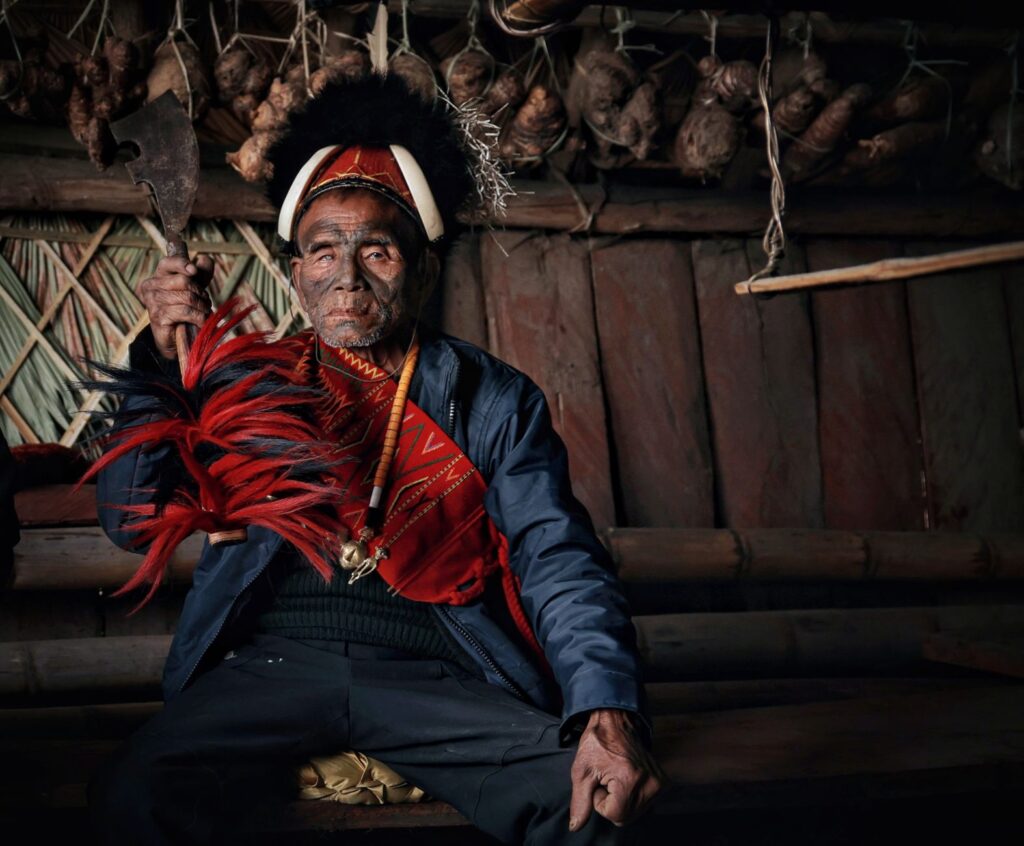
Institutions around the world holding historical artifacts and human remains acquired during periods of imperial rule face increasing pressure to return them to their places of origin. A significant development has emerged regarding cultural heritage and historical accountability involving the United Kingdom and communities in Northeast India. The University of Oxford has officially agreed to return thirty-nine human remains belonging to the Naga community. These remains were removed from their homeland during the colonial era and have remained stored within British collections for decades.
The Role of the Pitt Rivers Museum
The ancestral remains in question are currently held by the Pitt Rivers Museum, an institution renowned for housing extensive anthropological and archaeological collections. Within its vast holdings, the museum maintains one of the largest assemblies of Naga material culture anywhere in the world. While these collections have long served academic and research purposes, the presence of human remains taken without modern ethical consent has been a subject of ongoing concern and dialogue regarding historical justice and indigenous rights.
Historical Context of the Colonial Era
During the period of British colonial administration in the region, various objects, cultural items, and human remains were collected under circumstances shaped by imperial power dynamics. These acquisitions often occurred without the free and informed consent of the indigenous populations. For generations, the descendants of those whose remains were taken have advocated for their return so that proper funerary rites and cultural closures can finally take place in their native land.
Next Steps and Global Implications
With the agreement by the University of Oxford to facilitate the repatriation of these thirty-nine ancestral remains, a pathway opens for their eventual return to the Naga community. This decision marks a notable milestone in the broader global movement concerning the ethical stewardship of museum collections and the repatriation of indigenous remains. As institutions continue to review their holdings, actions such as this highlight the evolving standards of respect, heritage preservation, and historical reconciliation between former colonial powers and indigenous communities.