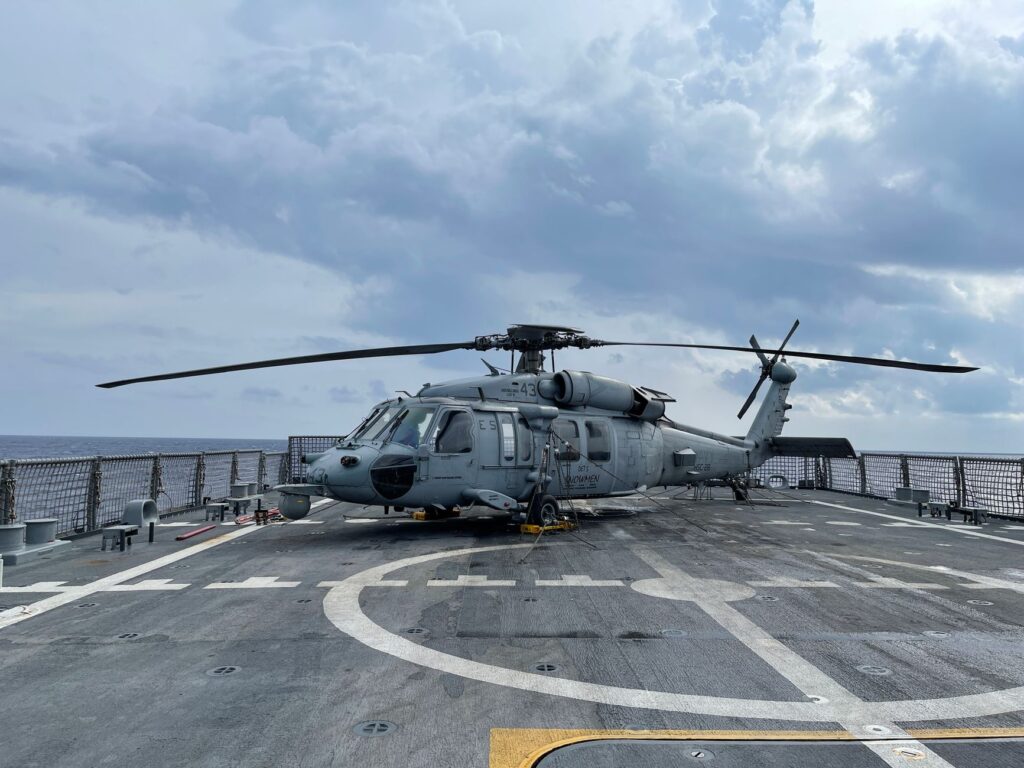

Naval forces around the world continuously conduct large-scale drills to evaluate their combat preparedness and strategic capabilities. These military exercises serve as vital assessments for defending national waters and projecting maritime strength. However, these displays of tactical readiness often prompt important questions regarding the safety and security of ordinary citizens who earn their livelihoods on the high seas.
Assessing Naval Combat Preparedness
Military drills are designed to test communication systems, tactical maneuvers, and response times under simulated combat scenarios. Defense planners rely on these evaluations to identify operational gaps and enhance overall naval efficiency. While projecting power and deterring potential adversaries remain central objectives of these maneuvers, maintaining an optimal level of defense capability is essential for any sovereign state.
Nevertheless, the true test of a comprehensive maritime strategy extends beyond traditional warfare simulation. It encompasses the safety of commercial shipping lanes and the protection of civilian personnel operating in volatile international waters.
Tragedy Highlights Maritime Vulnerabilities
The harsh reality of maritime dangers was recently underscored by a violent incident in the region. According to reports from Yemeni authorities, an attack on the vessel Tihamah resulted in the tragic loss of six lives. Among the victims were three Pakistani crew members, one Indonesian crew member, and two local rescuers who attempted to save those onboard.
This devastating event brings into sharp focus the severe risks faced by civilian mariners. While naval fleets engage in routine exercises to sharpen their combat readiness, civilian sailors remain vulnerable to regional conflicts and sudden security threats while performing daily commercial duties.
The Responsibility of Citizen Protection
When citizens working abroad or on international shipping routes face mortal danger, questions naturally arise concerning governmental oversight and protective measures. Ensuring the safety of sailors requires robust diplomatic engagement, intelligence sharing, and timely emergency responses.
Maritime security frameworks must account for the safety of merchant mariners just as meticulously as they plan for strategic naval engagements. Balancing high-level defense exercises with practical, boots-on-the-ground protection for civilian workers is a complex challenge that maritime nations must continuously address.
Moving Forward in Maritime Security
As geopolitical tensions continue to affect vital trade routes, the intersection of military preparedness and civilian protection demands careful policy reevaluation. Strengthening communication channels between defense authorities and commercial shipping operators can help mitigate unforeseen risks.
Ultimately, evaluating war readiness is only one component of a successful maritime policy. Protecting the lives of citizens who navigate treacherous waters must remain a paramount priority for authorities, ensuring that national defense and humanitarian duty go hand in hand.