
The Catalyst for Change
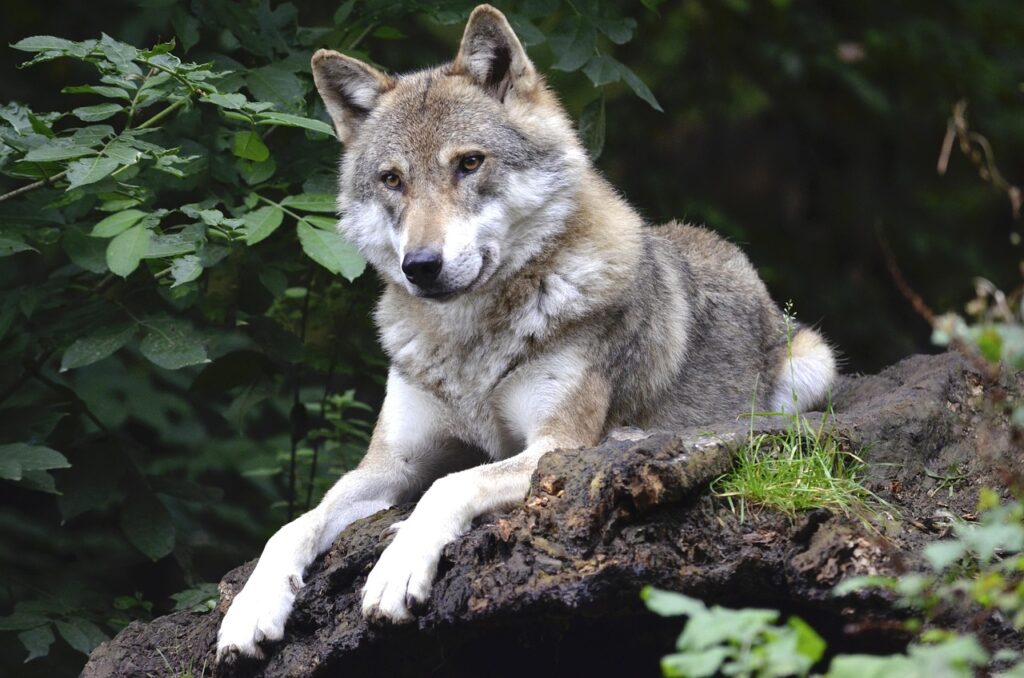
In 1924, the death of the last known wild wolf in Yellowstone National Park marked the end of an era of predator eradication, fundamentally altering the trajectory of American ecological policy. This event, occurring during a period of aggressive government-led extermination, served as a grim turning point that eventually catalyzed the modern rewilding movement and the widespread adoption of the Endangered Species Act decades later.
A Legacy of Eradication
Throughout the early 20th century, the United States government pursued a systematic campaign to remove apex predators from public lands. Influenced by ranchers and a prevailing frontier mindset, the U.S. Biological Survey actively hunted wolves, cougars, and grizzly bears to protect livestock and game species. This policy viewed wilderness through a utilitarian lens, prioritizing human economic interests over the stability of complex food webs.
The Ecological Void
The absence of wolves triggered a massive trophic cascade that reshaped the landscapes of the American West. Without their primary predator, elk populations surged, leading to the overgrazing of riparian vegetation, the decline of songbird habitats, and the destabilization of riverbanks. Scientists eventually realized that the removal of a single keystone species could unravel the structural integrity of an entire ecosystem.
Data-Driven Shifts in Management
Decades of observation following the 1924 extinction provided researchers with a natural experiment regarding the necessity of predators. A landmark 1995 study by the National Park Service confirmed that the lack of top-down regulation caused significant biodiversity loss in Yellowstone. This data provided the necessary political leverage to reintroduce wolves to the park, a controversial but ultimately successful endeavor that restored the ecological balance.
The Shift in Ethical Frameworks
Conservationists point to this era as the moment when environmental ethics pivoted from exploitation to stewardship. Aldo Leopold, a pioneer in wildlife management, famously used the death of a wolf to articulate the concept of the “land ethic.” He argued that humans must perceive themselves as members of a biotic community rather than its conquerors, a philosophy that now underpins global biodiversity conservation.
Industry and Future Implications
The ripple effects of this historical shift continue to influence modern land management and corporate sustainability mandates. Industries operating on public lands now face stricter environmental impact assessments, and the concept of ‘trophic rewilding’ is increasingly integrated into climate change mitigation strategies. As global biodiversity faces unprecedented threats, the lesson of the 1920s serves as a cautionary tale: the removal of a single species is rarely a localized event, but rather a disruption that echoes for generations. Observers should monitor the current push for reintroducing predators in European and Asian landscapes, as these efforts face similar socio-political resistance that mirrors the American conflict of a century ago.