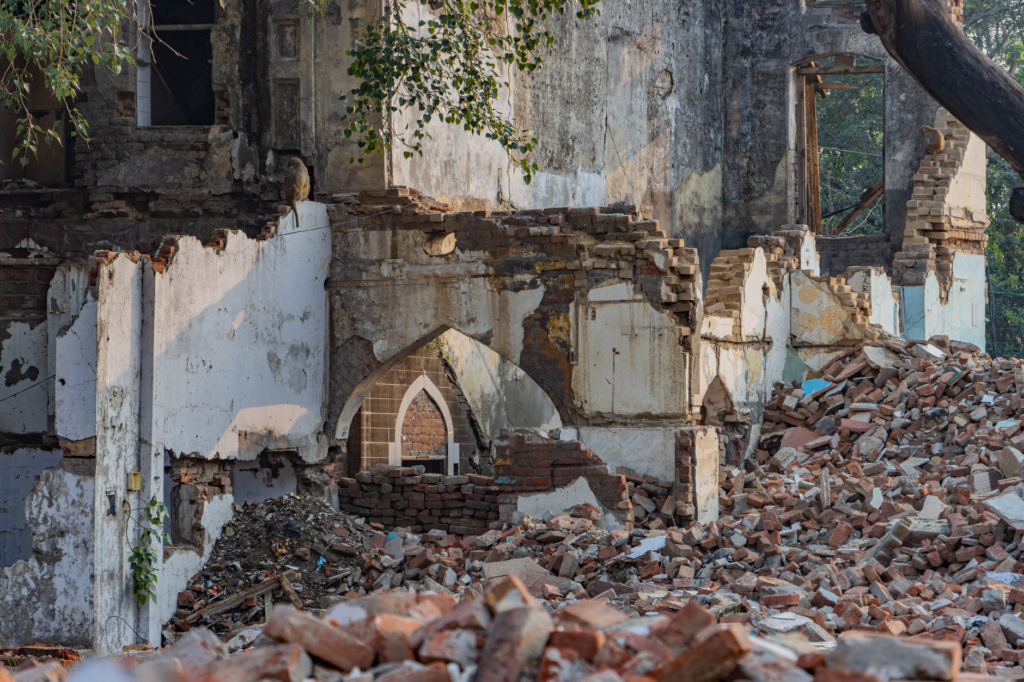

Political tensions have risen sharply in Uttar Pradesh following recent events in Saharanpur, where a local mosque was subjected to demolition. The controversial action has drawn severe backlash from prominent political opposition leaders, igniting a broader conversation about religious tolerance, governance, and the true meaning of cultural and spiritual identity in modern India.
Akhilesh Yadav Speaks Out
Samajwadi Party Chief Akhilesh Yadav has voiced strong condemnation against the state administration led by Chief Minister Yogi Adityanath. Making his stance clear, Yadav publicly stated that individuals who authorize the destruction of religious structures or undermine the deeply held beliefs of fellow citizens cannot claim to follow the principles of Sanatan Dharma. His remarks highlight a growing ideological clash over how governance and religious heritage intersect in the state.
The Saharanpur Incident
The controversy stems from the dismantling of a mosque located in the Saharanpur district. Local authorities have faced intense scrutiny regarding the legal and procedural justifications behind the action. Critics argue that targeting places of worship fosters social friction and deepens communal divisions, while administration officials maintain their standard positions regarding urban planning and encroachment regulations.
Questions of Faith and Governance
In his critique, the opposition leader emphasized that genuine spiritual traditions teach compassion, respect, and coexistence rather than hostility toward the sacred spaces of other communities. By questioning the ideological alignment of the current administration with traditional spiritual values, the political discourse has shifted toward a debate on secularism and state neutrality.
Broader Political Repercussions
The demolition event is expected to cast a long shadow over upcoming political alignments and debates within the state assembly. As minority communities express deep concern over the safety of their religious heritage, opposition parties are positioning themselves as defenders of constitutional rights and religious harmony. The incident serves as another flashpoint in the ongoing friction between the ruling party and its detractors in Uttar Pradesh.