
Diplomatic Standoff Over Water Rights and Regional Security
The Indian Ministry of External Affairs (MEA) asserted its consistent adherence to the Indus Waters Treaty on Friday, responding to recent warnings from Pakistan regarding water-sharing protocols. This diplomatic friction occurs against a backdrop of escalating regional tensions, marked by India’s vocal condemnation of Pakistan’s alleged support for cross-border terrorism and its criticism of recent Pakistani airstrikes within Afghan territory that resulted in significant civilian casualties.
Context of the Indus Waters Treaty
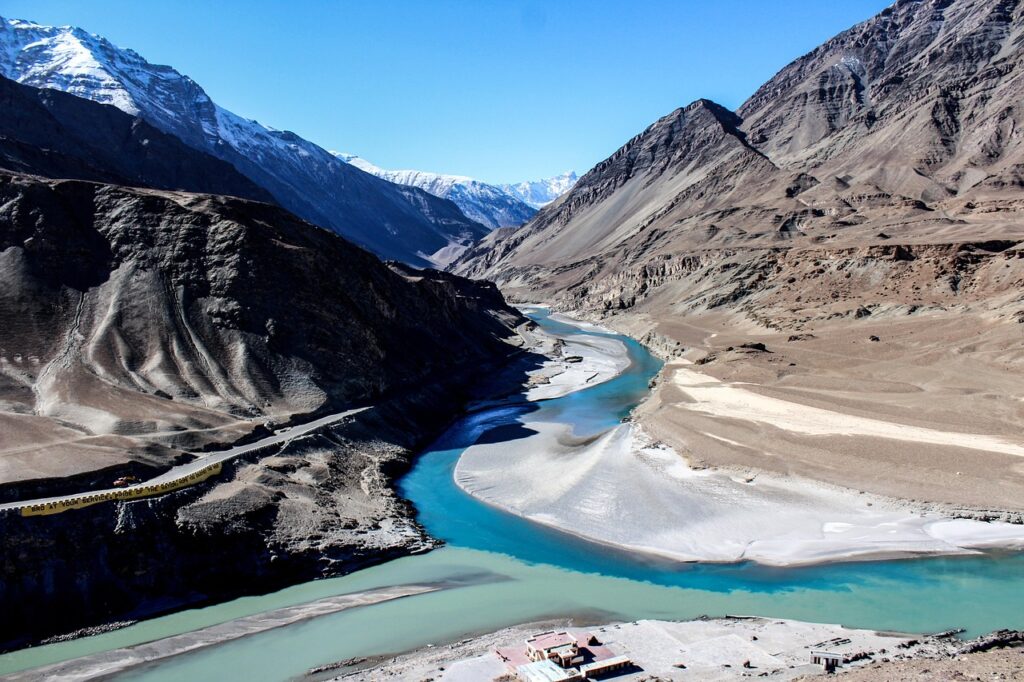
The Indus Waters Treaty, brokered by the World Bank in 1960, governs the distribution of water from the Indus River system between India and Pakistan. It has long been considered one of the most durable water-sharing agreements in history, surviving multiple wars and decades of geopolitical hostility. The treaty allocates the waters of the three western rivers—the Indus, Jhelum, and Chenab—primarily to Pakistan, while granting India rights to the eastern rivers—the Ravi, Beas, and Sutlej.
Recent disputes have arisen over India’s hydroelectric power projects on the Kishanganga and Ratle rivers. Pakistan has frequently expressed concerns that these projects infringe upon the treaty’s provisions, leading to stalled negotiations and calls for neutral expert intervention or arbitration.
India’s Stance on Regional Stability
During the Friday briefing, MEA spokesperson Randhir Jaiswal emphasized that India remains committed to the treaty while simultaneously holding Pakistan accountable for its regional conduct. New Delhi’s rejection of Islamabad’s warnings regarding the treaty is framed as a defense of its right to development within the established legal framework.
Beyond water disputes, India has taken a firm stance on the humanitarian crisis unfolding at the Pakistan-Afghanistan border. By condemning the recent airstrikes that killed women and children, India is positioning itself as a regional stakeholder concerned with stability, contrasting its own security policies with those of Islamabad.
Expert Perspectives and Geopolitical Implications
Strategic analysts suggest that the water issue is increasingly being weaponized as a tool of political leverage. Dr. Arindam Mukherjee, a regional security fellow, notes that “the Indus Waters Treaty is no longer just a technical water-sharing document; it has become a central theater for the broader India-Pakistan power struggle.”
Data from the World Bank indicates that while the treaty has successfully prevented water-related conflicts for over 60 years, the current climate of mutual distrust complicates routine administrative upgrades. The refusal of either side to compromise on technical specifications for dam construction suggests that legal arbitration may become the primary mode of engagement moving forward.
Looking Ahead
Observers are monitoring the next round of Indus Commission meetings to determine if administrative cooperation can survive the current diplomatic chill. The international community, particularly the World Bank, remains a critical mediator, yet the efficacy of this mediation depends on the willingness of both nations to decouple water management from their broader security grievances. Future developments will likely depend on whether India continues its policy of ‘development-first’ regarding its hydroelectric infrastructure, and how Pakistan chooses to escalate or de-escalate its diplomatic rhetoric in response.