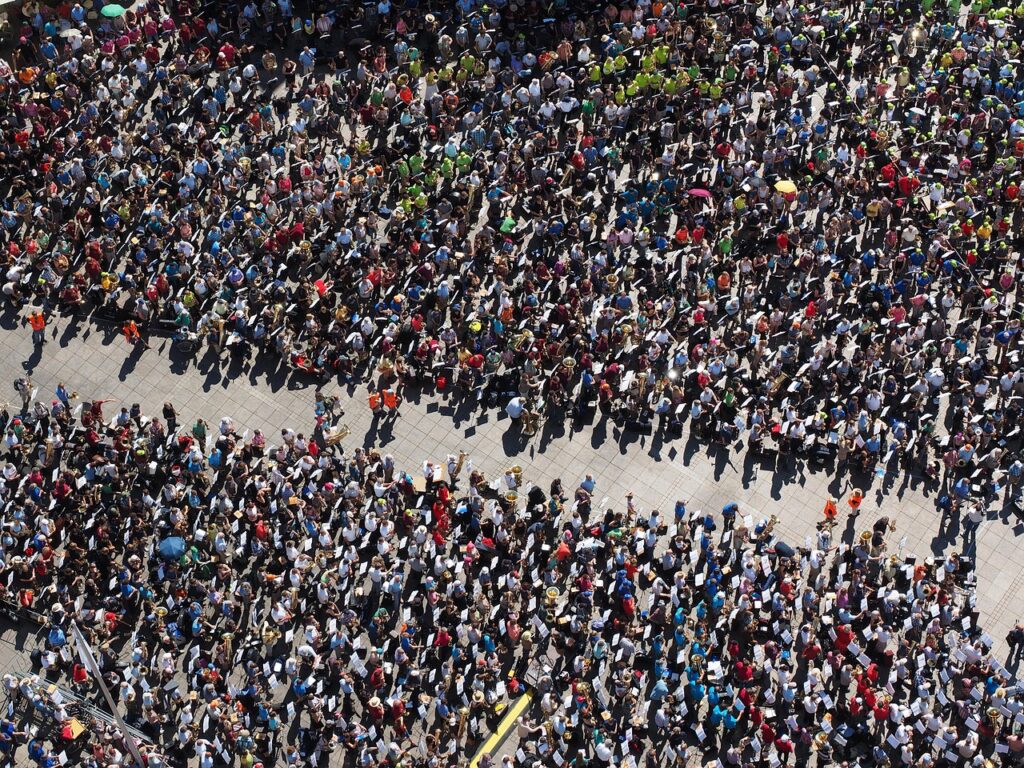

As the United States approaches its 250th anniversary, cities across the nation are preparing for historic celebrations while grappling with a severe, record-breaking heatwave that is testing public safety infrastructure. From coastal beaches to inland municipal squares, officials are balancing the logistical demands of large-scale patriotic gatherings with extreme heat warnings that threaten to keep millions indoors during the milestone festivities.
The Intersection of History and Climate
The upcoming semiquincentennial marks a quarter-millennium since the signing of the Declaration of Independence in 1776. While the anniversary serves as a focal point for national reflection, the current environmental climate has introduced an unprecedented variable into traditional public events.
Meteorologists from the National Weather Service report that heat domes have become increasingly persistent during summer months. This trend has forced city planners to reconsider traditional outdoor programming, such as parades and daytime fireworks, in favor of climate-controlled environments or shifted schedules.
Navigating Political and Environmental Challenges
Beyond the physical threat of record-breaking temperatures, the 250th anniversary occurs during a period of documented political polarization. Observers note that while Independence Day typically fosters a sense of unity, recent public discourse has seen a divergence in how different demographics choose to commemorate the nation’s founding.
Sociologists suggest that the tension between celebrating national identity and addressing contemporary social grievances is likely to manifest in public demonstrations. Law enforcement agencies are currently coordinating security measures to manage both large crowds and potential protests, aiming to preserve public safety without infringing on freedom of expression.
Economic and Safety Implications
The economic impact of these celebrations is significant, as local businesses rely on the influx of holiday tourism. However, heat-related health risks are prompting a shift in consumer behavior, with many families opting to avoid outdoor venues entirely.
Data from the Centers for Disease Control and Prevention indicates that heat-related illnesses rise sharply during holiday weekends with extreme temperatures. Consequently, municipal health departments have launched aggressive public awareness campaigns to encourage hydration and the use of ‘cooling centers’ in urban areas.
Looking Toward the Future
As the nation looks toward the official 250th anniversary, the integration of climate resilience into large-scale public events will likely become a permanent fixture of urban planning. Future celebrations may rely more heavily on digital experiences and decentralized local gatherings rather than massive, centralized events that are highly susceptible to extreme weather disruptions.
Observers will be watching how federal and state agencies coordinate to mitigate the dual pressures of environmental instability and domestic social tensions. The success of these upcoming events will serve as a bellwether for how the United States manages the logistical challenges of a changing climate while maintaining its tradition of large-scale public celebration.