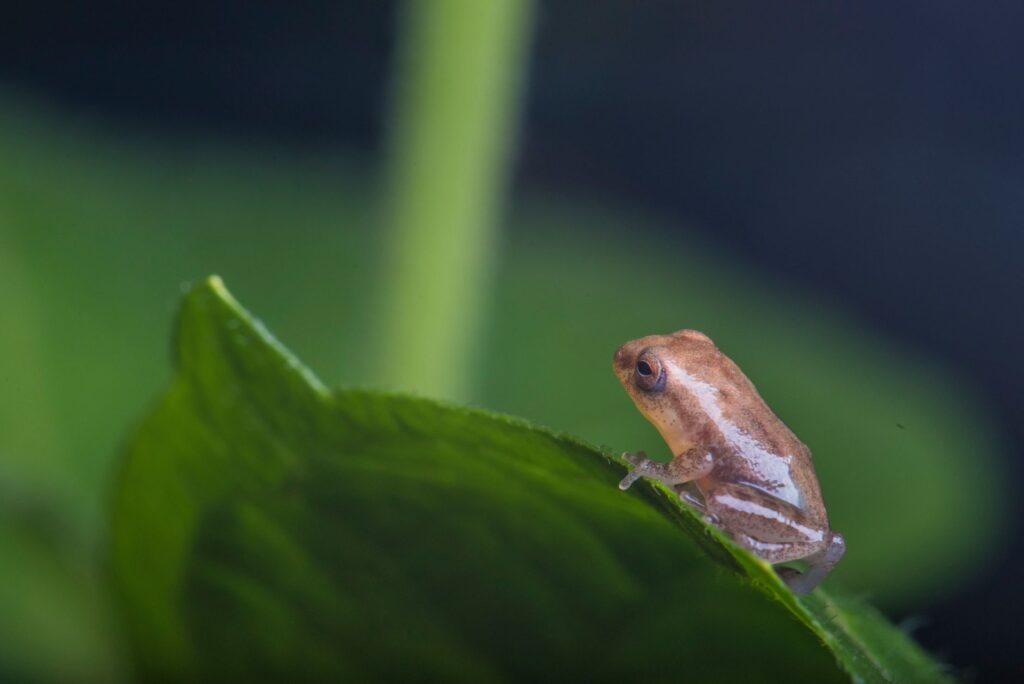

A rare amphibian discovery in the state of Mizoram has significantly expanded the recognized habitat boundaries for a unique regional species. Scientific researchers working within the Dampa Tiger Reserve successfully documented the Northeast Indian Paddy Frog, scientifically identified as Micryletta aishani. This notable finding not only establishes a broader geographic distribution for the tiny creature but also offers the very first documented details regarding its natural diet.
Geographical Range Expansion and Discovery Location
A collaborative team of academic and medical researchers representing Mizoram University and the Mizoram State Cancer Institute made the discovery during field surveys. The team located and documented an adult male specimen of the species within the Teirei Forest Range. This specific location inside the protected sanctuary marks a crucial addition to the known living zones of the amphibian, proving that the species inhabits regions further than previously verified by scientific literature.
First Insights Into Diet and Feeding Habits
Beyond simply noting the presence of the amphibian in a new territory, the scientific team gathered critical biological data. The documentation marks a milestone by capturing the initial recorded evidence detailing what this particular species consumes in the wild. Observational records of this nature help biologists understand the ecological role the organism plays within its native ecosystem, contributing valuable insights to ongoing biodiversity studies in the region.
Significance for Conservation and Regional Biodiversity
Protected areas such as the Dampa Tiger Reserve continue to serve as vital sanctuaries for numerous endemic and lesser-known species. The successful recording of Micryletta aishani highlights the rich and often under-documented biological wealth contained within the forested landscapes of Northeast India. Wildlife experts emphasize that continued field research and habitat preservation are essential for uncovering, understanding, and ultimately protecting the diverse array of wildlife inhabiting these delicate tropical ecosystems.