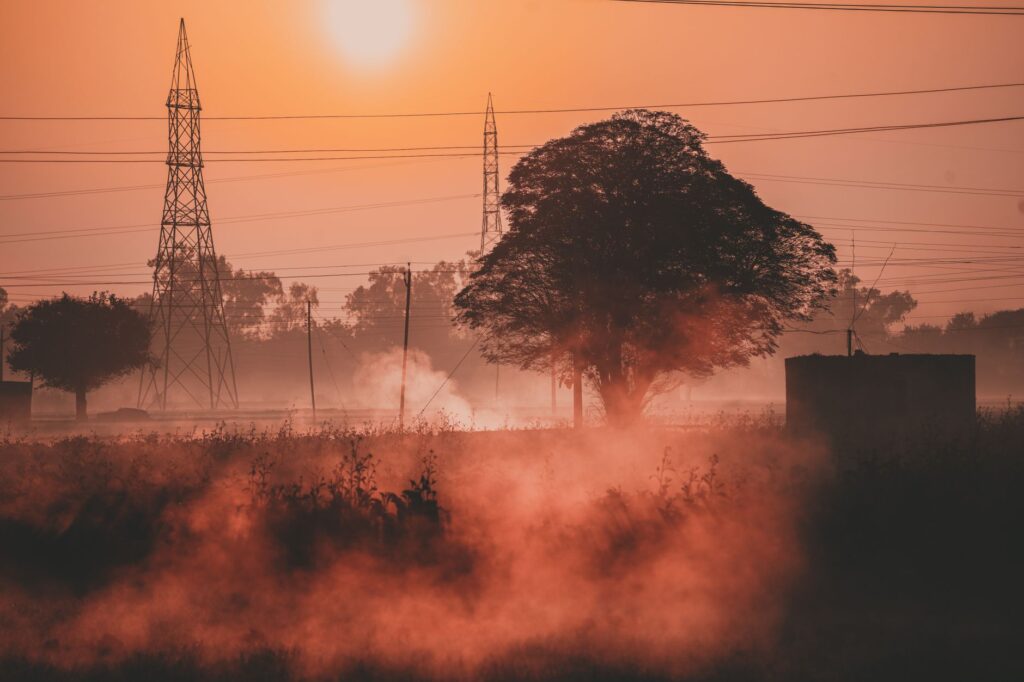

Punjab Power Crisis Overview
The northern Indian state of Punjab is currently grappling with a severe electricity crisis driven by an acute shortage of coal supplies. According to a state cabinet minister, thermal power plants are struggling to maintain normal operations as fuel inventories dwindle rapidly.
This critical shortfall in coal availability has directly impacted the state energy grid, resulting in a sudden generation drop of 1,500 megawatts. Authorities are scrambling to manage the growing deficit while trying to prevent widespread blackouts across residential and commercial sectors.
Impact on Energy Generation
The drastic reduction in electricity output has placed immense strain on the regional power infrastructure. Thermal plants, which form the backbone of the state energy supply during peak demand periods, are operating well below their maximum capacity.
Without adequate coal stockpiles, plant operators have been forced to idle units or scale back production significantly. The loss of 1,500 megawatts represents a substantial portion of the daily requirement, creating an immediate supply-demand imbalance that is difficult to bridge through alternative sources.
Government Response and Mitigation Efforts
State officials are in urgent discussions with railway and mining authorities to expedite coal shipments from supply hubs to power generation facilities. Securing priority rakes for coal transport has become the primary focus for energy administrators.
At the same time, the administration is exploring short-term power purchases from the national exchange to make up for the shortfall. However, high spot market prices and transmission constraints pose significant hurdles to this approach.
Challenges Facing Industries and Households
The ongoing electricity shortage poses a serious threat to local industries, manufacturing units, and agricultural activities that depend on a stable and continuous power supply. Production losses are already being reported in key industrial hubs.
Residential areas are also bracing for potential load-shedding measures as officials attempt to ration available electricity. Consumers have been urged to adopt energy-saving practices during peak hours to help ease the pressure on the strained grid.
Outlook for the Energy Sector
The severity of the current situation highlights the vulnerability of relying heavily on thermal generation without adequate buffer stocks. Energy experts emphasize the need for long-term supply chain resilience and greater diversification into renewable energy sources.
For now, the immediate priority remains securing sufficient fuel supplies to restore idled thermal units and stabilize the state power grid before demand surges further.