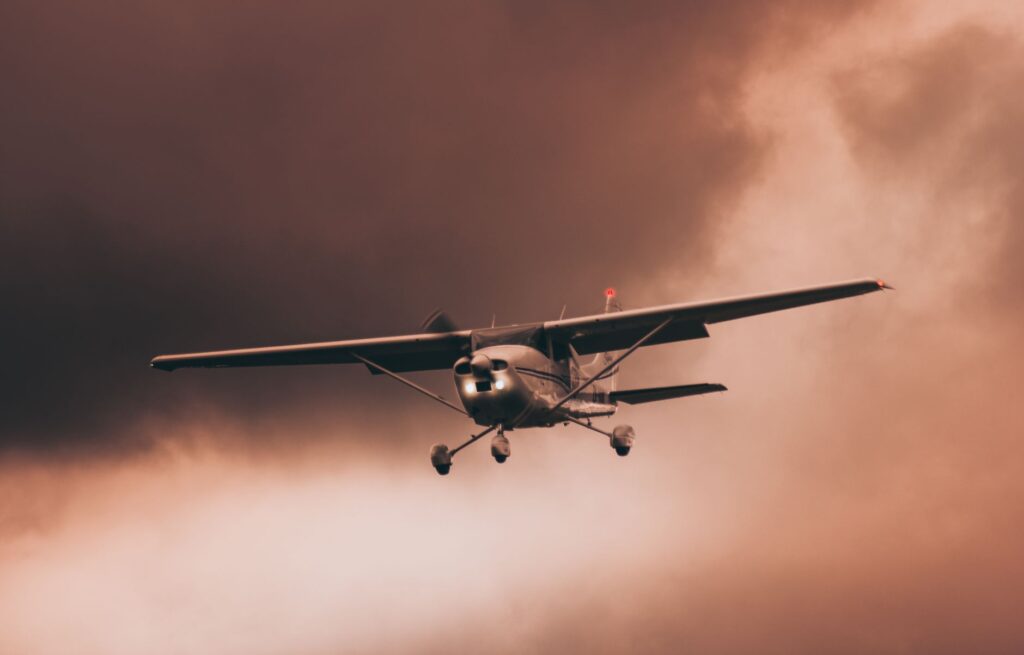

The Global Aviation Landscape is Changing
Modern air travel connects the world in unprecedented ways, allowing millions of people to traverse vast distances daily. However, the aviation industry faces a profound and growing challenge as environmental conditions shift. As global temperatures rise and weather patterns become increasingly erratic, the infrastructure and operations of commercial airlines are being put to the test.
Rising Temperatures and Flight Performance
One of the most direct impacts of a warming planet on aviation is the increase in ambient air temperatures. Hotter air is less dense than cooler air, which directly affects the lift generated by aircraft wings. When temperatures soar, airplanes require longer runways to achieve takeoff, and in some cases, they must reduce passenger numbers, cargo weight, or fuel loads to ensure safe operations.
This phenomenon often forces airlines to reschedule flights during the coolest parts of the day or temporarily ground certain aircraft types during peak heatwaves. Airports situated in traditionally hot regions or those with shorter runways are particularly vulnerable to these operational constraints, leading to cascading delays that affect schedules worldwide.
Turbulence and Stormier Skies
Beyond surface temperatures, the upper atmosphere is also experiencing significant transformations. Climate scientists note that shifting jet streams and altered thermal currents are contributing to an increase in severe weather events and atmospheric instability. Passengers are likely to encounter rougher journeys as incidents of turbulence become more frequent and intense.
Furthermore, more powerful storms mean that flight paths must be frequently altered to avoid hazardous weather systems. Diverting around massive storm cells increases fuel consumption, extends flight durations, and creates logistical bottlenecks at destination hubs. Airlines and air traffic management systems must continuously adapt their routing strategies to prioritize safety over speed.
What Travelers Should Expect
Given these evolving environmental realities, the flying public may need to adjust expectations regarding punctuality and journey predictability. The traditional model of seamless, on-time departures and arrivals is facing mounting pressure from nature. Travelers could see a rise in pre-planned schedule adjustments, longer layovers, and an increased frequency of flight diversions.
Adapting to a More Complex Future
To maintain high safety standards in the face of these challenges, aviation authorities and carriers are investing heavily in advanced meteorological forecasting and improved aircraft technology. Better weather detection tools allow pilots to anticipate turbulence and thermal anomalies well in advance, minimizing risk.
At the same time, airports are looking into runway extensions and upgraded cooling infrastructure to handle extreme heat events more effectively. While technology and engineering will mitigate some of the worst impacts, the fundamental reality remains that travelers must prepare for a more dynamic and potentially disruptive air travel experience in the years ahead.