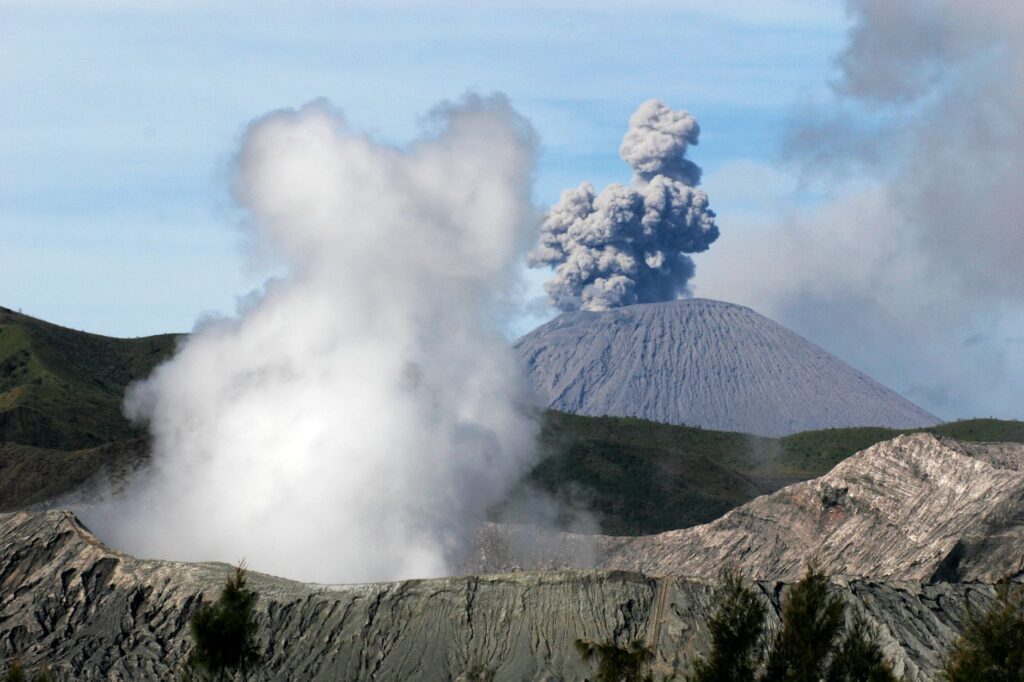

Volcanic Activity Disrupts Indonesian Aviation
Recent volcanic eruptions have severely impacted regional transportation infrastructure in Indonesia, leading to widespread disruptions at the country’s primary aviation hub near the capital city. The sudden emergence of hazardous material in the atmosphere has forced aviation authorities to take immediate precautionary measures to ensure the safety of all travelers and aircraft.
Impact on Passengers and Travel
More than 20000 passengers have been left stranded at terminals as airlines deal with the sudden operational changes. The presence of volcanic debris in the surrounding airspace represents a critical risk to jet engines, leaving aviation officials with no alternative but to halt departures and arrivals until conditions improve and safety can be verified.
Understanding the Risks of Volcanic Ash
Volcanic emissions contain microscopic rock and glass particles that pose an extreme danger to modern aircraft. When ingested into jet engines, these abrasive materials can melt at high operating temperatures and coat critical turbine components, leading to engine failure and reduced visibility for flight crews. Because of these severe mechanical hazards, standard protocol dictates a complete avoidance of any airspace contaminated by recent volcanic activity.
Response from Authorities and Ongoing Monitoring
Emergency response teams and meteorological specialists are continuously monitoring the situation and tracking the movement of the volcanic plume. Airport administrators are working alongside airline representatives to assist affected travelers with rescheduling and providing necessary updates. Officials have advised all passengers scheduled to fly through the region to check their flight status directly with their respective carriers before heading to the airport as the situation remains highly fluid.