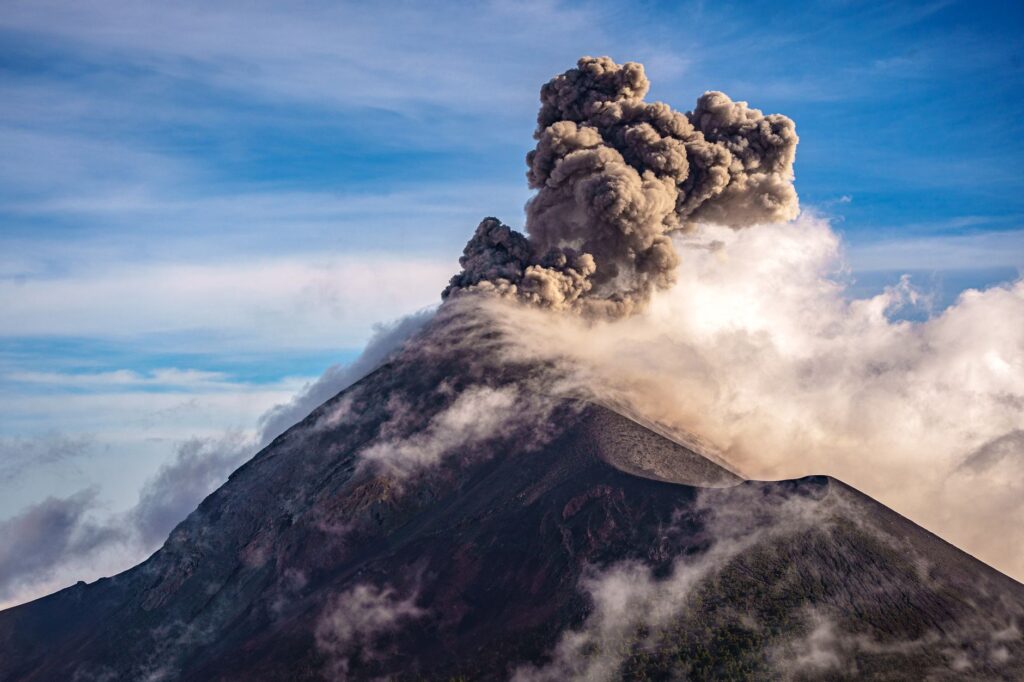

Understanding the Eruption Event
Mount Anak Krakatau, a prominent volcano situated in the Sunda Strait between the major Indonesian islands of Java and Sumatra, experienced a significant volcanic explosion. The geological event commenced late Friday and culminated in a massive release of material into the atmosphere on Sunday. This powerful seismic activity propelled a dense cloud of volcanic ash approximately 50,000 feet into the sky, creating severe hazards for regional and international airspace.
Impact on Regional Aviation
The towering plume of particulate matter posed an immediate and severe threat to aviation safety throughout the surrounding region. Volcanic ash can severely damage aircraft engines, clog fuel systems, and abrade windshields, forcing aviation authorities to take swift precautionary measures. As a direct consequence of the hazardous atmospheric conditions, flight operations across parts of Java and Sumatra faced extensive disruption. Official reports confirmed that a total of 301 flights were impacted by the sudden environmental hazard, leaving numerous travelers stranded or facing significant schedule adjustments.
Geographical Significance of the Sunda Strait Volcano
The location of the volcano in the active maritime corridor between Java and Sumatra places it near densely populated regions and vital transportation routes. The continuous monitoring of this geographical zone remains crucial for disaster management and public safety agencies. While the volcanic activity began to draw intense global attention over the weekend, authorities and aviation personnel continue to assess the evolving atmospheric conditions to ensure the safety of all transit routes across the Indonesian archipelago.